Over the years, The ASEAN has shared stories from across ASEAN Member States that show how regional cooperation cascades into national and community actions and takes shape in everyday life. Some feature beneficiaries of national and regional initiatives, while others highlight advocates, creators, and community voices whose experiences bring those actions into human focus. Collected here, these stories offer a glimpse of the impact as it is lived on the ground.
Poverty Eradication and Social Inclusion
For many beneficiaries, impact begins with something immediate: help in a moment of hardship, a chance to continue school, or access to spaces that once felt out of reach.
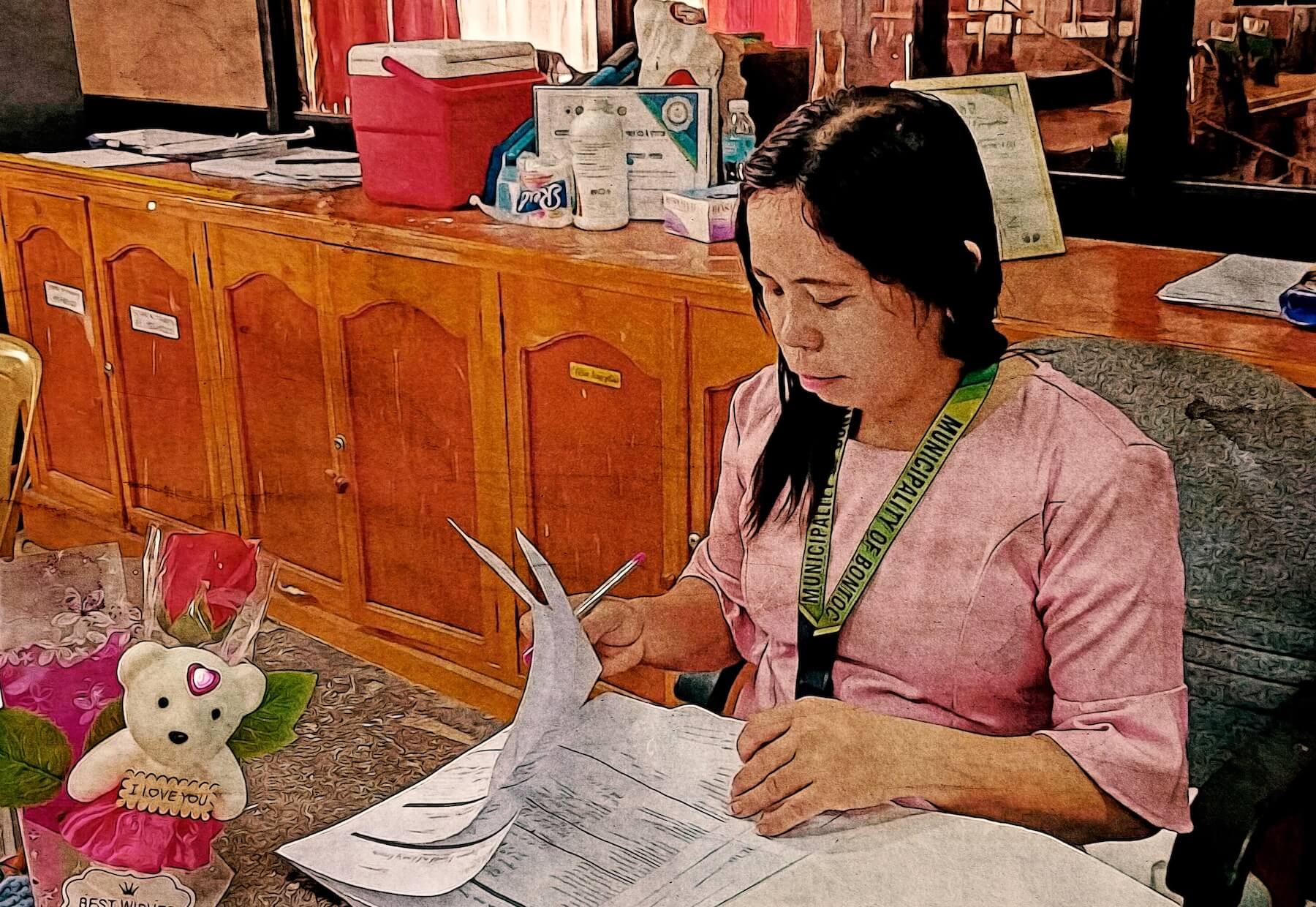
Gemma Ambuyoc, Philippines
Gemma Ambuyoc’s story shows how support can change the course of a family’s life. For her, the Pantawid Pamilya Pilipino Program, or 4Ps, was a lifeline. Introduced by the Philippine government in 2008, 4Ps is a conditional cash transfer programme that supports low-income households through health and nutrition grants, rice subsidies, and educational assistance for children under 18, while requiring parents to keep their children in school and ensure regular health check-ups.
Once burdened by severe hardship, Gemma later looked back on the programme as a turning point that “made a huge difference in our lives.” In 2017, she returned to school while selling clothes and beauty products to earn additional income. She also credited the 4Ps family development sessions with broadening her perspective and helping her see new possibilities for herself and her family.
“I became empowered and learned about my rights and responsibilities. Before, my whole world revolved around taking care of my family. But through the sessions, I learned that even though you’re a mother, your life isn’t over.” – Gemma Ambuyoc in “Breaking the Cycle of Poverty” in The ASEAN Issue 36, “Reducing Poverty, Uplifting Lives”
https://theaseanmagazine.asean.org/article/breaking-the-cycle-of-poverty/
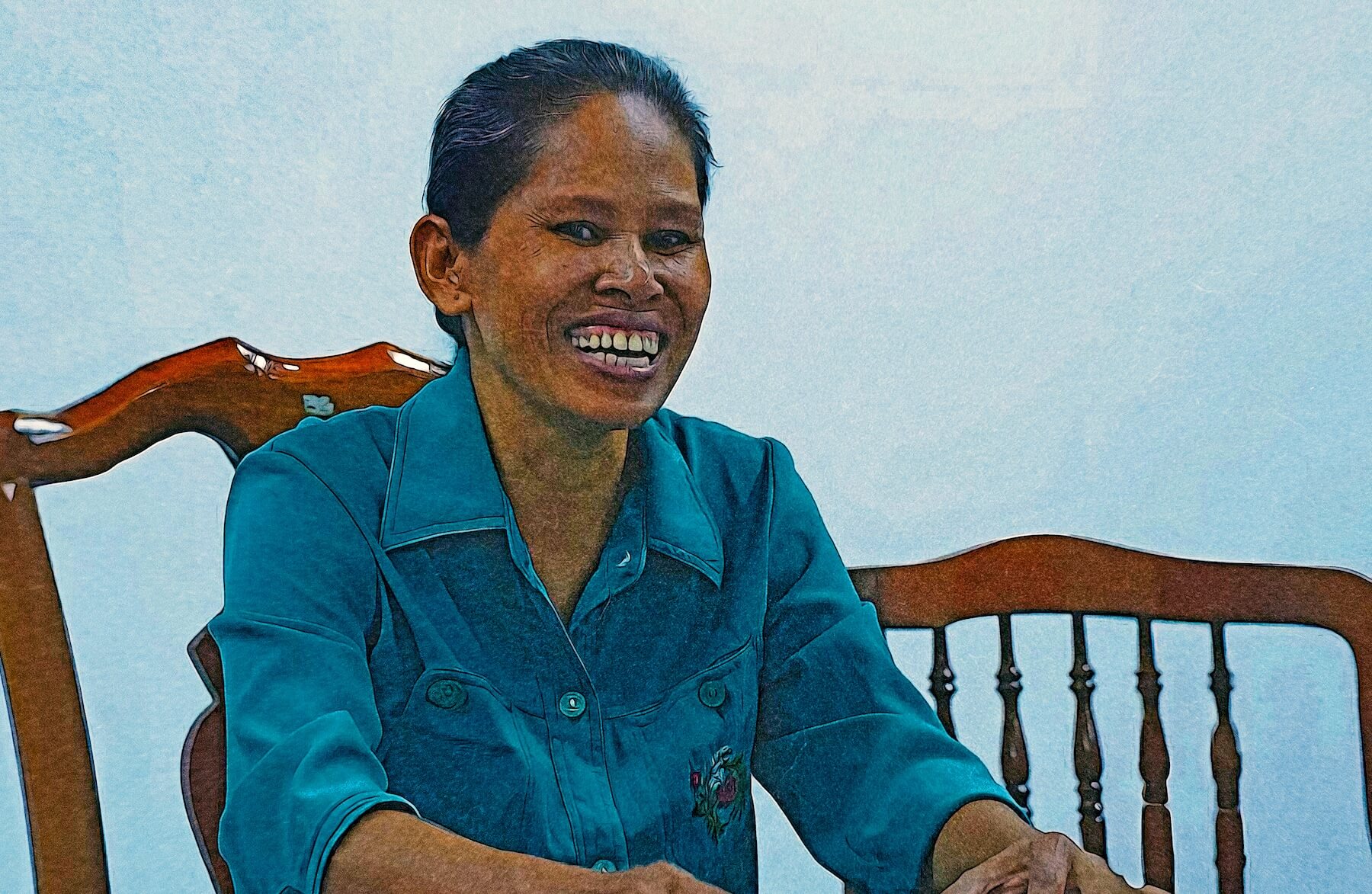
Touch Phalla, Cambodia
Touch Phalla’s life changed early. At 12, just after finishing primary school, she had to leave school and help support her family after her father abandoned them in the 1980s. In Phnom Penh, she baked traditional Khmer cakes and sold them on foot around her neighbourhood, setting aside her dream of becoming a doctor. “All I do is work to provide for my family, to provide the essentials,” she told The ASEAN.
Since 2019, she has received support through Cambodia’s Cash Transfer Programme for Poor Households. She said the assistance has helped ease her family’s burden, particularly by covering electricity costs and medicine for her mother, who has diabetes and high blood pressure. Though her earnings from the shop remain modest, the regular cash transfer has provided an important source of stability.
“My dream is to have an adequate livelihood. As women, we need to work hard, be patient, and persevere. Although I can’t pursue my dream of becoming a doctor, I hope that my niece can be one in the future.” – Touch Phalla in “Cash for Hope: A Story from Cambodia” in The ASEAN Issue 36, “Reducing Poverty, Uplifting Lives”
https://theaseanmagazine.asean.org/article/cash-for-hope-a-story-from-cambodia/
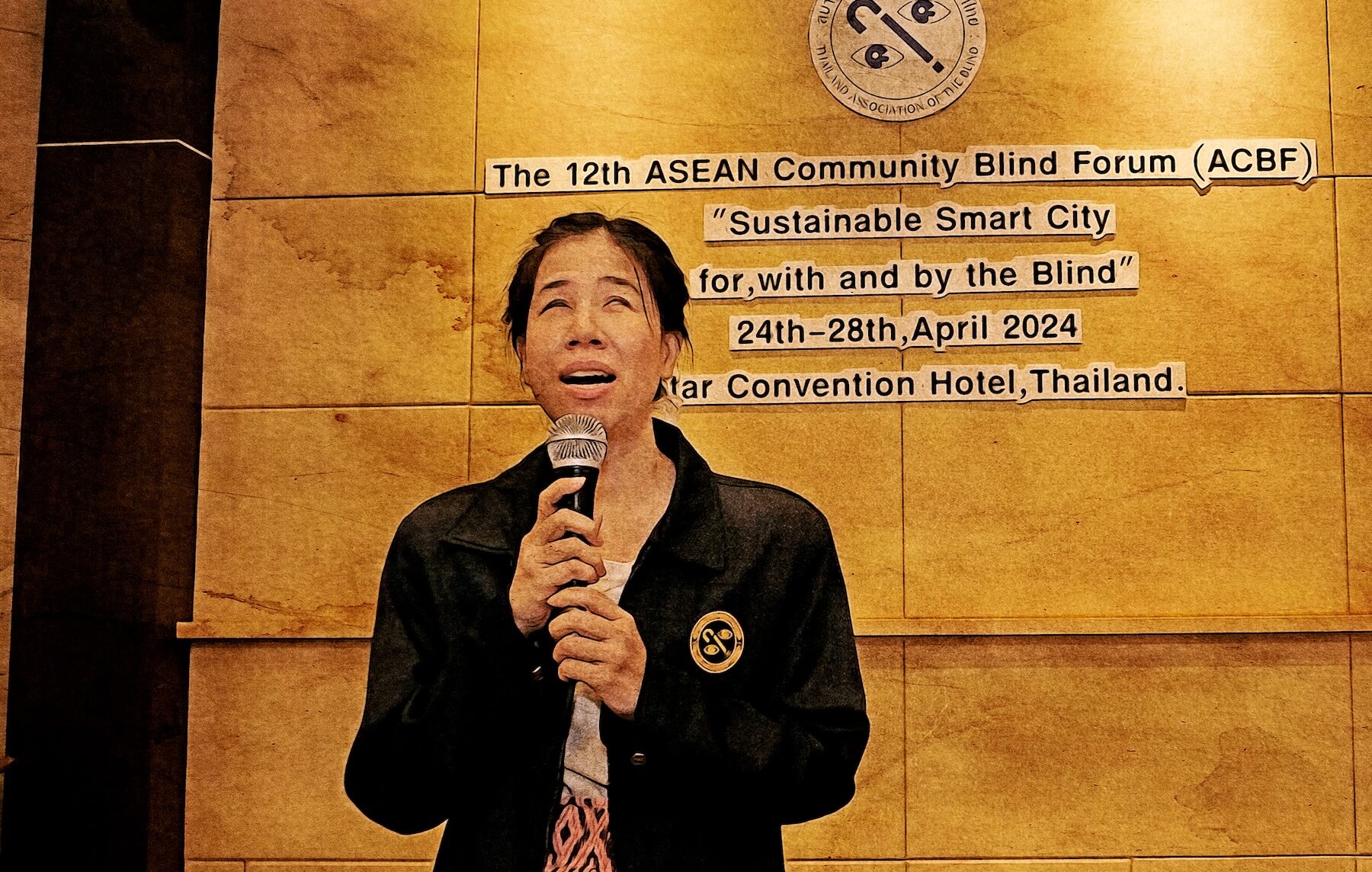
Dr. Nantanoot Suwannawut, Thailand
Dr. Nantanoot Suwannawut, known as Apple, is a member of the ASEAN Community Blind Forum. She shared with The ASEAN her journey as a person with visual impairment handling school, work, and public life. In mainstream education, she recalled, “Everything required additional effort.” Her experience moves the conversation from individual hardship to structural inclusion, showing why accessibility, representation, and participation must remain central to ASEAN’s social agenda.
“We must recognise the importance of living and working together. Supporting persons with disabilities opens opportunities for empowerment. In turn, they contribute back to society. The Sustainable Development Goals showed us the need to consider all groups. Progress requires us to move forward together, hand in hand. If one group advances while others are left behind, we must pause and reflect. Only by walking together can we achieve a truly inclusive and fully developed society.
“Let’s walk together and work to collaborate. We don’t need something special, special projects or special programmes—just to consider others in everything we do. By opening opportunities and fostering understanding, we can create a truly inclusive society. That is enough.”- Dr. Nantanoot Suwannawut from The ASEAN Community Blind Forum in “Self-Advocacy and Shaping Policy,” The ASEAN Issue 42, “Breaking Barriers: Disability Rights and Inclusion in ASEAN.”
Youth Shaping the Future
Across ASEAN, young people are not simply being prepared for the future. They are already shaping it. Through summits, dialogues, and youth-led platforms, they are building friendships, sharing ideas, and turning regional identity into a lived, meaningful reality.
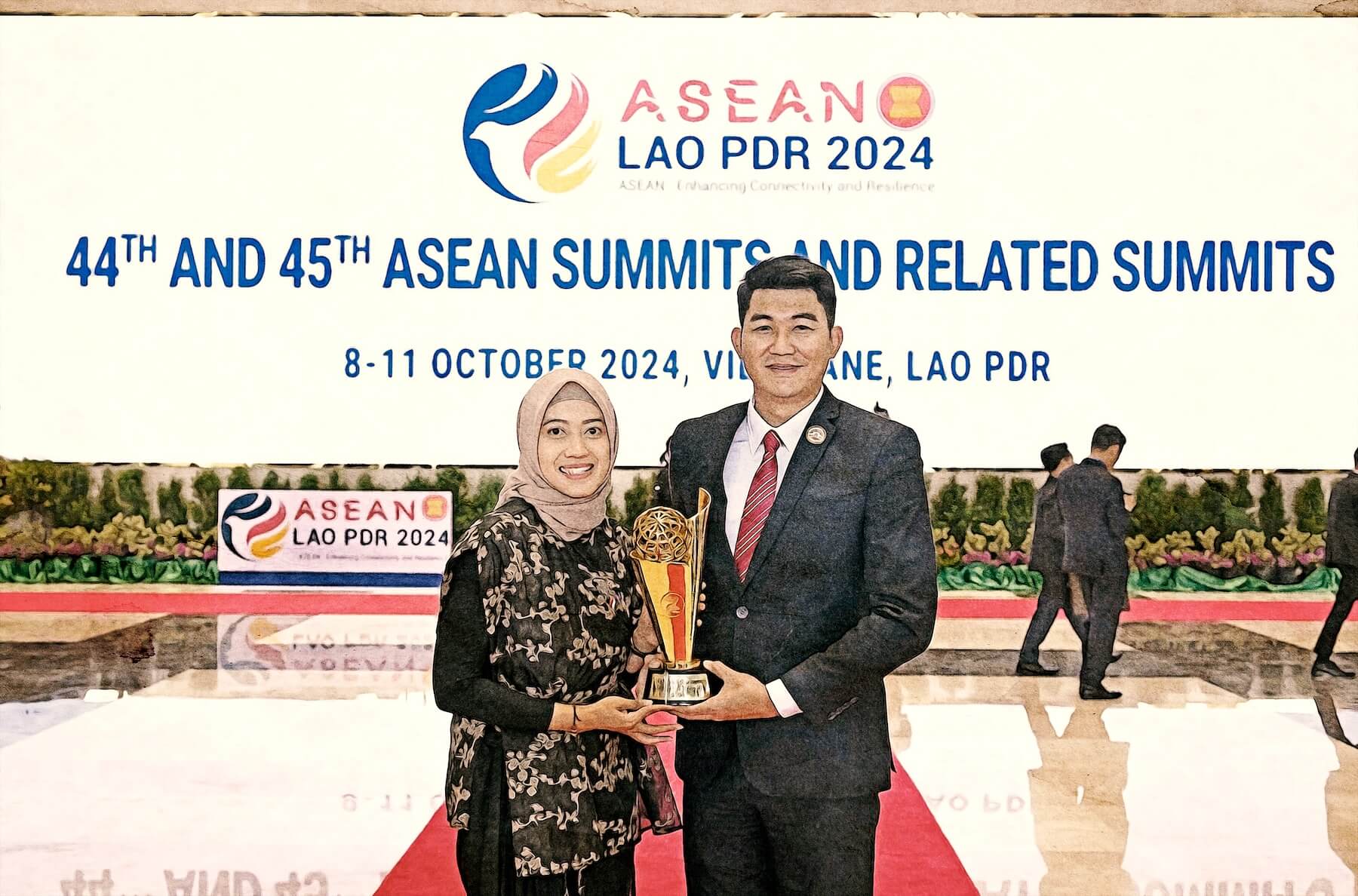
ASEAN Youth Organization
ASEAN Youth Organization (AYO) is the 2024 ASEAN Prize winner. The organisation grew from a loosely connected Facebook page into one of the region’s most dynamic youth platforms, bringing together young people across ASEAN Member States and beyond through programmes in education, research, environmental advocacy, journalism, and leadership development. Founded on friendship and collaboration, AYO has created opportunities for youth from both urban and rural communities to build skills, lead projects, and make an impact in their own societies. Its recognition with the ASEAN Prize reflects years of work to empower young people and strengthen regional connections across Southeast Asia.
“What makes AYO unique is friendship. It’s not just about completing a one-time project but creating meaningful relationships within the team, which we call AYO Family, partners, and beneficiaries. We need to understand that young people are not just tomorrow’s leaders— they are today’s changemakers. Each member brings a unique set of skills, and we harness this diversity to enrich our projects. From there, we learn how to conduct advocacy, organise grassroots campaigns, and collaborate with as many partners as possible. Hopefully, there will be more opportunities for collaboration to create even greater impact,” Sarah Rauzana, Chairperson of the ASEAN Youth Organization (AYO) in “ASEAN Prize Winner 2024: Youth, Let’s Go with AYO!” in The ASEAN Issue 41, “Towards a Mobile and Connected ASEAN.”
https://theaseanmagazine.asean.org/article/asean-prize-winner-2024-youth-lets-go-with-ayo/
ASEAN Youth for Biodiversity
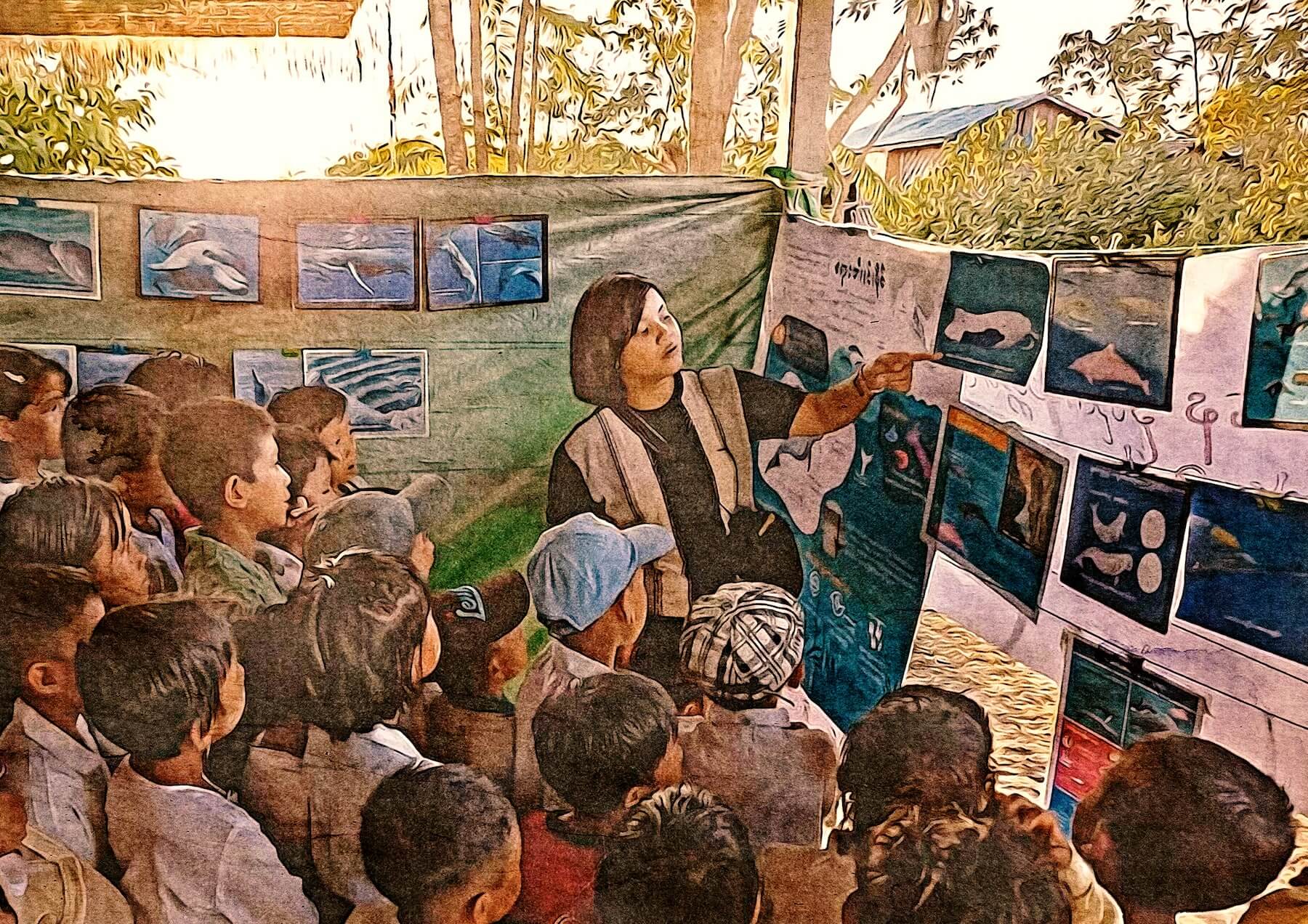
The ASEAN Centre for Biodiversity (ACB) has been steadily creating space for young people to take part in biodiversity work across the region, not as symbolic participants, but as organisers, storytellers, educators, and advocates. Through initiatives such as the ASEAN Youth Biodiversity Leaders programme and the Young ASEAN Storyteller platform, ACB has supported youth from different backgrounds and countries, giving them visibility, regional networks, and opportunities to connect their local work with wider ASEAN conversations.
“They are trying to do their best in each role, not only in biodiversity conservation but also in waste management and risk reduction. In each field, there are a lot of young people engaging and trying to fill the space. Conservation has taught me that passion, people, and creativity are just as important as science. Even though you do not have a science background, you can pursue your passion and do what you like to do.” – Thae Eaindra Hsu, 2023 Youth Biodiversity Leader from Myanmar in “On Dolphins and Coastal Life in the Gulf of Mottama,” in The ASEAN Issue 49-50, “ASEAN’s Roots and Reefs: Nature’s Strongholds.”
Art, Culture, and Shared Spaces
The arts offer another way of tracing impact across the region. The ASEAN Artists Residency Programme, launched to nurture young and emerging artists and deepen mutual understanding across cultures, has become one of the clearest examples of this. Through residencies, exhibitions, and exchanges, artists have found space to interrogate memory, environment, identity, and belonging.

“I heard about the programme through social media. This is an opportunity for me to work with ASEAN alongside other artists from Southeast Asian countries. I believe this programme will benefit the artists in this region by introducing our arts and crafts to the bigger platform.” Saiful Razman, ASEAN Art Residency Programme (2022) in “Finding Home Away from Home,” in The ASEAN Issue 23, “ASEAN Revs Up Digital Transformation.”
“In ASEAN, we have many artists who are very good. ASEAN can be a platform for us to share opportunities and news about art. We have a rich culture, and our art is charming. When you visit a place and move a little, you can already see a different culture, even in Lao. But we still do not really know how to preserve our art” – Souphalak Phongsavath, ASEAN Art Residency Programme (2025) in “The Little Beetle’s Journey,” The ASEAN Issue 49-50, “ASEAN’s Roots and Reefs: Nature’s Strongholds.”
2025 ASEAN Art Residency Programme: “The Little Beetle’s Journey” https://theaseanmagazine.asean.org/article/2025-asean-art-residency-programme-the-little-beetles-journey/
https://theaseanmagazine.asean.org/article/the-asean-artists-residency-programme/
ASEAN-India Artists’ Camp
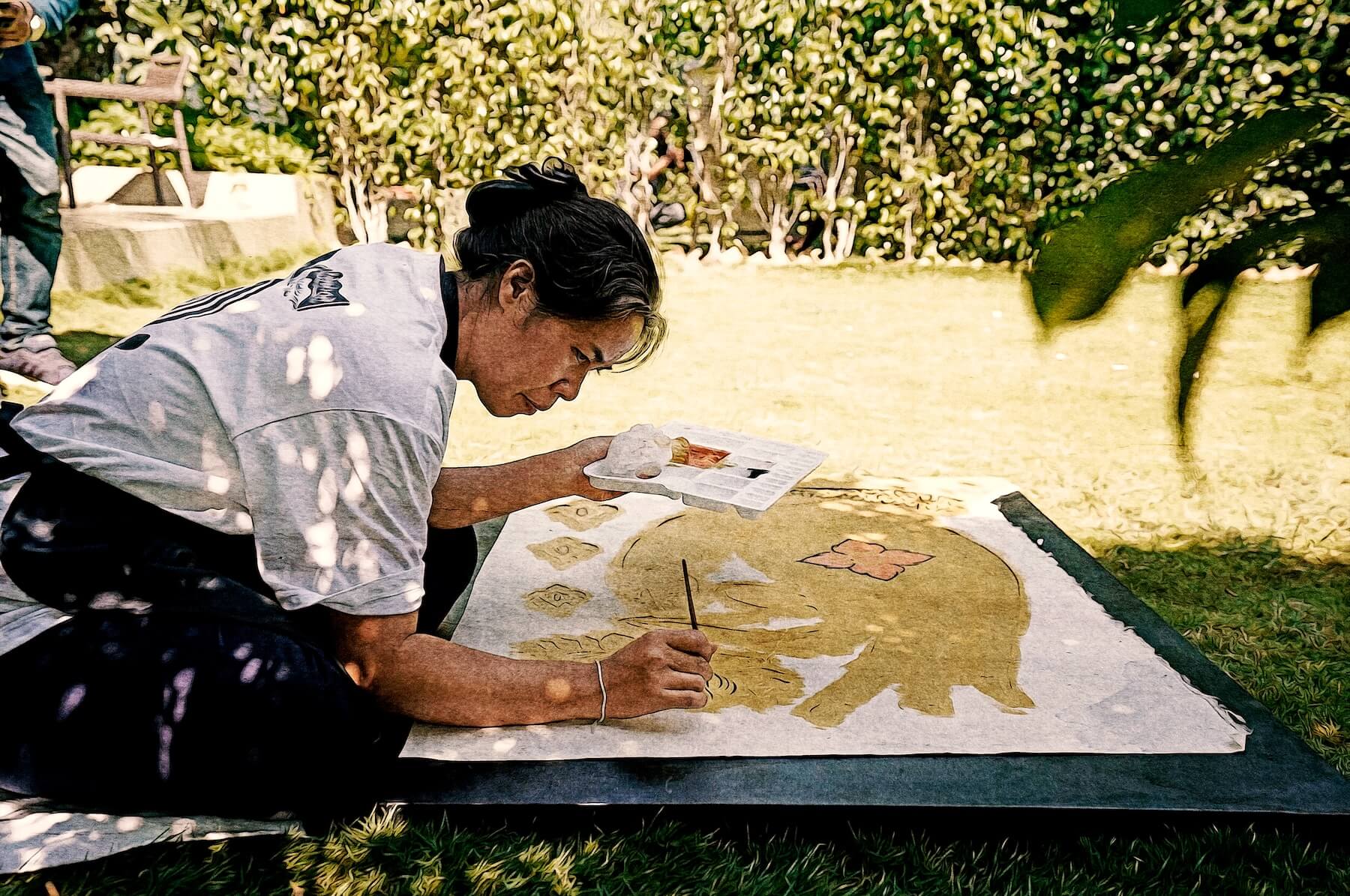
Twenty visual artists from ASEAN Member States and India gathered in Udaipur, Rajasthan, in 2022 to participate in the second ASEAN-India Artists’ Camp, centring on the theme “Oceans of Connectivity.” The camp was supported by the ASEAN-India Fund and implemented with the assistance of the SEHER Foundation, a nonprofit organisation dedicated to promoting music, dance, visual arts, theatre, and cinema.
From ASEAN, the following artists joined the camp: Nabil Fikri bin Haronli (Brunei Darussalam), Samrit Keo (Cambodia), Eddy Sulistyo (Indonesia), Sone Khounpaseuth (the Lao PDR), Edroger Rosili (Malaysia), Aye Myat Soe (Myanmar), Melissa Abuga-a (the Philippines), Phattaraporn Leanpanit (Thailand), and Nguyen Phuong Linh (Viet Nam).
https://theaseanmagazine.asean.org/article/bridging-cultures-through-art-and-music/
https://theaseanmagazine.asean.org/article/asean-india-artists-camp-2022/
Digital Transformation, STEM, and Women Empowerment
Digital transformation matters most when it reaches people in practical ways, whether through small businesses, scientific research, or new technology designed to solve everyday problems. The stories gathered by The ASEAN show that innovation becomes meaningful when it widens access, supports livelihoods, and creates new paths for collaboration across borders.
Hensona Anak Munah, Brunei Darussalam
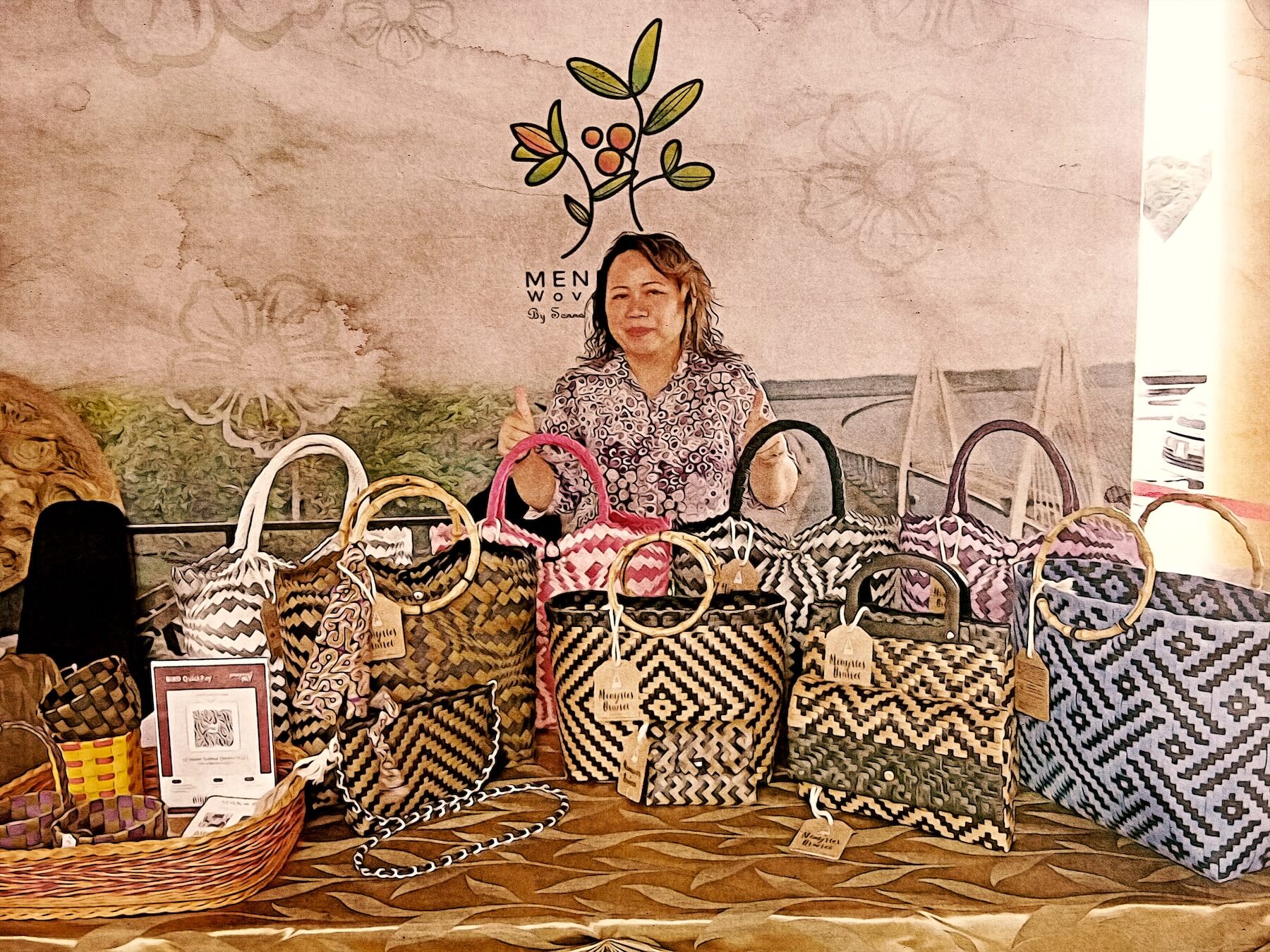
Across Southeast Asia, the benefits of digitalisation remain unevenly shared. Although governments and private companies have embraced digital tools to boost growth and support post-pandemic recovery, many MSMEs still lack the skills needed to take part in the digital economy.
Supported by Google.org, The Asia Foundation’s ASEAN-endorsed Go Digital ASEAN initiative was created to help close that gap. In 2022, the initiative has trained more than 225,000 underemployed youth and small-business owners, including persons with disabilities and indigenous entrepreneurs, with a special focus on women.
“Even though I have never been a victim of digital fraud or internet scam, I am still cautious when it comes to the internet. I know that digitalisation can make our lives easier. We can order anything at the tip of our fingers! However, I deeply understand that this technology comes with its own risks. All of this frightened me. Thus, this training helped boost my confidence […] There are many benefits in using social media to promote our business. We do not need to go to other countries to promote our crafts. My customers from all over the world can just click and send me a message through direct message.” – Hensona Anak Munah in “Go Digital ASEAN Initiative: Narrowing the Digital Divide, One Entrepreneur at a Time,” in The ASEAN Issue 23, “ASEAN Revs Up Digital Transformation.”
https://theaseanmagazine.asean.org/article/go-digital-asean/
Nguyen Thi Hiep, Viet Nam
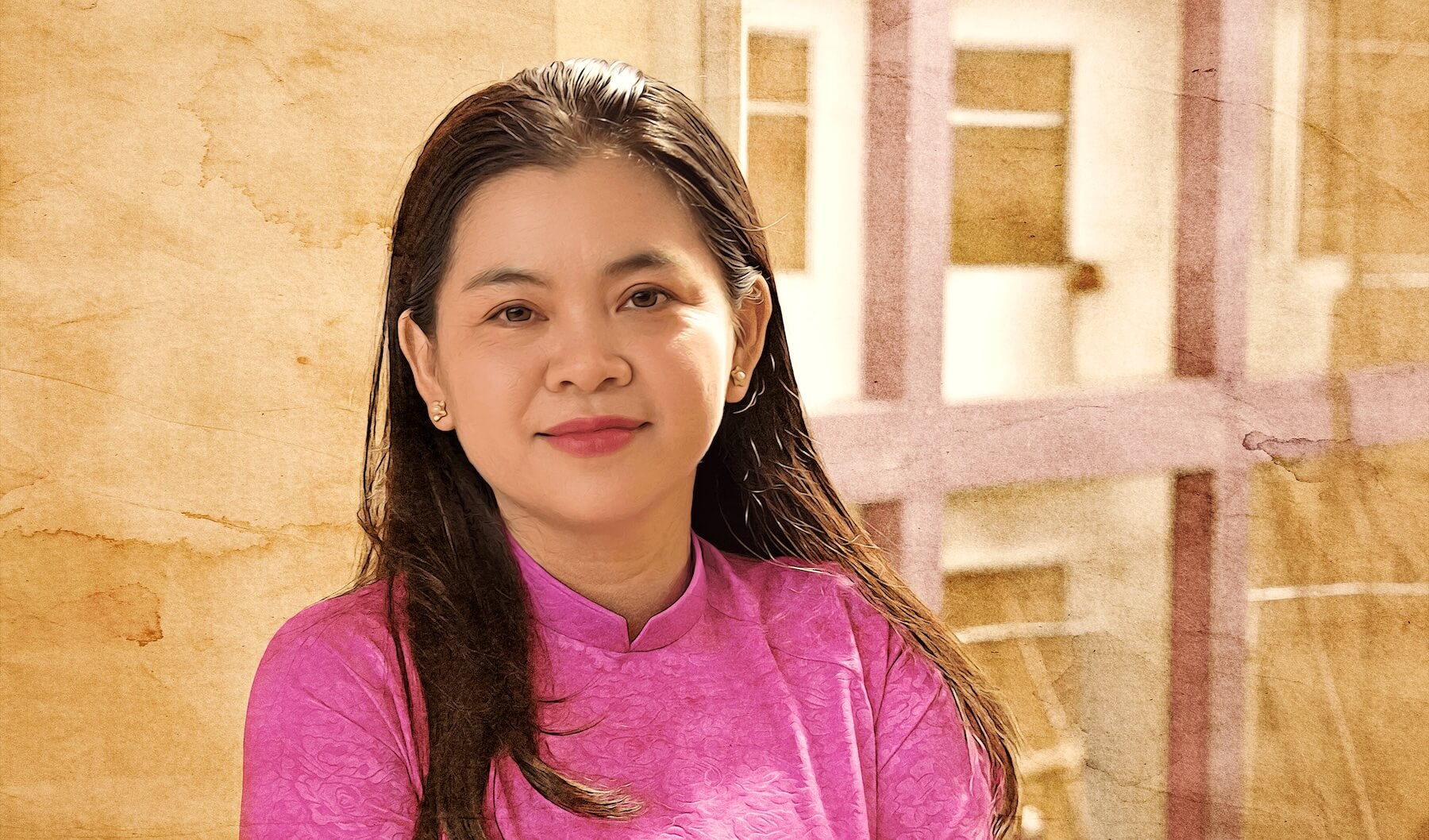
Prof. Nguyen Thi Hiep, who has spent much of her career developing biomaterials and smart hydrogels for tissue regeneration, particularly for cancer patients, participated in the first ASEAN-India Women Scientists Conclave held in Singapore from 24 to 26 April 2024. Organised under the ASEAN-India Framework, the event marked an important step in strengthening regional collaboration and gender equity in STEM.
“It (ASEAN-India Women Scientists Conclave) creates a valuable space for women scientists from across the ASEAN region and India to connect, share knowledge, and explore potential collaborations… By highlighting the work of women scientists, these initiatives also increase our visibility, which can attract the attention of potential investors, industry partners, and policymakers.” – Prof. Nguyen Thi Hiep, Dean of the School of Biomedical Engineering at International University, Viet Nam National University in “ASEAN-India Women Scientists Conclave: Creating Spaces for Growth and Visibility in Science,” in The ASEAN Issue 44, “Caring Communities: ASEAN’s Response to Ageing Challenges.”