


Circular economy has moved from niche sustainability circles to centre stage in global climate negotiations. At UNEA-7 in Nairobi in November 2025, member states deliberated on binding agreements to tackle plastic pollution and resource depletion. The year 2025 also marked the first time that circular economy was discussed at COP30, underscoring the role of circular economy in climate action and the economic potential of circularity spillover for the member states.
The numbers from Southeast Asia are staggering. The region generates over 150 million tonnes of municipal solid waste each year, and that figure is projected to double by 2050. Malaysia discards approximately 39,000 tonnes daily of Municipal Solid Waste (MSW), yet only 37.9 per cent gets recycled by the end of 2024; this number is targeted to increase to 56.2 per cent by 2030 under the 13th Malaysian Plan (13MP).
The Asian Development Bank warns that resource depletion and waste mismanagement could cost Southeast Asia up to 11 per cent of its GDP by century’s end if climate change remains unaddressed. Although environmentalists projected that shifting to a circular economy could generate economic growth, more efforts need to be made in transitioning to circularity, which requires strong innovative capital, as well as the political will to make it happen. This is proven by the Circularity Gap Report 2025 that brings more sobering news citing that the worldwide circularity has dropped to just 6.9 per cent in 2024.
The Framework for Circular Economy for the ASEAN Economic Community, which was established in 2021, determines which standards should be harmonised first while also establishing priorities for circular goods trade openness and innovation, and sustainable finance and resource efficiency. The Circular Economy Implementation Plan from 2023 runs until 2030 and addresses three sectors which include agriculture, transport, and energy.
But barriers remain even though some of the framework and policies relating to the circular economy were adopted by some of the ASEAN countries. The ASEAN region faces policy fragmentation, which disrupts the operation of circular value chains that span across national borders. The financing gap represents a major challenge because public funding does exist, but it does not provide enough support to expand circular business models from their current pilot stage to widespread implementation. The ASEAN Member States should establish policy harmonisation as their top priority because they currently focus on trade liberalisation at the same level of importance.
Capital meets circularity: Insights from ACEF 2025
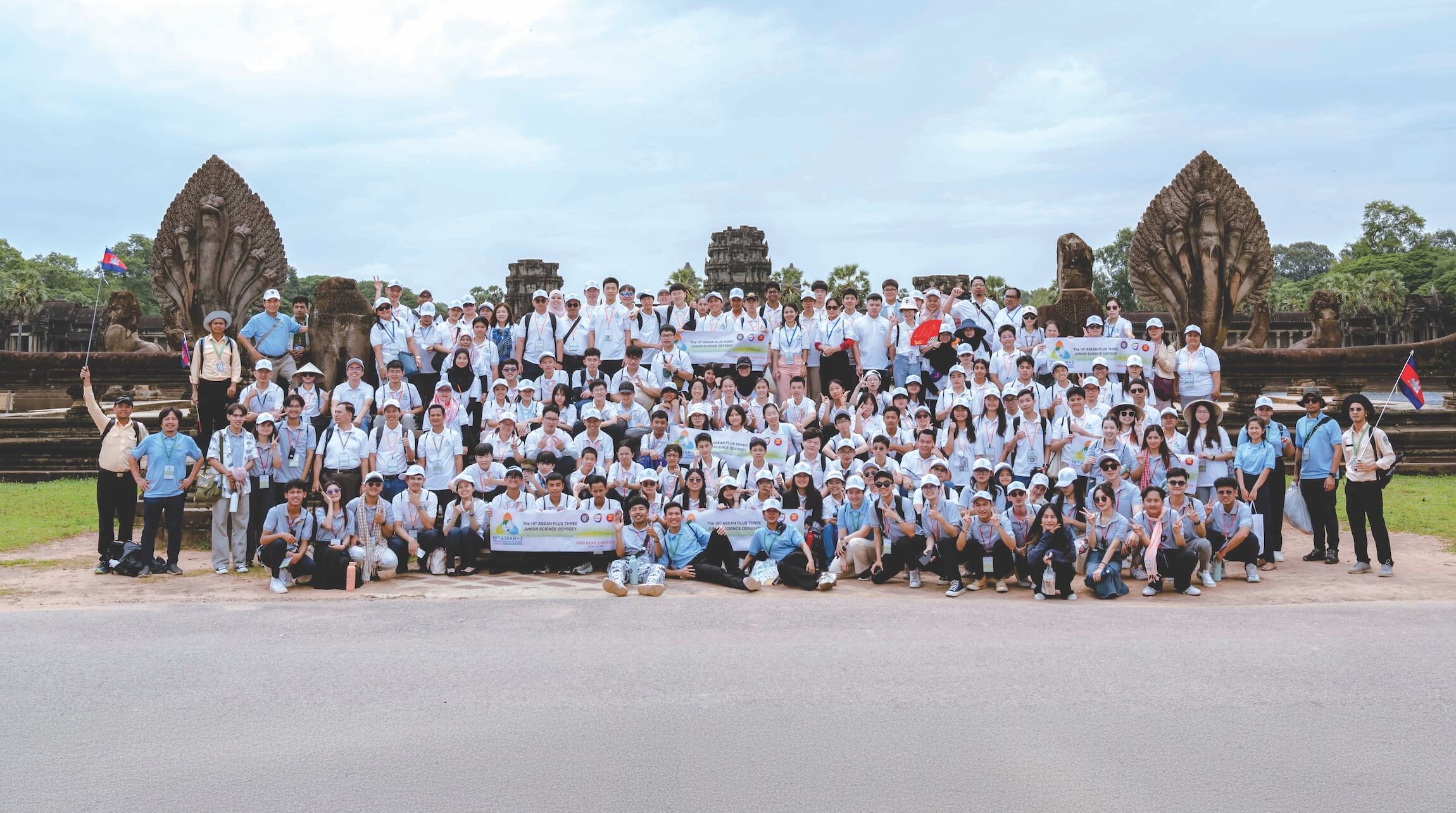
Over 500 participants gathered at the ASEAN Circular Economy Forum (ACEF) in Kuala Lumpur on 16-17 October 2025, under the theme “Accelerate the Circular Economy Transition in ASEAN with Green Skills, Innovative Solutions, and Investments.” The panel session, facilitated by Kumpulan Wang Persaraan (Diperbadankan) [KWAP] and moderated by Fara Alyaa Azmin, KWAP Vice President of Private Equity, highlighted how the gap between circular ambitions and market reality is actually being bridged through strategic capital deployment.
Chalothorn Vashirakovit, Managing Director at TPG Rise, explained how large-scale private equity drives circular innovation globally. TPG Rise manages over 30 billion US dollars in impact assets, pursuing non-concessionary returns while achieving measurable environmental outcomes. Both stressed that ASEAN offers tremendous potential for scaling these innovations, particularly in waste management and sustainable consumption. But investors need three things: clear policy signals, demonstration of commercial viability, and credible impact measurement frameworks.
Badrul Hisham Jaafar, who serves as Principal and Senior Vice President of COPE Private Equity, discusses how domestic funding supports environmental sustainability through initial development stages. The fund mandates ESG integration, which must start within 100 days of investment, to help Malaysian SMEs learn circular principles at an early stage. Badrul presented two business examples which the audience found most memorable because they involved a pet food company that used local agricultural waste for protein substitution and an Ultra High-Performance Concrete manufacturer who developed materials to lengthen infrastructure operational periods. The two examples demonstrate how organisations that focus on ESG performance will experience increased value because sustainability acts as a competitive advantage.
Venon Tian of ZUS Coffee discussed how their company has collected 15 metric tonnes of spent coffee grounds in 2025 and transforms them into biofuel and fertiliser. Chai Peng Teh of Complete Human Network shared how the Device-as-a-Service model reduces electronic waste through rental and repurposing. Mohamed Tarek of ERTH uses gig economy logistics to divert over 3,000 tonnes of e-waste to licensed recovery facilities. One theme kept coming up: access to patient capital remains the biggest constraint for early-stage circular ventures.
Institutional investors as catalysts: The KWAP model
As a Malaysian public pension fund, KWAP offers a compelling example of how institutional investors can catalyse circular transition. Managing over 185.6 billion-Malaysian ringgit assets, KWAP shows that long-term financial returns and sustainability objectives can reinforce each other through commitments that include achieving a Net Zero Portfolio by 2050 and increasing investments in transition assets to 20 billion Malaysian ringgit by 2030.
Three catalytic investment programmes have been launched by KWAP. Dana Perintis (RM500 million) invests in local start-ups through venture capital support for agritech and automated manufacturing businesses. Dana Pemacu (RM6 billion) investment fund operates through a co-General Partner model, which unites international investment experts with Malaysian-based professionals to support food security and energy transformation initiatives. The Dana Iklim+ of RM 2 billion investment fund serves as Malaysia’s initial climate-focused investment fund, which operates under an impact measurement system that monitors climate resilience and UN Sustainable Development Goals-related co-benefits.
KWAP Inspire Conference 2024 took place to advance circular transformation for a climate-smart Malaysia through the theme “Advancing Circular Transformation for a Climate Smart Malaysia.” This established the Circular Economy Young Leaders for Change (CYCLE), a youth-driven initiative that promotes circular economy principles. Some notable initiatives include the “Fuel the Future” campaign, which gathered 742 kg of Used Cooking Oil, demonstrating KWAP’s dedication to developing closed-loop systems that benefit both the company and its stakeholders.
Renewable energy as circular economy infrastructure
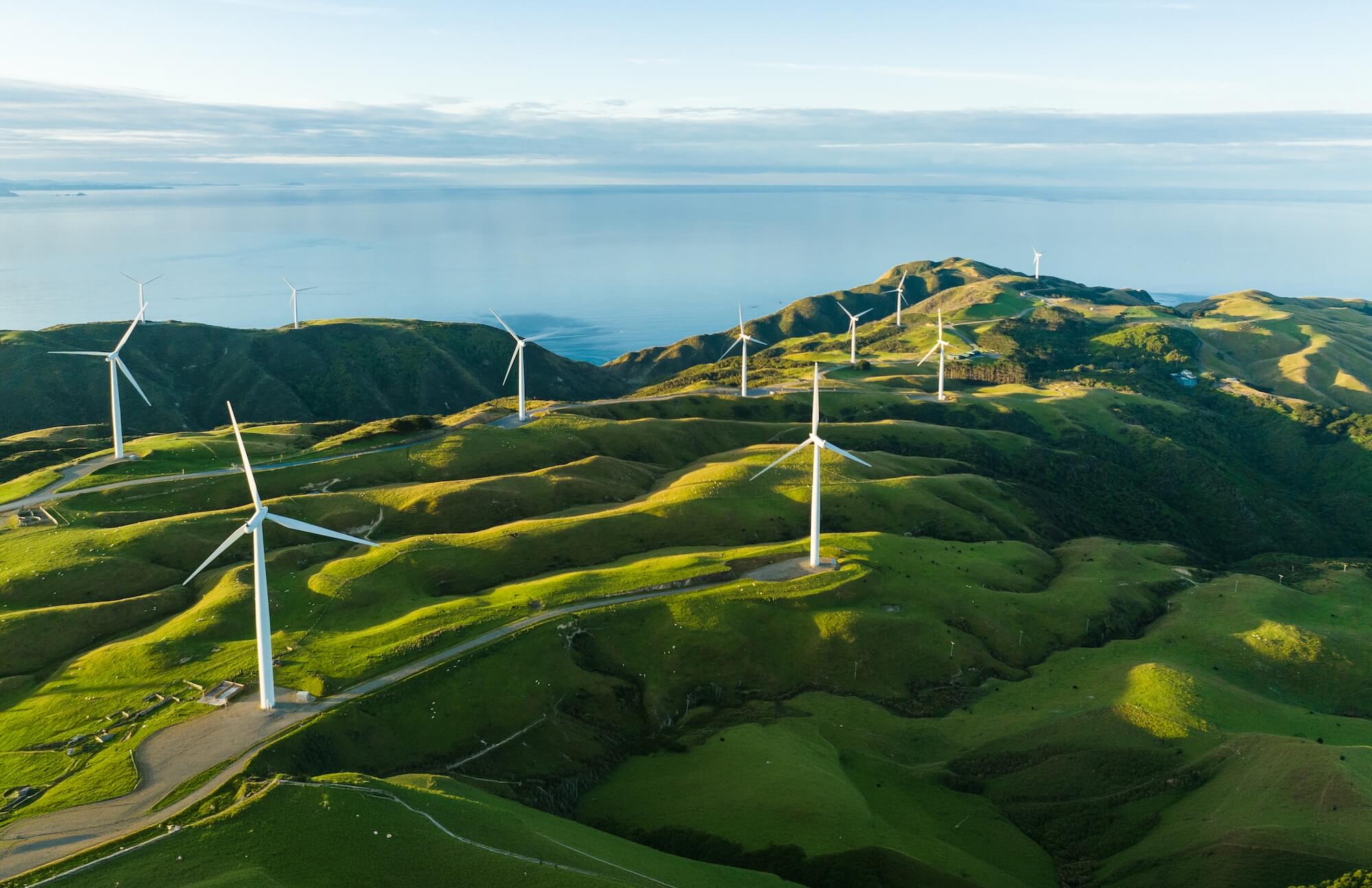
While circular economy seeks to improve material flow, the transition toward a circular economy will require a simultaneous transformation of energy systems. KWAP’s investment in Vantage Solar UK Ltd. (VSUK) demonstrates how renewable energy is a part of circular economy infrastructure. VSUK has generated significant greenhouse gas emissions avoidance through its 365-MWsolar generation capacity, which has kept 49,057 tonnes of CO2e out of the atmosphere in FY23 and 46,141 tonnes of CO2e in FY24. These amounts were derived using PCAF emission factors and Project Finance methodologies.
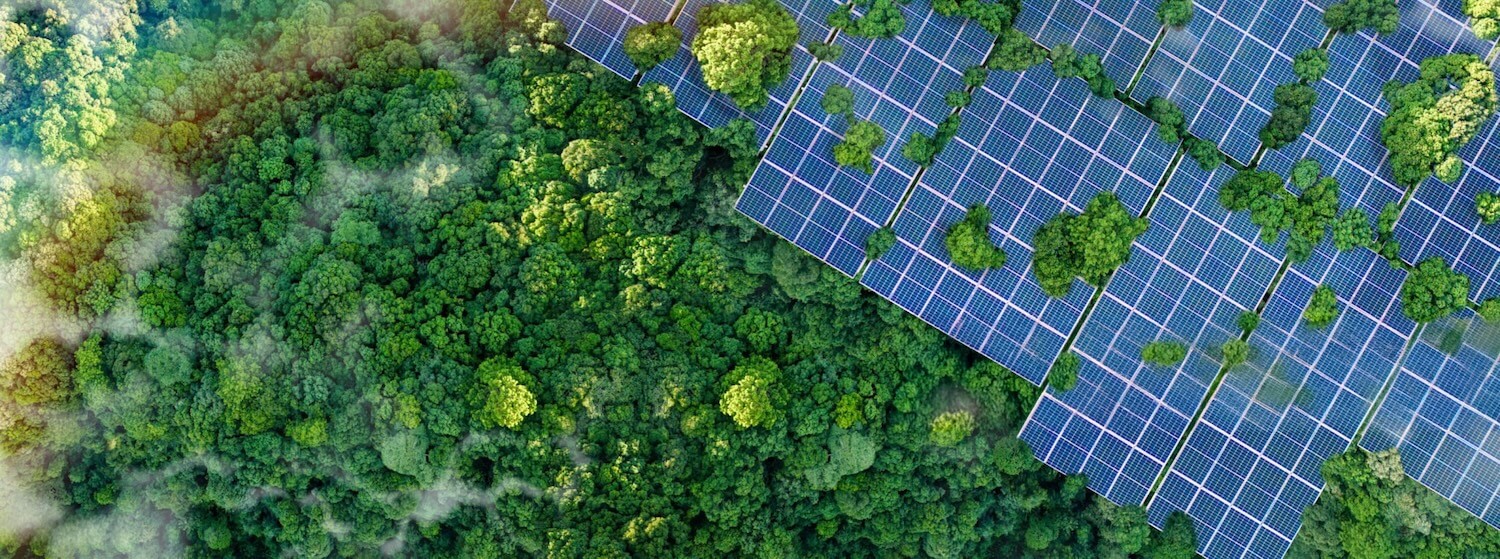
The kind of transparency that is demonstrated by KWAP’s disclosure of the carbon impact of VSUK represents an important step forward in the development of institutional investor accountability for climate-related disclosures. Under PCAF reporting standards, financial institutions that commit to measuring and disclosing their financed emissions are required to account for the total GHG emissions associated with their portfolios. This transparency makes the carbon impact of the project quantifiable. Additionally, the avoided emissions data, designated as PCAF Data Score 2, provide high-quality proof of the contributions made to decarbonisation by VSUK while providing clean electricity to approximately 87,000 UK households per annum.
To understand what the circular economy actually entails, it is useful to think about the circular economy requirements of manufacturing recycled materials, operating reverse logistics, and powering remanufacturing facilities. All of these requirements necessitate energy. Where energy comes from renewable resources, the potential for climate impacts of the circular economy increases. KWAP’s portfolio-based approach enables synergies to exist when both clean materials and clean energy are used together, while at the same time maintaining strict reporting and measurement standards to ensure that there is real accountability.
Bridging the investment-implementation gap
The ACEF 2025 conference discussed that circular economy funding does not face barriers from insufficient business prospects, as investors face challenges that current projects cannot address. The blended finance mechanisms operate as risk reduction tools for circular economy investments through their combination of public funding at reduced rates with commercial investment capital. Pension funds, financial institutions, and sovereign wealth funds may find value in exploring how circular economy assessment criteria could be gradually integrated into their investment frameworks, drawing on approaches such as that adopted by KWAP.
Policy harmonisation requires immediate attention. The ASEAN region requires standardised rules, which should include certification recognition systems and unified Extended Producer Responsibility programmes and established procedures for moving secondary materials between countries. The ASEAN Circular Economy Stakeholder Platform maintains existing infrastructure for knowledge sharing, yet we need to establish this knowledge base throughout public sector organisations, private companies, and banking institutions. All parties involved must use the same playbook during circular economy project planning and budgeting activities.
ACEF 2025 identified that the constraints to circular economy investments are not due to a lack of opportunities but instead the result of systemic mismatches between what investors seek and what ventures are able to provide. Blended finance mechanisms have the ability to de-risk circular economy investments, combining concessionary public financing with commercial capital.
The path forward
Institutional investors like KWAP and the entrepreneurs featured at ACEF 2025 prove that the circular economy can be financed, scaled, and mainstreamed from within the region itself. But questions linger. Why do circular business models still struggle to access patient capital despite proven viability? The journey has begun, and the direction is clear, but reaching the destination requires sustained conviction and effort.
Circular economy transition needs deliberate, coordinated action through triple helix collaboration. In this model, policymakers craft enabling frameworks, industry players such as investors and entrepreneurs need to deploy patient capital and build circular business models, and citizens to demand circular innovative solutions. Will we move fast enough to capture the economic opportunity while addressing the environmental imperative? That depends on the choices we make now.
The views and opinions in this article are solely those of the authors and do not represent the policy or official position of ASEAN.