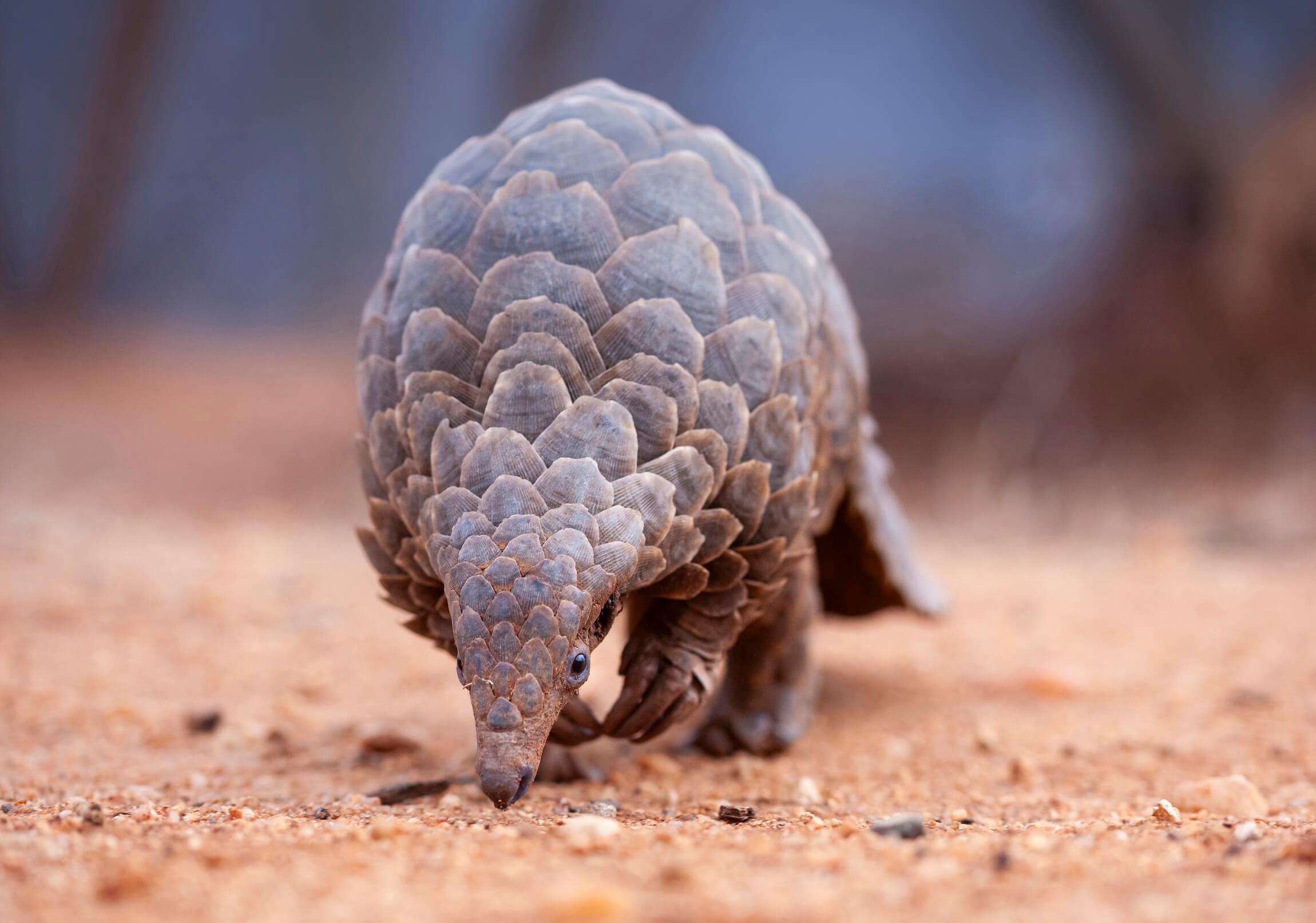


Illegal wildlife trade is a major driver of biodiversity loss. Conservationists note that most trafficked species are already endangered or at-risk. Poaching and trafficking these species accelerate their depletion and damage the ecological balance.
In the Philippines, illegal wildlife trade costs the country roughly 50 billion Philippine pesos (about a billion US dollars) a year, according to the Asian Development Bank. The Philippines is not only a source but also a destination and transit point for trafficked fauna and flora, as well as their parts. They wind up as exotic pets, food delicacies, components of traditional medicine, or ornaments.
As the national postal service provider, the Philippine Postal Corporation (PHLPost) is on the front line of the Philippines’ efforts to curb the illegal wildlife trade.
“PHLPost is very committed to safeguarding the integrity of the postal system and supporting national and international efforts to combat illegal wildlife trade through strong collaboration with other agencies, including law enforcement agencies,” says Lorie Ann B. Hinacay, acting chief of the PHLPost’s Inspection and Investigation Division.
She explains that the Philippines’ Bureau of Customs (BOC) marks and segregates suspicious inbound international packages and sends them to the PHLPost Central Mail Exchange for secondary inspection. The process involves X-ray scans and manual inspection of suspicious packages in the presence of authorised BOC and PHLPost personnel.
“(For example,) through strong collaboration with the BOC, we discovered 245 plastic tubes full of black ants from Poland (in 2022). We discovered these through X-ray,” she says.
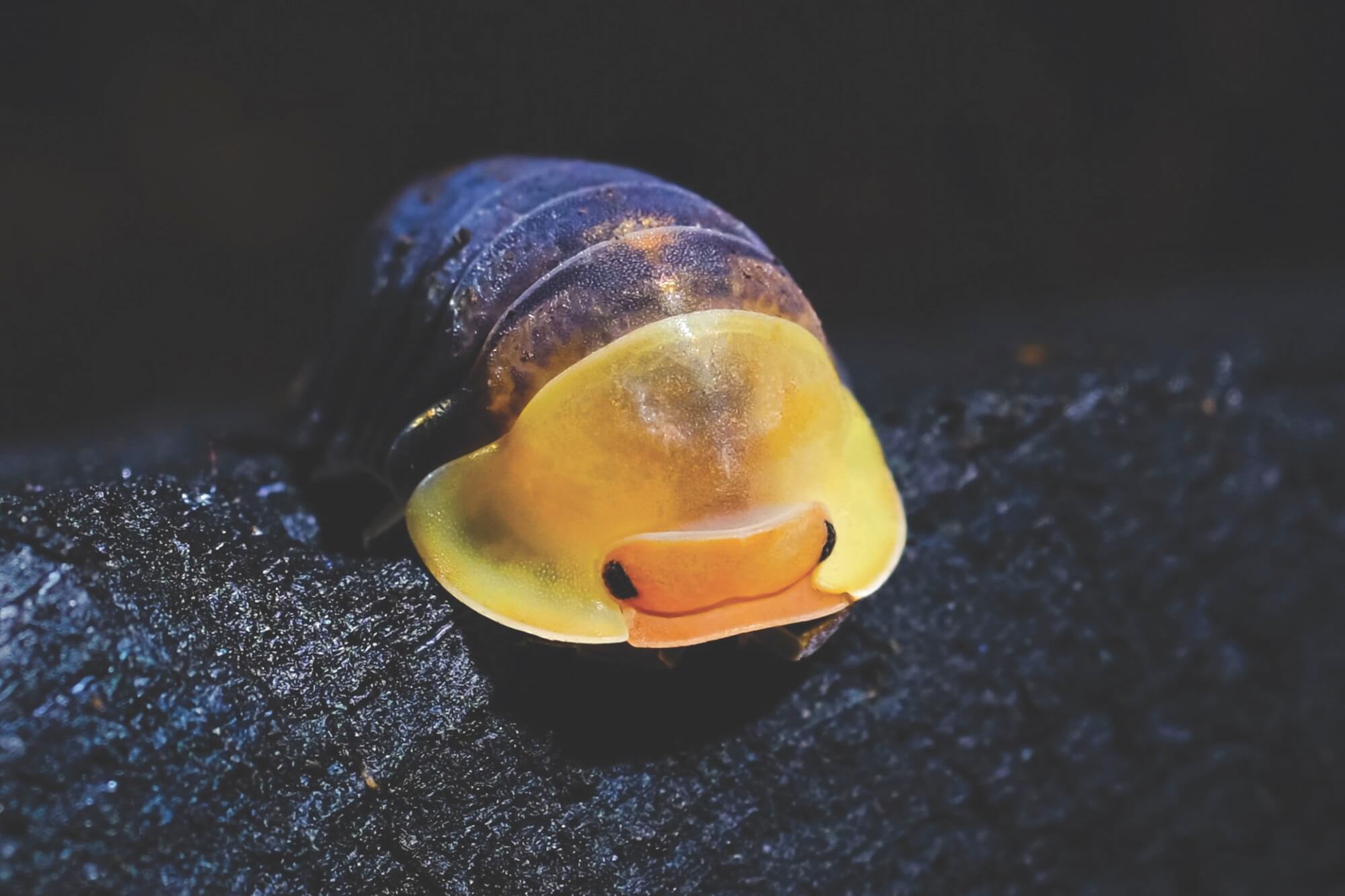
Between 2021 and 2025, BOC and PHLPost have also confiscated other trafficked animal species, such as iguanas, black and white tegu lizards, rubber ducky isopods, bearded dragons, and beetles.
“Once they (live animals) are detected, all are properly turned over to the Department of Environment and Natural Resources (DENR). For smuggled plants, they are turned over to the Bureau of Plant Industry. These are placed in quarantine,” says Ms. Hinacay. “It’s the DENR, in cooperation with law enforcement agencies, that goes after the trafficker. The role of the PHLPost is to provide support in the form of documentary evidence.”
PHLPost also thoroughly scrutinises outgoing packages. “Our local post offices, our frontliners, especially postal tellers, are equipped when it comes to accepting mail. We have 1,200 post offices nationwide, and we have our main sorting centre, the Central Mail Exchange, located in Pasay,” says Ms. Hinacay. “Each post office has a list of prohibited items. Our Inspectorate Department, of which I’m part, conducts inspections and (checks for) compliance.”
“There was one instance (when) perpetrators tried to smuggle tarantulas. We conducted a fact-finding investigation because it got past the local postal teller. But we were able to catch the package before it left the Philippines through our Central Mail Exchange, which has a strict security process,” says Ms. Hinacay.
PHLPost’s efforts to implement strict security protocols are paying off, with the Universal Postal Union set to award Gold Certification for S58 and S-59 Security Standards to PHLPost. The certification indicates that PHLPost meets internationally recognised security standards for screening and securing international mail.
Ms. Hinacay points out, that combating wildlife trafficking is a multi-agency and multi-sectoral effort.
To be more effective, she says, a centralised interdiction database is needed to facilitate the tracking and identification of trafficked wildlife.
Tougher penalties must also be imposed against perpetrators. “Currently, there is an inter-agency effort to develop a national policy on addressing illegal wildlife trading, including stronger sanctions,” she says.
Ms. Hinacay likewise calls for greater involvement of privately run courier companies in curbing wildlife trade. She says they must implement stricter guidelines and accept greater accountability to prevent perpetrators from using their services for trafficking.
PHLPost is also strengthening its international network. She notes, “We actively participate with TRAFFIC Southeast Asia, an international illegal wildlife trade monitoring network that is based in Malaysia. We participate in regional dialogues, training programmes, intelligence sharing.”
Beyond enforcement, PHLPost highlights the need for an effective and sustained public awareness campaign to enlist communities as active partners in the fight against illegal wildlife trade.