

With a population of over 700 million and one of the world's fastest-growing economies, the ASEAN region is undeniably a rising powerhouse. Unfortunately, few realise that this progress is built on the region’s extraordinary biodiversity and the ecosystem services it provides—resources that are currently threatened by the triple planetary crisis of climate change, biodiversity loss, and pollution.
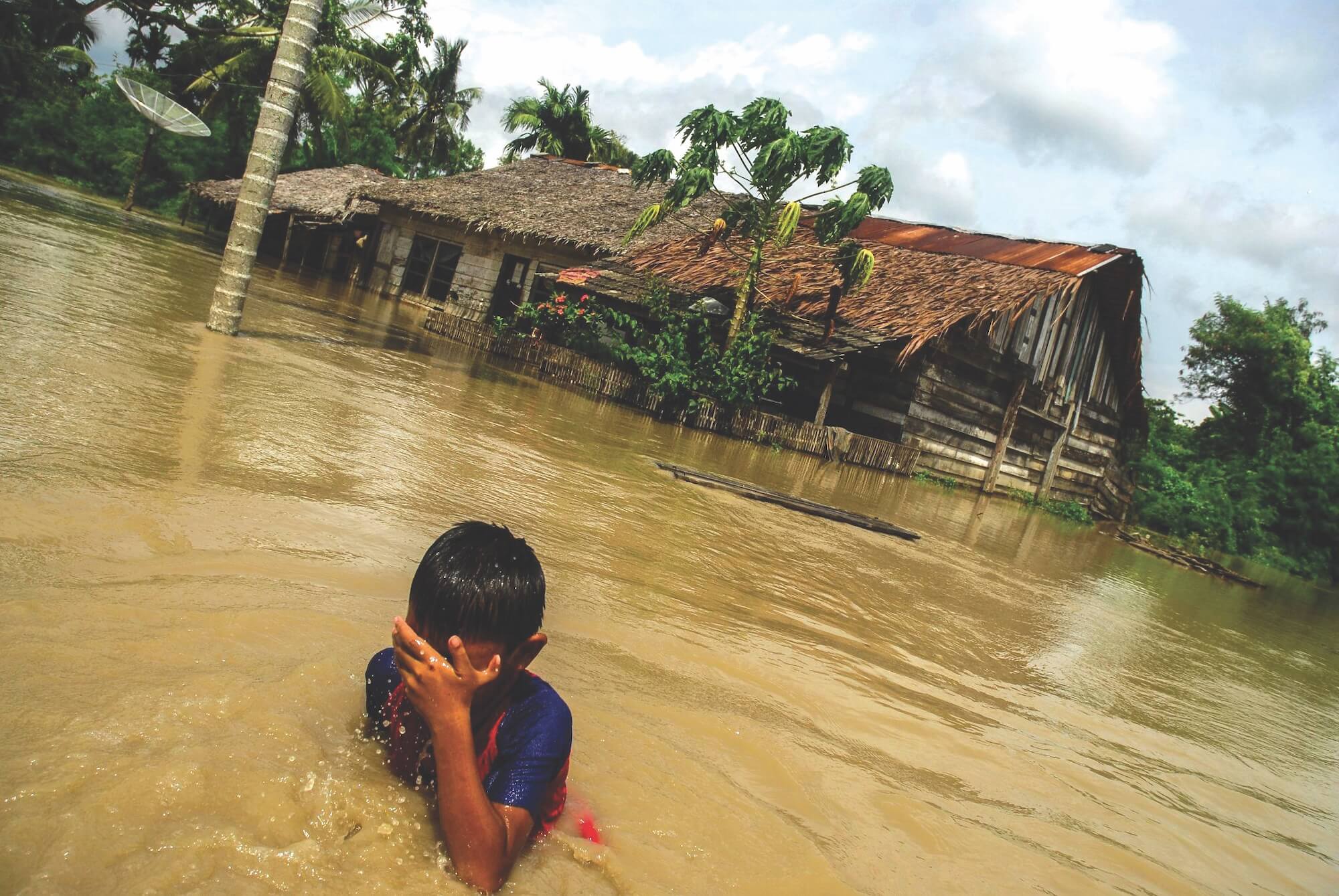
Southeast Asia is one of the most vulnerable regions to climate change. In addition to being geographically located between tectonic plates that cause earthquakes, volcanic eruptions, and tsunamis, the region is also between the Pacific and Indian Oceans, making typhoons the most prevalent hazard in the region. These natural calamities have caused significant economic and human losses that continue to have lingering effects in different aspects of society. These are often exacerbated by unfavourable political climates and poor governance, resulting in poor health and well-being, loss of property and livelihoods, and, worst of all, human lives. From 2012 to 2022, around 4,400 disaster events were recorded in Southeast Asia, impacting around 128.5 million people and incurring economic losses estimated at 4.2 billion US dollars (AHA Centre, 2023, as cited by ADB, 2023). As climate change intensifies, these natural disasters become more frequent and destructive, leaving the heaviest burdens and consequences to people living in poverty. Sectors and industries that rely on nature and biodiversity, such as agriculture, fisheries, forestry, and food production, also bear significant socio-economic consequences of severe disaster impacts which further threaten food security, health, and well-being (Andersen, 2020).
While mainstream media reports on the occurrence of natural phenomena often focus on the impacts on humans and the economy, it is also crucial to recognise the effects of these disasters on our environment and biodiversity. While society suffers economic losses, our ecosystems also lose vital services and biodiversity. These damages to the ecosystem are a major driver of disaster risk (Walz et al., 2021), further increasing the vulnerability of the communities that depend on natural resources for living.
As of November 2025, ASEAN countries have experienced 46 disaster events, including floods, landslides, storms, and wind-related incidents, affecting Indonesia, Viet Nam, and Thailand, while medium to high 7-day average rainfall was experienced by Brunei Darussalam, Cambodia, Indonesia, Malaysia, the Philippines, Singapore, Thailand, Timor-Leste, and Viet Nam (Relief Web, 2025). Earthquakes have also struck and significantly affected the Philippines and Indonesia this 2025. The Philippines, especially, has suffered from the back-to-back impacts of destructive earthquakes, which affected 370,000 people and displaced 77,000 in Cebu, the country’s second-largest city. Powerful tropical cyclones and intense flooding also battered the Philippines, which affected 4 million people across 16 regions in the past two months (Relief Web, 2025).
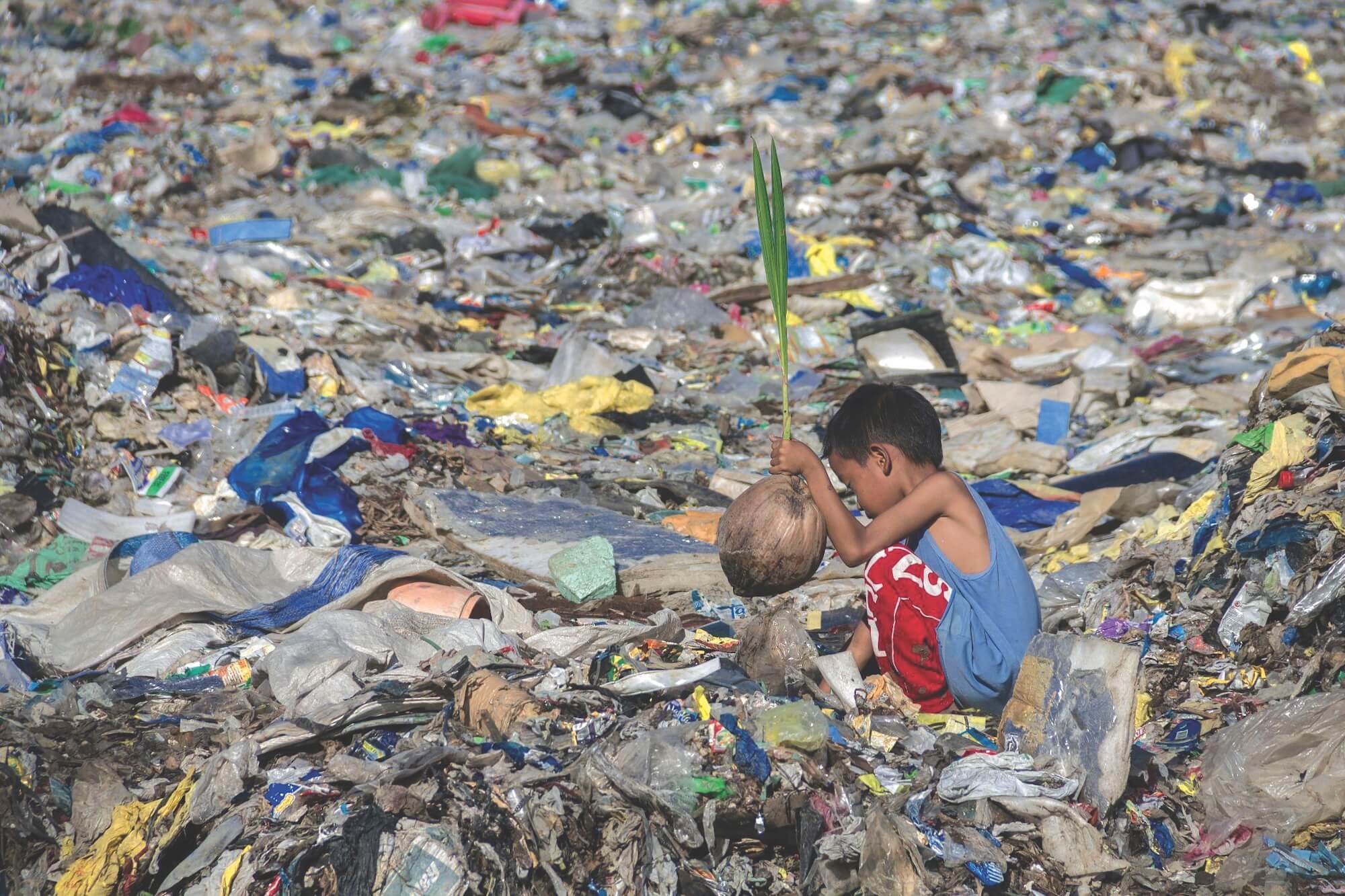
Solid waste worsens pollution, increases greenhouse gas emissions, and increases the probability of spreading diseases. Poor urban solid waste management is a major driver of severe flooding. According to the Sixth ASEAN State of the Environment Report (2021), it is expected that the ASEAN region’s solid waste will increase by 188 million tons per year by 2030. Unsustainably managed chemical wastes mostly from 15,000 factories at a minimum, also pose challenges for most of the ASEAN Member States. Aside from solid waste pollution, the region’s greenhouse gas emissions continue to rise, worsening air quality as climate change intensifies due to non-renewable energy use, industrialisation, deforestation, and improper waste management.
With half of ASEAN’s population projected to live in cities and megacities by 2050, waste management, traffic decongestion, and air pollution control must receive sufficient attention through sound, science-based policies, action plans, and the effective execution of programmes.
A treasure trove of natural wealth
Despite occupying only over 3 per cent of the planet’s surface, the ASEAN region houses over 25 per cent of the world’s described species. It also has 3 of the 17 megadiverse countries: Indonesia, Malaysia, and the Philippines. The region’s diverse flora and fauna and its vast ecosystems, offer more than just rich cultural heritage and livelihood opportunities. These ecosystems provide us with layers of protection from the harmful impacts of disasters and climate change—as long as we protect them too against deforestation, pollution, land-use change, and destructive, illegal human activities.
Forty-seven per cent of ASEAN’s total land area is covered by forests (over 200M ha as of 2020), supporting over 70 million people (Goldman & Hooijmans, 2024). Moreover, ASEAN has 15 per cent of the world’s tropical forests, with at least 12 forest types (ACB, 2023), and 19 per cent of the region’s total forest cover is still intact, spanning approximately 38.3 hectares (Estoque et al., 2019). These forests and mountains act as natural carbon sinks, helping regulate temperatures, absorb carbon dioxide, and mitigate the effects of climate change and global warming. Moreover, the region hosts 27 to 41 per cent of the world’s tropical peatlands, covering approximately 25 to 30 million hectares (Poulter et al., 2021). These rich ecosystems serve as a powerful natural resource, capable of storing more carbon than all the world’s forests combined. Our peatlands are also a significant source of water for plants and animal species and communities.
The region contains nearly 34 per cent (nearly 100,000 km2) of the world’s total coral reefs and is the global centre of biodiversity for coral reef fish, molluscs, and crustaceans (ACB, 2023). Aside from the rich resources of the coastal and marine areas that support the livelihood, transportation, and trade of large populations of ASEAN, these ecosystems also protect us from devastating storm surges, intense flooding, and soil erosion. They also help mitigate the impacts of climate change through carbon sequestration.
Despite the valuable economic contributions and ecosystem services provided by our natural resources, many people may still be unaware of their significance, policies may still be insufficiently encompassing to enable transformations, and actions may be less participative than they should be when it comes to the conservation and protection of our nature and biodiversity.
ASEAN’s natural shield
Humanity has been exacerbating climate change by disruptingg the balance of atmospheric carbon, resulting in drastic temperature shifts, rising sea levels, and the detrimental impacts of extreme weather. Humans alone cannot solve the climate crisis; forests, wetlands, and protected areas, their silent powerhouse allies, do most of the hard work.
These unsung everyday heroes are the reason why the ASEAN Member States established the ASEAN Centre for Biodiversity (ACB). As the region’s response to biodiversity loss, the ACB facilitates cooperation and coordination among governments and with regional and international organisations on the conservation and sustainable use of biological diversity and the fair and equitable sharing of benefits arising from the use of such natural treasures.
In the face of the alarming threats posed by the triple planetary crisis, the ACB and the ASEAN Secretariat supported the ASEAN Member States in developing the Biodiversity Plan, the region’s strategy and direction towards the goal of living in harmony with nature by 2050. This plan aligns with the 23 targets of the Kunming-Montreal Global Biodiversity Framework (KM GBF) and synergises with the member states’ biodiversity action plans.
One of the ACB’s flagship programmes is the growing network of ASEAN Heritage Parks (AHPs). There are currently 69 declared exemplary protected areas in the region. Two of the AHPs, which are also part of the ASEAN Flyway Network (AFN)—Agusan Marsh Wildlife Sanctuary in the Philippines and Bang Pu Nature Education Centre in Thailand—are now acknowledged as part of seven new important wetland sites for conservation. The sites were recognised during the 12th Meeting of Partners (MOP12) of the East Asian-Australasian Flyway Partnership (EAAFP) in Cebu, Philippines, from 8 to 14 November 2025. The Secretariat of both the AHP Programme and the AFN (the ACB) is now an Intergovernmental Partner of the EAAFP, putting it in a more strategic position to amplify its initiatives in the ASEAN flyway, which is at the heart of the EAAF migration route for around 50 million migratory waterbirds annually.
The ACB held the Eighth AHP Conference (AHP8) in Viet Nam from 2 to 5 December 2025. The Conference highlighted ASEAN’s progress and contribution to the realisation of the ASEAN Biodiversity Plan. A special AHP8 exhibition will also be launched to promote awareness of the importance of our biodiversity and showcase each of AHP’s unique and rich ecosystems. As the AHP Programme secretariat, the ACB conducts capacity development activities for AHP managers and staff; organises AHP conferences; holds promotional activities for the AHP Programme; and facilitates coordination among AHP managers to strengthen the parks as a regional network of protected areas.
The ACB participated in the United Nations Framework Convention on Climate Change’s (UNFCCC) 30th Conference of the Parties (COP 30) to provide support to the ASEAN Member States in developing their positions and contributions to stabilising greenhouse gas emissions, which are crucial to mitigating and adapting to climate change. Moreover, the ACB will promote its regional initiatives by highlighting the role of protected and conserved areas in showcasing solutions rooted in diversity and inclusivity to address the triple planetary crisis of biodiversity loss, climate change, and pollution. The ACB also continues to support the ASEAN Member States in achieving their biodiversity targets and works with international partners, local communities, and development sectors in mainstreaming biodiversity considerations into policies and processes, designing communication, education, and public awareness campaigns, and fostering a whole-of-society approach in all its initiatives.
Navigating towards our shared future
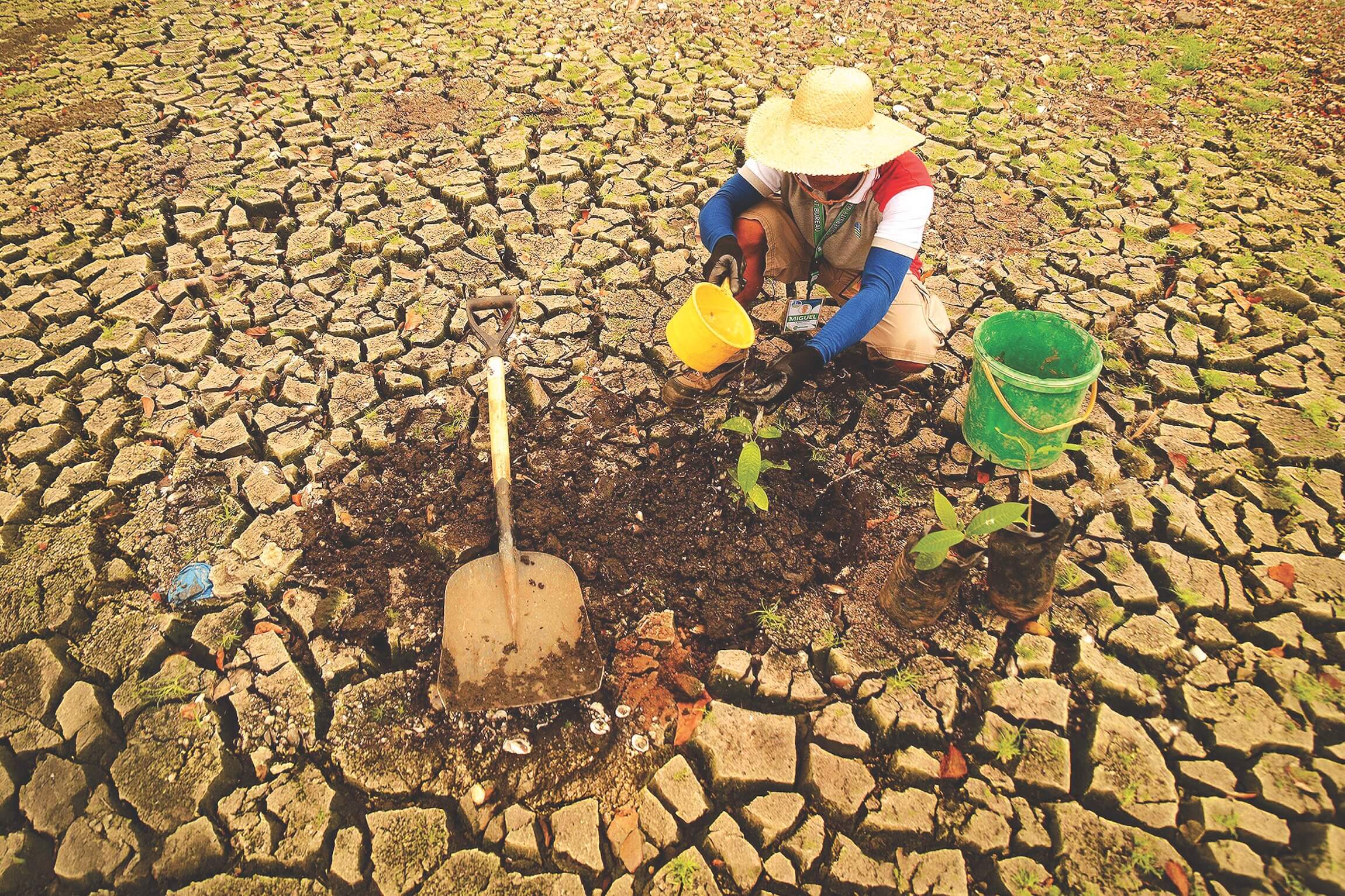
This year, the theme of the ASEAN Chairship of the Philippines, ACB’s host country, Navigating Our Future, Together, is a testament to ASEAN’s unity, clarity, and purpose in navigating the ASEAN region towards peace, stability, and inclusive growth—ASEAN’s founding values. The strategic pillars of the Philippine Chairship also emphasise the importance of transformative, inclusive, and empowering change that protects vulnerable groups, promotes shared values and identities, and strengthens cooperation, all of which are vital to sustainable development. As part of this, the ACB will recognise the second batch of the ASEAN Green Initiative (AGI). It is ASEAN’s initiative encouraging the ASEAN Member States to plant at least 10 million native trees in 10 years. The AGI is a demonstration of ASEAN’s commitment to the conservation of the region’s rich biodiversity, which is the source of ecosystem services that are vital to our survival. Collectively, these recipients have planted more than 1.4 million native trees in their respective areas.
The impacts of disasters are intensified by pollution and climate change; if we do not act now, the devastation will be significantly worse and may become irreversible. This is why the ACB is facilitating collective action among various stakeholders to ensure that policies and programmes are formed and implemented from the ground up, with the participation of communities whose lives depend on natural resources and on people who protect the natural heritage, as they also rely on them for survival and protection.
As we navigate through the challenges of the triple planetary crisis, may we be reminded that more than building resilience to adapt to the harsh impacts of disasters, there is a greater need to lay out and strengthen the foundations of good governance that foster cooperation, promote science-based policy development, and prioritise the protection and conservation of our biodiversity.