
Back in 2017, the Philippines, as ASEAN Chair, championed the ASEAN Declaration on Gender-Responsive Implementation of the ASEAN Community Vision 2025. As the current ASEAN Chair, the Philippines is advancing another ASEAN Declaration focused on the gender-transformative implementation of the ASEAN Community Vision 2045.
How does a gender-transformative approach build on ASEAN’s existing gender-responsive approach, and how will this shift help advance ASEAN’s goal of an inclusive, resilient, and sustainable Community by 2045?
A gender-transformative approach builds on ASEAN’s earlier gender-responsive efforts by moving beyond integrating gender considerations into policies to address the deeper, structural drivers of inequality. While gender-responsive approaches have been instrumental in making programmes more inclusive and responsive to the different needs of women and men, persistent gaps highlight that underlying and compounding issues—such as unequal power relations, entrenched social norms, and systemic barriers—must be confronted more directly.
As ASEAN advances towards the Community Vision 2045, there is increasing recognition that meaningful and lasting progress requires transforming the root causes of gender inequality across ASEAN. A gender-transformative approach enables this shift by promoting changes not only in policies but also in institutions, systems, and societal mindsets. This ensures that women are not just beneficiaries of development, but equal and active architects of our regional future. By building on past achievements while addressing structural inequalities, the Philippines aims to ensure that ASEAN’s gender agenda is both transformative and enduring.
This is particularly critical in areas where disparities remain pronounced, including women’s access to economic opportunities, the unequal distribution of unpaid care work, and the persistence of gender-based violence. By embedding a gender-transformative lens across all three ASEAN pillars and its strategic frameworks, ASEAN is better positioned to strengthen inclusion, enhance resilience, and ensure that development gains are both equitable and sustainable. Ultimately, this contributes to the realisation of a truly people-centred and people-oriented ASEAN Community by 2045, establishing equality not just as a policy we implement, but as the very foundation of our shared future.
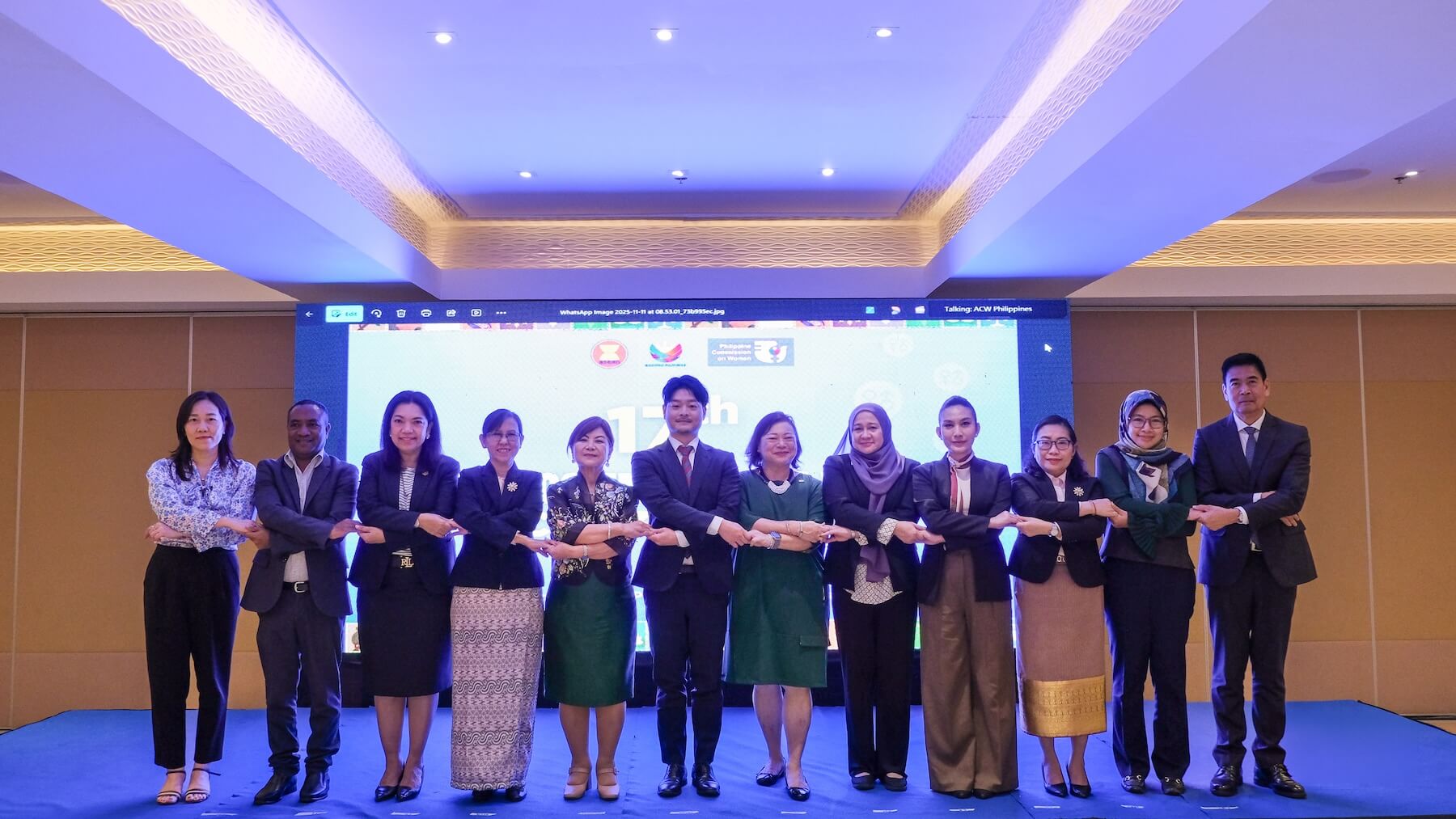
As ACW Chair, what are your views on leveraging cross-sectoral cooperation among ASCC, APSC and AEC to further mainstream and institutionalise gender perspectives, particularly in light of the ASEAN Gender Mainstreaming Strategic Framework’s implementation?
From the ACW’s perspective, cross-sectoral cooperation is paramount. Gender equality is inherently cross-cutting, intersecting deeply with the economic development mandates of the AEC, the political-security concerns of the APSC, and the socio-cultural dimensions of the ASCC.
Many of the challenges faced by women—whether in employment, access to services, climate change impacts, peace and security, emerging technologies, or participation in decision-making—are inherently intersectional. However, the capacity for intersectional planning and programming across ASEAN remains uneven. These issues are shaped by interconnected structural factors that cannot be effectively addressed within sectoral silos. Strengthening coordination among the ASCC, APSC, and AEC is therefore not only important but necessary to enable more coherent, responsive, and sustained progress toward the ASEAN Community Vision 2045. Without such cross-sectoral integration, efforts to advance gender equality risk remaining fragmented and limited in impact.
The ASEAN Gender Mainstreaming Strategic Framework (AGMSF) provides a strong foundation. Moving forward, its effective implementation will depend on how well sectoral bodies collaborate in practice. This includes strengthening cross-pillar coordination mechanisms, enhancing the collection and use of sex-disaggregated data, and building institutional capacities to apply gender analysis in sectoral policies and programmes.
Equally important is fostering joint initiatives that integrate gender and inclusion from the outset, rather than treating them as a complementary afterthought. As ACW Chair, the Philippines continues to actively advocate for a whole-of-ASEAN approach—one that firmly recognises gender equality as a shared responsibility across all pillars. This will be key to deepening and sustaining the institutionalisation of gender mainstreaming in the years ahead.
The Philippines is also championing the establishment of an ASEAN Centre of Excellence on Gender Equality and Women Empowerment this year. What does the Centre aim to achieve, and what benefits can ASEAN and its citizens—particularly women and girls—expect from its work in the coming years?
The proposed ASEAN Centre of Excellence on Gender Equality and Women Empowerment (ACE-GEWE) is envisioned as a regional hub for gender research, knowledge management, expertise, capacity-building efforts, and policy innovation to support ASEAN Member States in advancing gender equality and women’s empowerment.
At its core, the Centre is a strategic regional initiative aimed at strengthening ASEAN’s institutional capacity to systematically translate political commitments into coordinated, evidence-based, and measurable action. By providing research, policy guidance, capacity building, and regional coordination, the Centre will strengthen institutional coherence and support Member States in operationalising these commitments sustainably. It will support and empower governments and institutions while also facilitating the exchange of good practices and lessons learned across ASEAN.
The Centre is also expected to play a strategic role in addressing emerging and priority areas, including the care economy, women’s economic empowerment, and gender-responsive approaches to climate action and digital transformation. In doing so, it will help ensure that ASEAN remains adaptive and forward-looking, while keeping gender equality at the centre of its development agenda.
For ASEAN citizens—particularly women and girls—the impact of the Centre will be seen in a sustained, coordinated institutional mechanism that includes more inclusive policies, improved access to opportunities and services, and stronger systems to protect and promote their rights. Over time, it is expected to contribute to a more coherent, coordinated, and results-oriented approach to gender mainstreaming across the region.
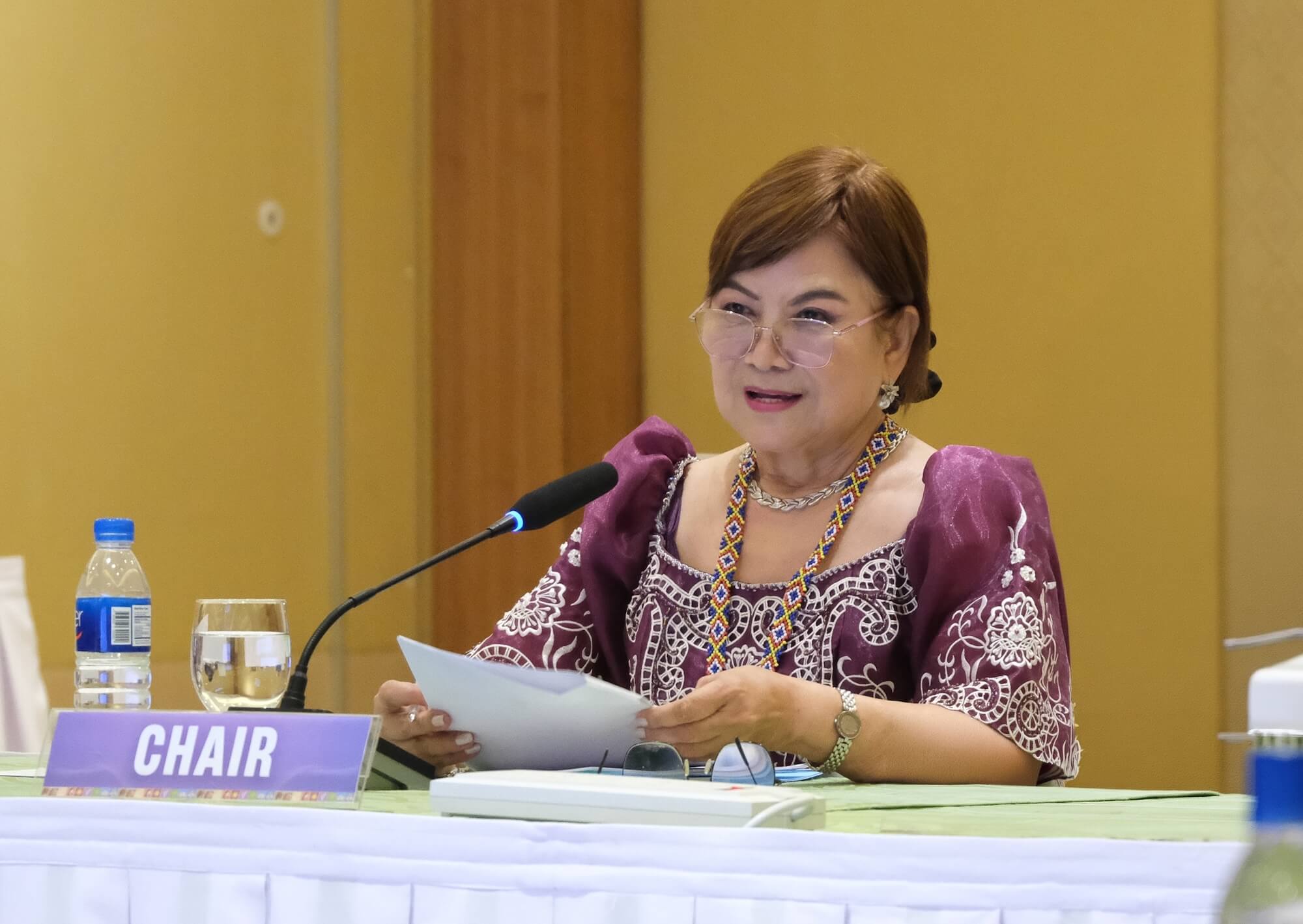
During the Philippines’ ASEAN Chair year, how does the Philippines view the role and leadership of women and girls in advancing ASEAN’s gender equality agenda, and how will it champion these efforts across the ASEAN Community?
The Philippines firmly views women and girls as central to advancing ASEAN’s gender equality agenda—not only as beneficiaries of development, but as leaders and active partners in shaping it. Across the region, women play vital roles in governance, economic development, community-building, and peace and security. However, their contributions are not always fully recognised or supported.
As ACW Chair, the Philippines is committed to creating more opportunities to elevate and strengthen women’s leadership. This includes convening the 4th ASEAN Women Leaders’ Summit, anchored on the theme “The Year of Women’s Leadership for Inclusive Prosperity in the ASEAN Region,” and advancing regional cooperation on women’s economic empowerment and the care economy through the ASEAN High-Level Conference on the Care Economy.
At the same time, promoting women’s leadership requires addressing the structural barriers that limit their participation. This includes advocating for policies that expand women’s access to decision-making spaces, enhance economic opportunities, and support a more equitable distribution of unpaid care and domestic work.
Through these efforts, the Philippines aims to ensure that women and girls are not only included in ASEAN’s development processes, but are actively shaping its future and contributing to a more inclusive, resilient, and sustainable ASEAN Community.