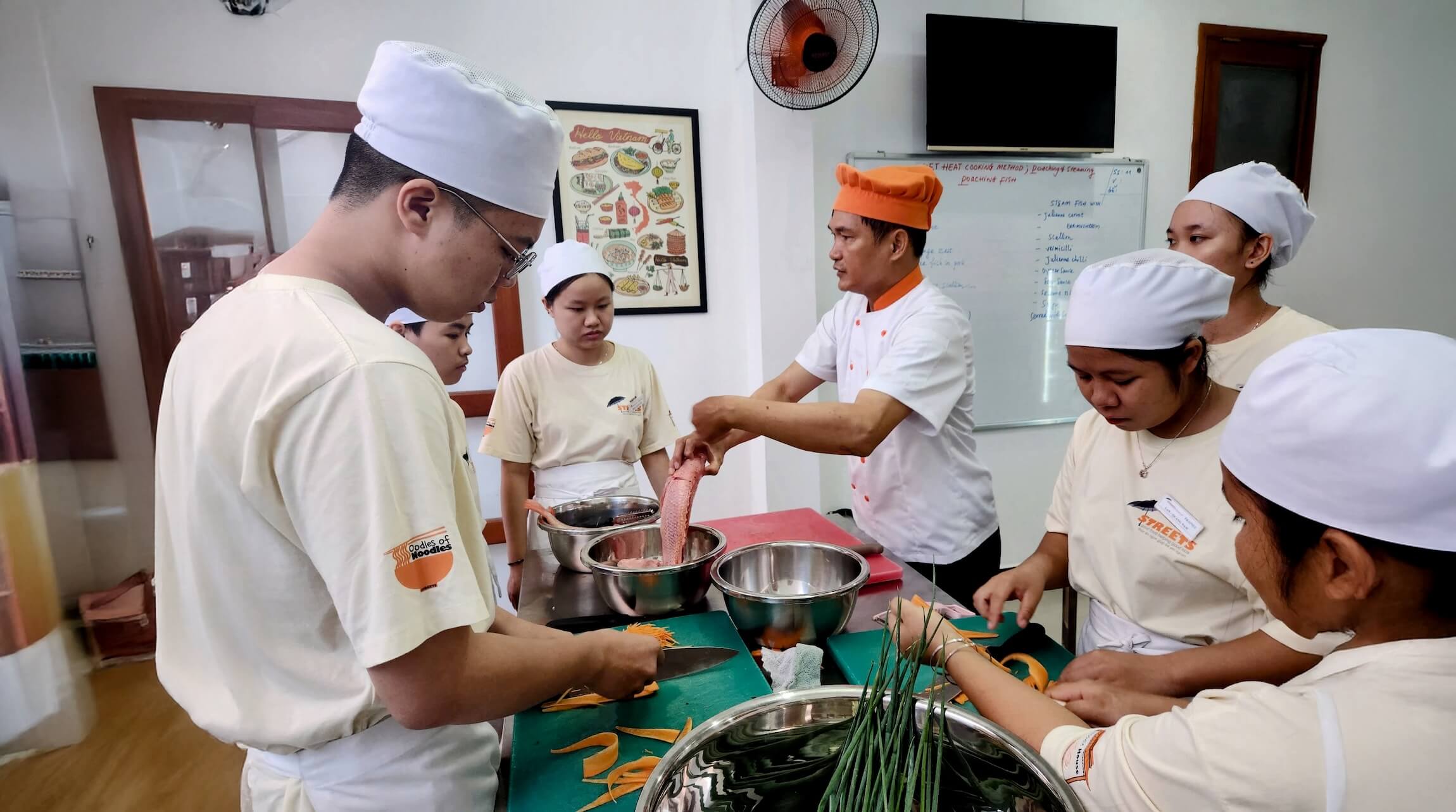


Founded in 2009 in the heritage town of Hoi An, Viet Nam, STREETS International is a 14-month culinary and hospitality training programme that opens doors for disadvantaged youth aged 17 to 25. The programme is entirely free and goes well beyond technical training. Each trainee receives classroom lessons paired with hands-on practice in professional kitchens and hospitality services, along with nutritious meals, supervised housing, uniforms, a modest monthly allowance, basic healthcare, and a supportive community. To date, STREETS has helped over 500 graduates build careers in hotels, restaurants, and resorts across Viet Nam.
Hoi An, with its lantern-lit streets and yellow-walled shophouses, is a UNESCO World Heritage Site that draws visitors from all over the world. Travellers come for the city’s tailor-made clothes, the delicate white rose dumpling, and the long, sunlit beaches. For many local children, though, tourism once felt distant. They watched visitors drift past while they faced the uncertainty of daily survival. Among them were Nguyen Van Sau, 32, and Ngo Le Huyen Trang, 27. Sau’s father was severely injured in an accident and could no longer work. His mother sold sticky rice cakes and farmed to keep the family afloat. Sau and his brother spent their childhood at a children’s home, where they received care and could continue their education. Trang, meanwhile, never knew her father. Her mother sold noodles at the morning market and worked in the fields in the afternoon. Food was often scarce, and their house was little more than a single room beneath a corrugated roof. Sau fi rst learnt about STREETS while still in high school, through an NGO that supported him. “At that time, I just thought about getting a job to help my family,” he recalls. Tourism had never crossed his mind until he met an older boy from the children’s home who had graduated from STREETS and was then working at a five-star resort in Hoi An. “He became my role model. I wished I could follow a similar path,” Sau says. For Trang, the decision came after fi nishing school. “After I graduated from high school, I couldn’t afford higher education,” she says. “Around that time, I learnt about the STREETS programme, which supports disadvantaged youth in learning English and starting careers in the tourism industry. Honestly, I did not know much about tourism at that time, and I was quite weak in English.” Growing up in a city that attracted tourists sparked her desire to communicate with foreigners. “The desire to interact and communicate with foreigners burned within me,” she adds. Trang still remembers her fi rst day as an intern, nervously weaving between tables with a tray in hand. “I was very excited to serve and speak with customers,” she says. That excitement quickly turned into panic when a beer bottle slipped from her tray and spilt onto a guest’s leg. “I was terrified at that moment. I did not want to continue serving. I was afraid I would keep making mistakes.” A supervisor reassured her: “My supervisor said, ‘We all make mistakes, but every mistake is a lesson. You can face it and handle it. Keep going—I’ve got your back.’”

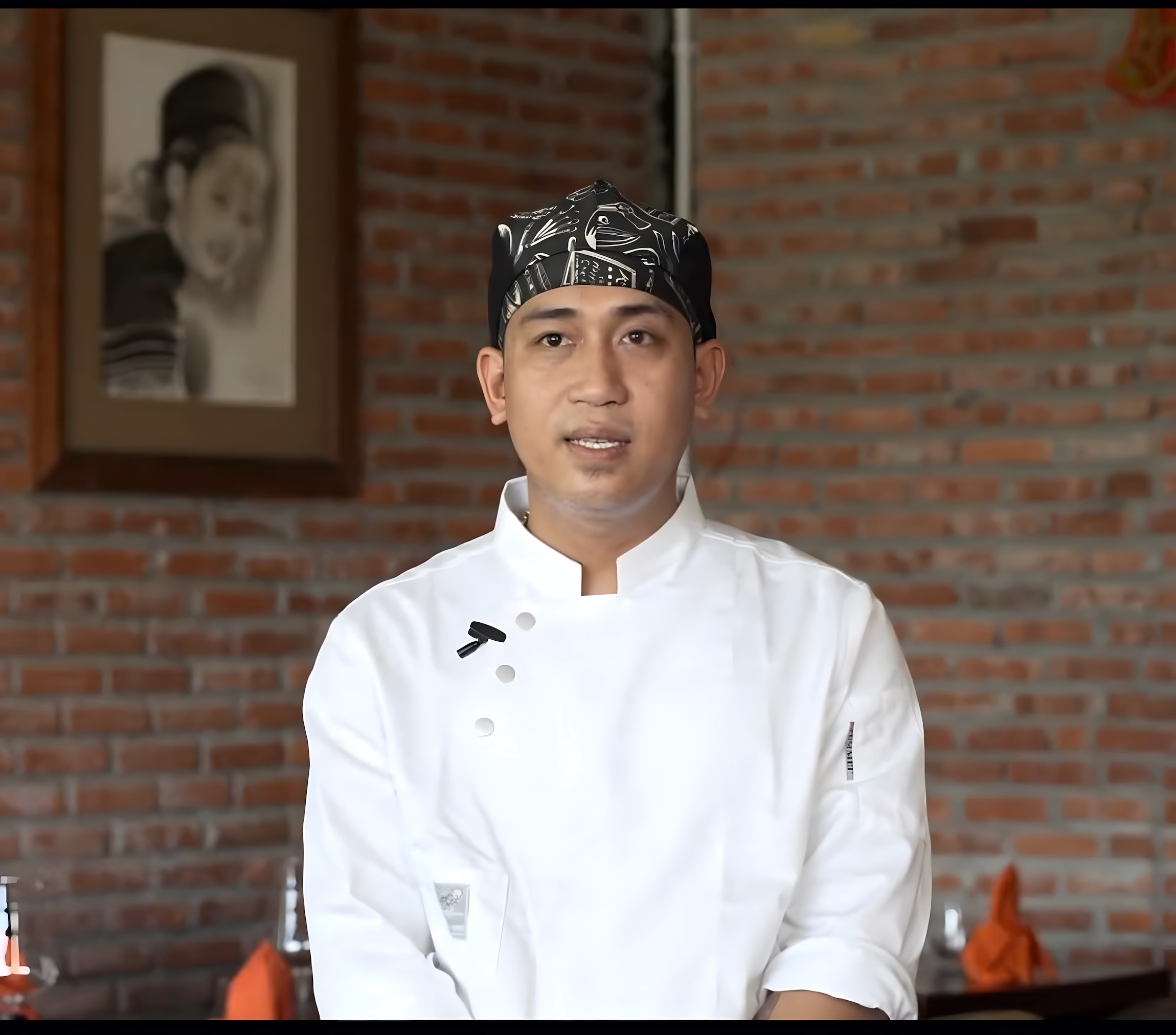
The kindness of the guest and the encouragement of her supervisor stayed with her and became a lesson she now shares with the trainees she supervises. After graduating, Trang joined a large resort as a server, rose to the position of restaurant captain, and eventually became a guest relations offi cer. This last role broadened her skills and brought her into contact with guests from around the world. Sau led a similar story. He began as a commis chef in the kitchen and worked his way up to become a chef. After several years of honing his skills in five- star hotels through discipline and hard work, he opened his own restaurant, the Hoi An Riverside Steak House. Its success later inspired him to launch a second venture, an artisanal smoked- barbecue restaurant popular with both locals and visitors. “When I first graduated, I didn’t focus too much on salary; I focused on what kind of work I would do and whether I would work with skilled professionals who could teach me. I wanted to continue learning and improving my skills and knowledge,” Sau reveals. “In hospitality, your reputation follows you. This industry is small, and you will meet the same people again and again. That’s what I tell other graduates: focus on learning, be dedicated, and protect your reputation,” he adds.
Stronger after the pandemic
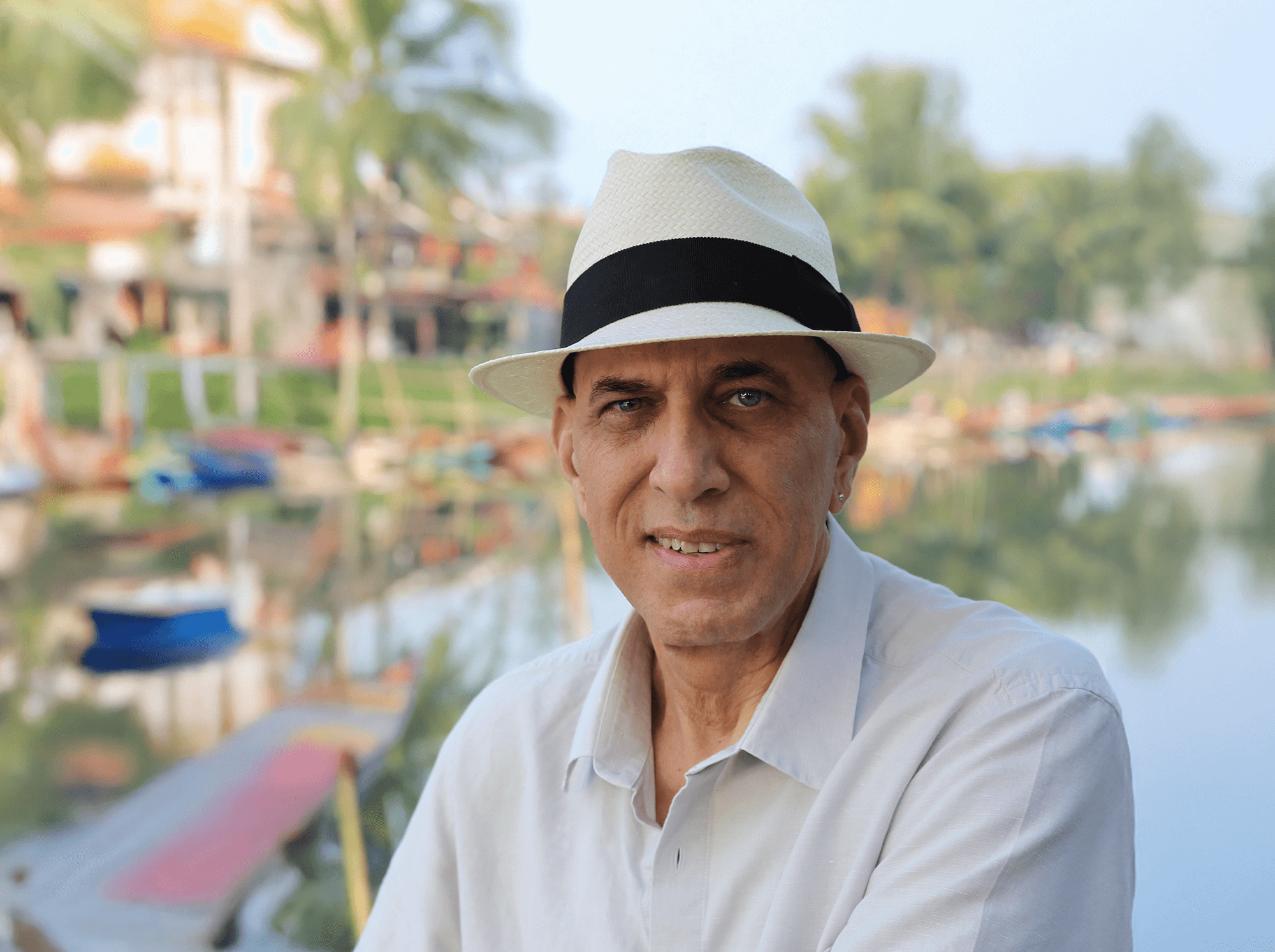
The COVID-19 pandemic, however, had a severe impact on the hospitality sector. “I could not work and could not afford to pay my bills, and once again, STREETS stepped in to support me and many other alumni during that diffi cult time,” Trang recalls. The programme itself had to close temporarily, and many feared it would never return. “We thought it would be very diffi cult for the programme to come back. But one sunny day, I received a message from my former teacher announcing that STREETS would be reopening. We were overjoyed, and I immediately agreed to return as a hospitality supervisor and help relaunch the programme. The happiness and growing confi dence in the smiles of new trainees, also from disadvantaged backgrounds, refl ect my younger self. This satisfaction motivates me every day,” Trang reveals. While Trang returned as a supervisor, Sau became the fi rst STREETS alumnus to sponsor a trainee through the entire programme. He also serves on the STREETS International Professional Advisory Board. Sau shares the same values as STREETS and believes that preserving Hoi An’s heritage is essential for sustaining tourism and creating more opportunities for young people. “Young people have a lot of energy, but we need to put in the effort and hard work that is required to grow in the industry. My advice is to focus on two important skills: professional culinary or hospitality skills and foreign languages— especially English. Those are exactly what STREETS gave me, and they are the foundation for building a good career in tourism,” he says. The resilience of graduates like Trang and Sau continues to inspire STREETS founder Neal Bermas. For him, their journeys prove that a complicated past does not have to defi ne a young person’s future. What matters is guidance, opportunity, and the confi dence to see possibilities beyond their circumstances. “I am proud of the success of our distinctly ambitious programme,” he explains. “Ninety-six per cent of our alumni are employed, 77 per cent remain in the tourism industry, and nearly 60 per cent have risen to supervisory or management roles. Close to 10 per cent now run their own businesses. That is impact. That is self-suffi ciency. That is dignity. I am so proud that STREETS has led these transformations.” Bermas has also witnessed Viet Nam’s transformation over the past 15 years. Data from the World Bank show that the country’s GDP has grown from about 100 billion US dollars in 2009 to nearly 500 billion US dollars today. Bermas notes that tourism has driven much of this growth. He points to the country’s welcoming culture, family-oriented society, safety, affordable travel, excellent food, and young population as key strengths for the industry. Yet he also notes that progress brings new challenges. “I want to emphasise a needed and urgent focus: tourism impact and sustainability. Viet Nam and Southeast Asia must plan for a bright future through sound government policies, strategic business development, and community engagement. We must and can avoid the future we already see in over-tourism in places like Barcelona, Amsterdam, Majorca, Venice, and Paris. Those once beautiful cities now face severe deterioration of their communities, housing, and services—the culprit, unbridled over-tourism.” “We all need to be mindful and serious about impact and sustainability. I believe the youth must be part of the solution. Without decades of ties to old practices and greedy enterprises, they have the possibility of leading a sustainable future. I want to share this warning and the possibilities,” Bermas concludes.