
When we think of groundbreaking scientific achievements, names like Darwin and Alexander Graham Bell often come to mind. Rarely do we hear the names of the many women whose contributions have also been transformative. While women have always been involved in STEM (Science, Technology, Engineering, and Mathematics), their contributions have often been overlooked or downplayed. Today, despite growing efforts toward gender equality, women are still significantly underrepresented in STEM fields across Southeast Asia. These disciplines are at the heart of solutions to today’s most pressing challenges—innovation, climate resilience, and sustainable development—yet they remain largely male-dominated. Addressing STEM’s “leaky pipeline” of lost female talent will not only bridge a critical skills gap but also accelerate progress on urgent global challenges. A more diverse STEM workforce brings broader perspectives, innovative thinking, and inclusive solutions.
The ASEAN-UK Women in STEM Scholarship established in 2023 under the Supporting the Advancement of Girls Education (SAGE) programme, is working to change that narrative. Established through a partnership between the UK government and the ASEAN Secretariat, this initiative offers postgraduate scholarships for outstanding women across ASEAN to study in the UK–creating new pathways for leadership, inclusion, and regional cooperation.
The scholarship is expanding the pool of ASEAN women who are establishing themselves in fields that have long excluded women: engineering, urban planning, climate finance, and data science. They are charting new territories, not just for themselves, but for the women who will follow.
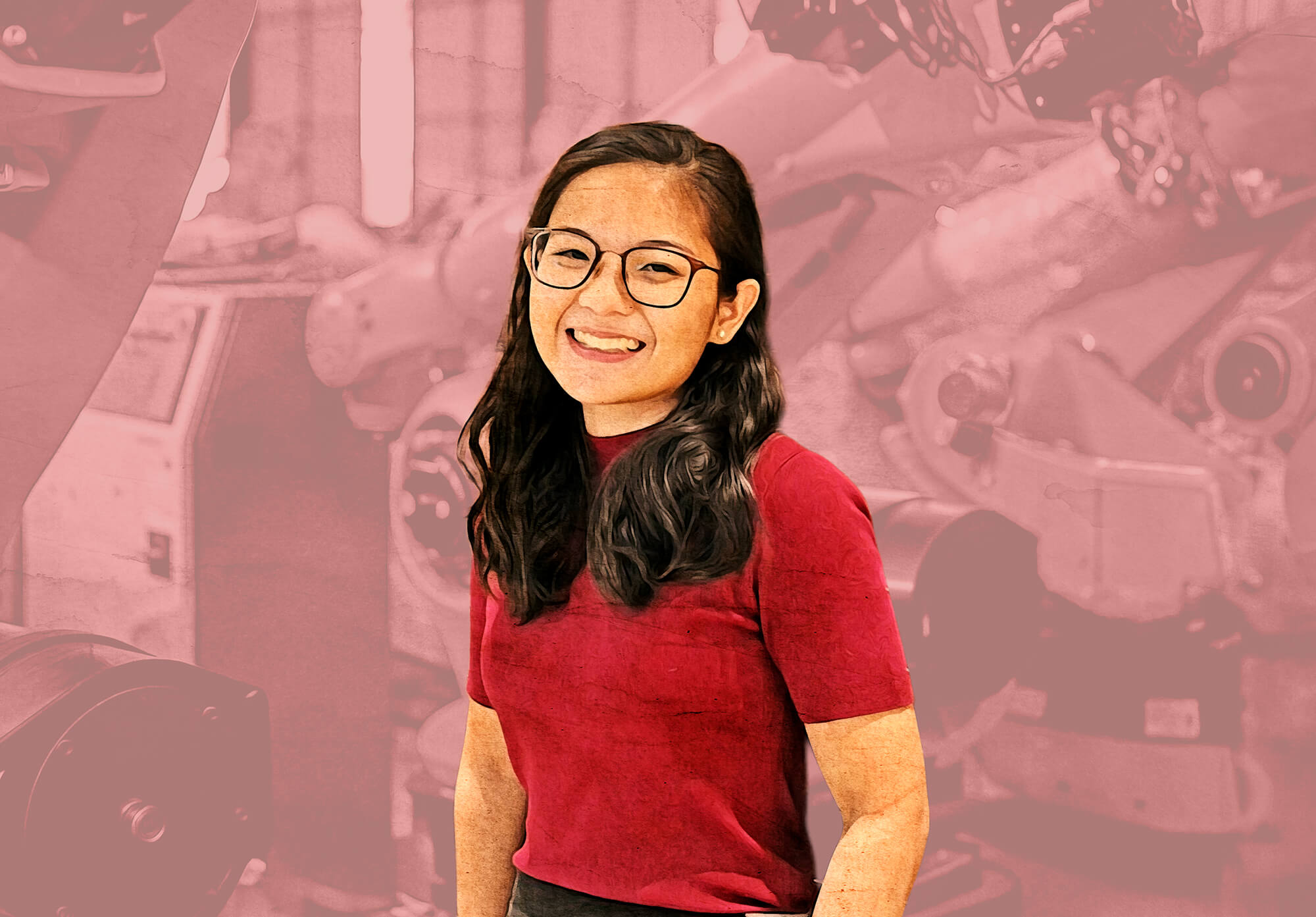
Maria Andrea Kristina Anglao
Philippines
Growing up in the Philippines, Andrea was drawn to the logic and design of industrial engineering. But her curiosity didn’t stop there; she began exploring environmental science and, more recently, coding in Python. She was captivated by how data could be used not just to solve problems, but to drive decisions in climate action and public policy.
Before receiving the ASEAN-UK Women in STEM scholarship, Andrea had started her career at a local tech startup focused on sustainability. “It felt like I was building something real,” she says. “But I also knew I needed more knowledge and a wider lens.”
What she often found discouraging, though, was the subtle, and sometimes overt, messaging that women weren’t meant for this kind of work. “In many households, girls are still raised to focus on domestic responsibilities. Even in the workplace, there’s still this sense that women don’t quite belong in technical spaces.”
The UK changed that for her. “Being in such a diverse academic environment, surrounded by people from so many different cultures, opened my eyes to how much more we can do when everyone’s voice is heard.”
Andrea now envisions a future where she blends her skills in data science with policy development. She dreams of helping governments design smarter, more inclusive, and more sustainable solutions. “If we want women to thrive in STEM, we need to fund their research and open the space,” she adds. “It’s not just about representation, it’s about what we all stand to gain.”
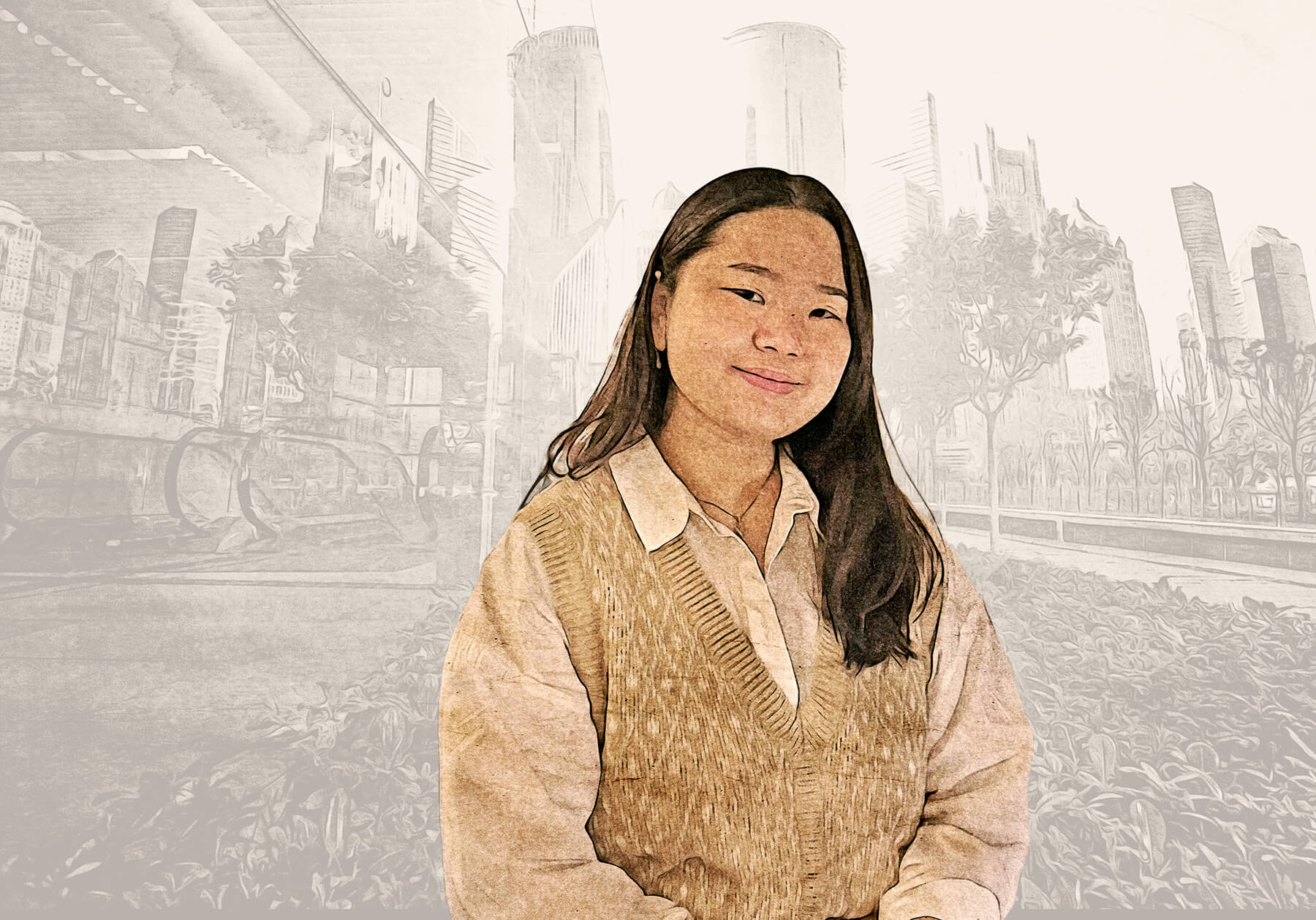
Sari Eloise Yemima
Indonesia
Eloise’s path has never followed a single trajectory. With a degree in computer science, she worked in banking and IT consultancy before finding her calling in environmental sustainability. But throughout those years, one thing remained constant: a desire to empower other women.
Her experience was shaped not only by the lack of female peers, but also by the absence of visible mentors. “There was no one to look up to. I had to imagine the version of myself I wanted to become.”
Through the ASEAN-UK Women in STEM scholarship, Eloise found more than an education; she found a platform. She is using this opportunity to broaden her horizons by working across sectors and gaining insights she hopes to bring back to Indonesia. But more than that, she wants to teach.
“I want to mentor other young girls, share my story, and build networks of women in tech and sustainability. We need to break the stigma that women are less capable in STEM. The truth is, we bring something unique–our perspective, our empathy, our vision for the future.”
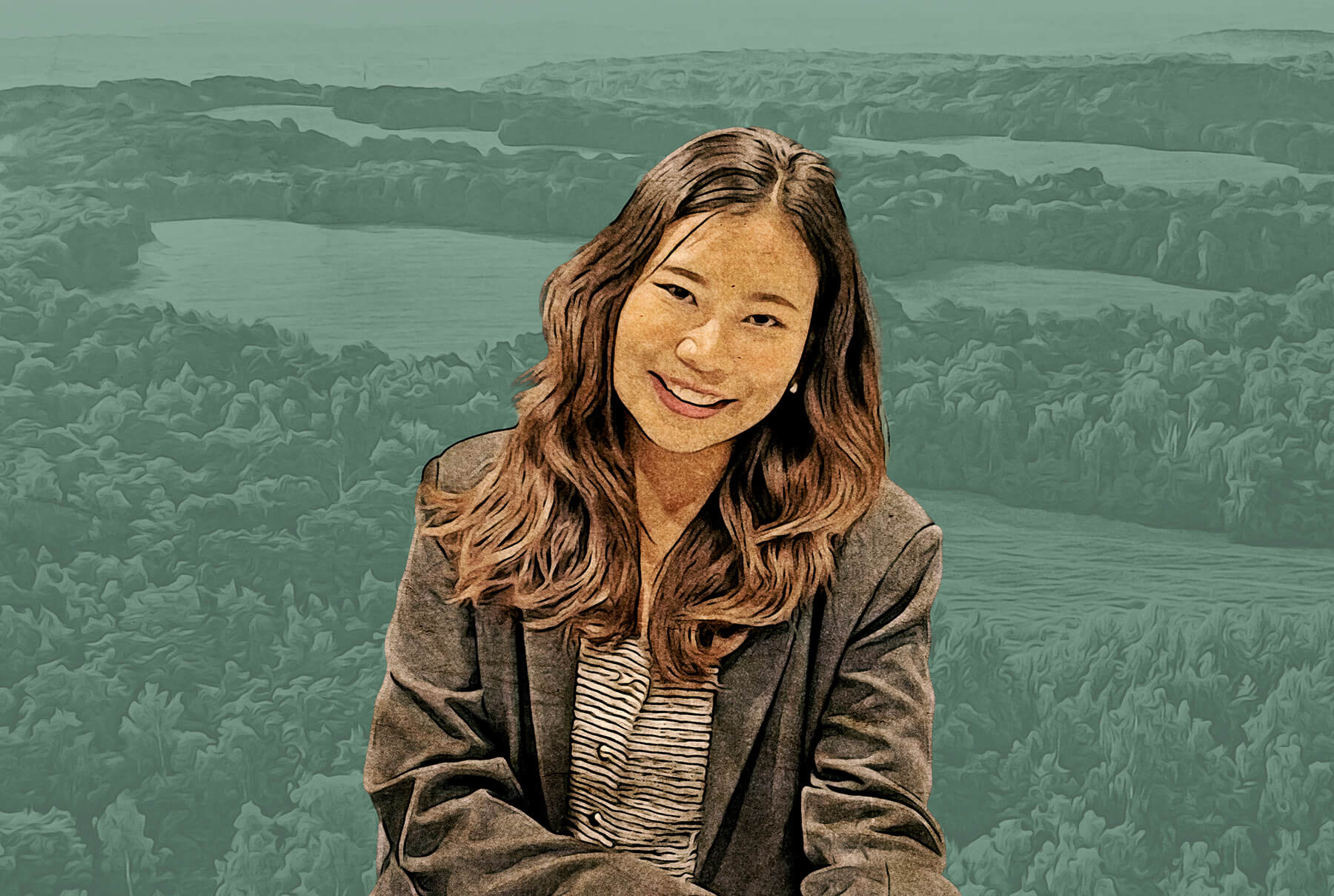
Punnapa Yoswaris “Rose”
Thailand
For Rose, STEM wasn’t a destination she planned; it was one she felt called to. With an extensive background in political science and social enterprise, she spent over a year working with a non-governmental organisation supporting small businesses in Thailand. But as she engaged with questions of inclusion and sustainability, one issue kept surfacing: climate change.
“I became fascinated with climate finance–how we can integrate sustainability into business and policy,” she explains. “That’s where STEM comes in. It’s not just numbers and codes, it’s about systems, compliance, and the future of our economies.”
Rose has always seen the UK as a leader in climate commitment, and when she received the ASEAN-UK Women in STEM scholarship, she felt like she’d found her learning ground. “In the UK, I saw what’s possible. I saw how diversity enriches innovation.”
Back home, she faced the same challenges many women in Thailand do. In universities and industries alike, STEM remains male dominated, and the social stigma lingers. “People still think STEM is not for women. But without diversity, how can we expect better outcomes?”
Her vision goes beyond borders. Rose hopes to work across ASEAN, helping businesses understand climate regulation and financing climate adaptation. “ASEAN is fragile in the face of climate change. If we don’t collaborate now, the cost will be too high later. Women must be part of that collaboration.”
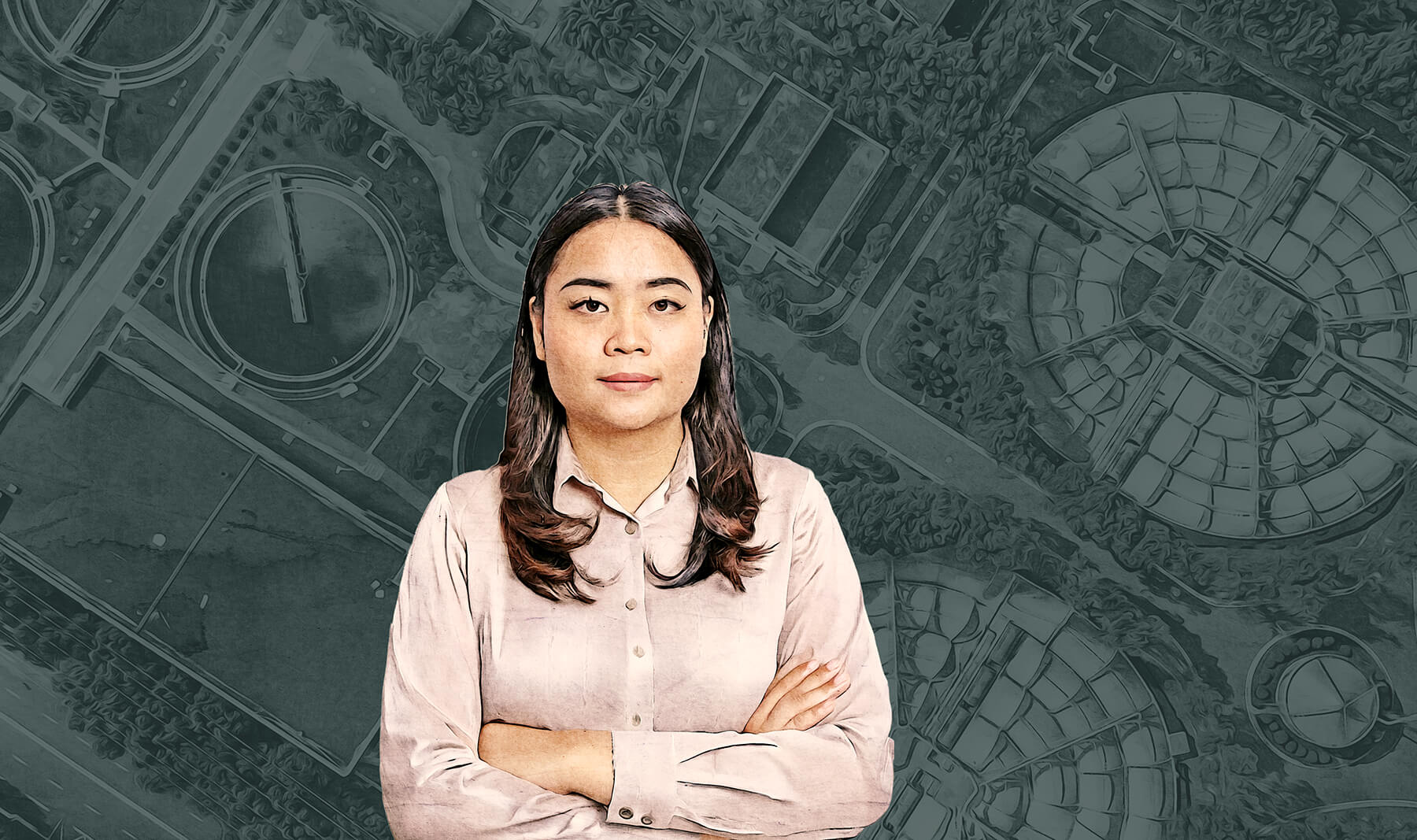
Elsya Patresia
Indonesia
Elsya’s early career was rooted in hard industry–civil engineering in the mining fields of Kalimantan. But the longer she stayed, the more uneasy she became about the environmental impact of her work. “I realised I wanted to build, not extract,” she recalls.
Her shift toward sustainable manufacturing came with many doubts, from others and, at times, even herself. “There’s a belief that women can’t do the ‘tough’ jobs. On the field, people often assume we’re not strong enough.”
But Elsya believes women’s strengths lie elsewhere. “We’re good at managing conflict, solving problems creatively, and looking at the long-term human impact.”
Through the scholarship, she is now refining her expertise in sustainable systems and hopes to return to Indonesia to work in government. “Policy is where change begins. I want to help shape the kind of future I once thought I could only work around.”
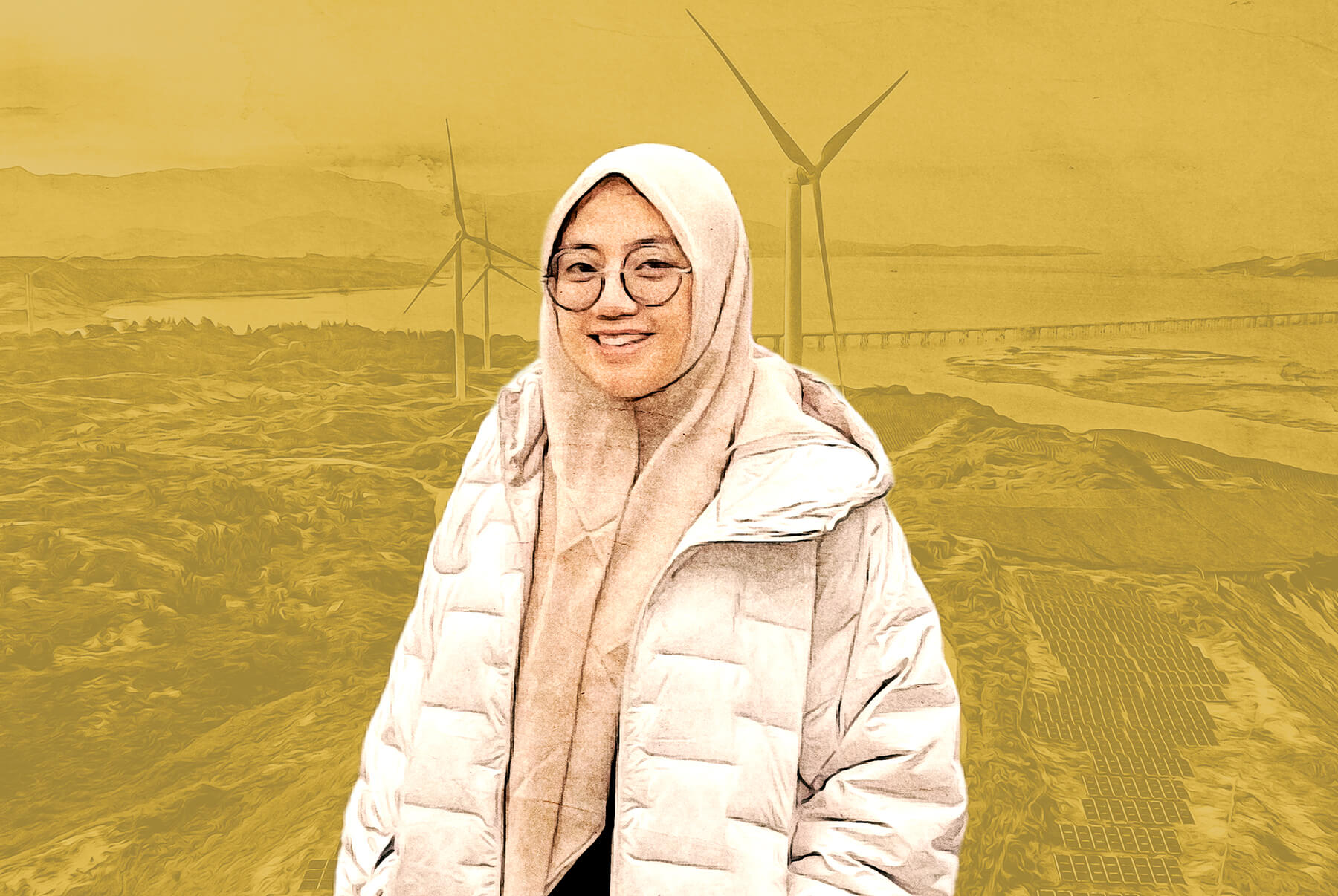
Nava Neilulfar Alvi
Indonesia
For Nava, ambition always burned quietly, especially in a system that offered so few opportunities. Based in a local government office in one of Indonesia’s lesser-developed regions, she worked in urban planning for seven years, watching as male colleagues steadily rose through the ranks.
“There’s meritocracy, but only for a few,” she says. “It’s hard to study abroad or move ahead when you’re from a remote area. But I knew if I didn’t try, nothing would change.”
The ASEAN-UK Women in STEM scholarship gave her that leap. In the UK, she has been exposed to cutting-edge thinking and new global perspectives on urban development and social equity. But her mind is always on home.
“When I return, I want to apply what I’ve learned in practical, tangible ways, particularly for the outermost and least developed regions. We need to show young people there that ambition isn’t just a dream, it’s a starting point.”
For Nava, STEM must reflect the dynamism of society. “It’s not static. It evolves with us. And women, especially those from underrepresented areas, must be part of that evolution.”
From access to action: A regional shift in motion
Each of these women carries a story of quiet resilience, of daring to dream beyond boundaries set by tradition or geography. Together, they reflect a growing movement—one where ASEAN women are not only stepping into STEM but reshaping its purpose and reach.
The ASEAN-UK Women in STEM Scholarship is not simply about academic mobility. It’s about rewriting access, expanding possibilities, and nurturing leadership that reflects the full diversity of the region. By championing these scholars, the UK affirms its commitment to global equity, sustainable development, and the transformative power of education.
And as these scholars prepare to return to their home countries with degrees, new skills, and renewed purpose, they do not return alone. They carry with them new networks, new confidence, and a message that echoes across borders: women belong in STEM. And when they are given the tools and trust, they don’t just contribute–they lead.
Read more about ASEAN-UK Women in STEM Scholarship: https://www.britishcouncil.id/en/programmes/education/asean-uk-sage/women-in-stem-scholarships
The views and opinions in this article are solely those of the author and do not represent the policy or official position of ASEAN.