
Viet Nam’s tourism sector has staged a remarkable post-pandemic recovery, emerging as one of Southeast Asia’s fastest-growing destinations. Following the reopening in 2022, international arrivals rose from 3.7 million in 2022 to approximately 17.6 million in 2024, equivalent to 98 per cent of pre-pandemic levels. Momentum continued into 2025, with around 15.4 million international visitors in the fi rst nine months of the year, while domestic travel remained strong at 119 million trips. Tourism revenue also refl ected this resurgence, highlighting tourism as a key driver of Viet Nam’s economic growth.
The post-pandemic rebound has been fuelled by both pent-up demand and improvements that make Viet Nam more accessible and attractive. Expanding air connectivity, promotional campaigns, and the reopening of key source markets have drawn visitors from Northeast Asia, ASEAN, Europe, and beyond. Seasonal and event tourism, including cultural festivals, film-driven promotions, and MICE activities, has lengthened visitor stays and increased expenditure. The sector’s infrastructure has expanded considerably. In 2025, Viet Nam boasts over 40,000 accommodation establishments with 700,000 rooms, alongside more than 4,200 tour operators and over 44,000 licensed tour guides, reflecting the rapid growth and professionalisation of the industry.
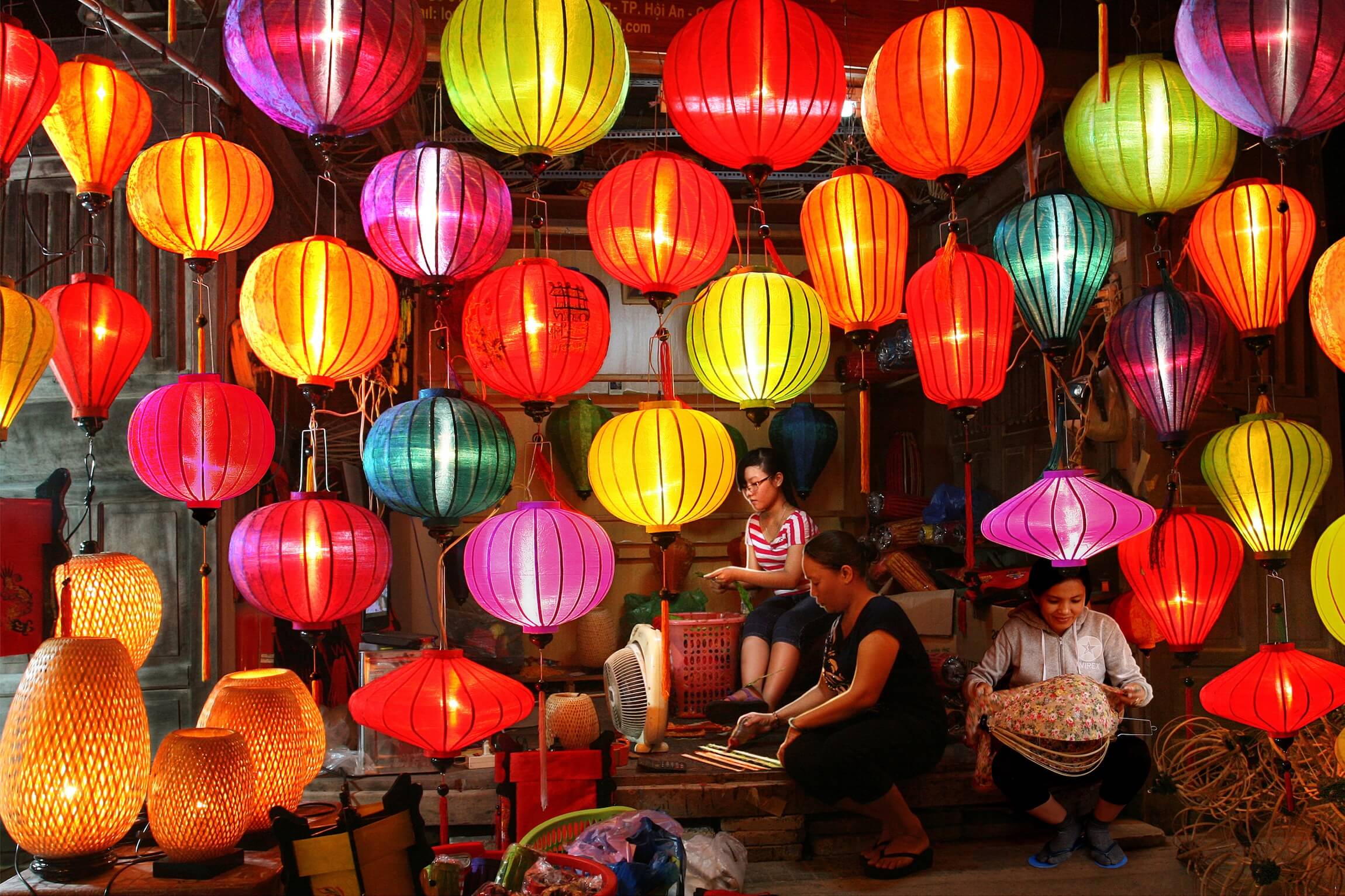
Viet Nam’s appeal lies in its rich combination of natural and cultural assets. Iconic sites such as Ha Long Bay, the imperial city of Hue, the ancient town of Hoi An, the heritage streets of Ha Noi, and the vibrant life of Ho Chi Minh City, alongside coastal destinations such as Da Nang, Phu Quoc and Nha Trang, remain strong draws. New tourism offerings, including rural tourism, community-based homestays, nightlife tourism, railway journeys, and culinary routes, have broadened visitor flows to secondary and rural destinations. Film and media campaigns, both domestic and international, have strengthened Viet Nam’s storytelling and global profile.
The government and the Ministry of Culture, Sports and Tourism have implemented timely policies and infrastructure measures to support recovery and growth. Visa facilitation has been expanded through e-visas, extended short-stay visa exemptions, and multi-entry options of up to 90 days for many countries. Digitalisation has been accelerated, with online booking platforms, e-visa processing, and digital payment systems reducing friction for visitors and operators alike. Cross-sector collaboration with aviation, rail, agriculture, culture, and healthcare has created integrated tourism experiences.

Financial and regulatory measures have further strengthened the business environment. The recent application of production-level electricity tariffs to accommodation aims to reduce operating costs for hotels, allowing reinvestment in service quality. During COVID-19, relief measures, such as tax breaks, fee reductions, and financial support for guides and small operators, helped preserve capacity and enabled a rapid bounce-back. National frameworks, including the National Tourism System Plan 2021-2030 with a vision to 2045, the Tourism Development Strategy to 2030 and the Tourism Marketing Strategy to 2030, have provided clear guidance for coordinated recovery and modernisation.
Viet Nam is now moving from recovery to transformation. The Viet Nam National Authority of Tourism has prioritised smart tourism, promoting the use of digital tools for destination management and visitor services. Product innovation, including night tourism, agritourism, cultural circuits, and community-based offerings, diversifies revenue streams and reduces seasonality. Sustainability is central to planning and regulation, with environmental protection, responsible tourism, and local benefit increasingly emphasised.
Viet Nam’s post-pandemic achievements have also been internationally recognised. The World Travel Awards has honoured Vietnam five times as the “World’s Leading Heritage Destination” and six times as “Asia’s Leading Destination.” The Viet Nam National Authority of Tourism has been named “Asia’s Leading Tourism Authority” four times: 2017, 2021, 2022, and 2023. Additionally, in the period of 2022-2025, five Vietnamese villages have been recognised as Best Tourism Villages by UN Tourism, highlighting the country’s excellence in community-based and sustainable tourism, namely Thai Hai, Tan Hoa, Tra Que, Lo Lo Chai, and Quynh Son. These accolades reflect Vietnam’s strong performance in destination management, product innovation, and service quality, while also signalling the country’s growing reputation on the global tourism stage.

Looking forward, Viet Nam’s master plan sets ambitious targets: 35 million international visitors by 2030, creating 10.5 million jobs and contributing 13 to 14 per cent of GDP. Achieving these goals will require continued investment in infrastructure, digital transformation, sustainable destination management, talent development, and stronger branding in key source markets.
The accomplishments of Viet Nam’s tourism sector are underpinned by steadfast government support, proactive coordination among ministries, active engagement of local authorities, the commitment of enterprises, and the dedication of tourism professionals nationwide. With ambition, innovation, and confidence in the future, Viet Nam is well prepared to enter a new phase of tourism development—one that is comprehensive, professional, and sustainable—cementing its role as a strategic economic sector and advancing the nation’s aspiration for prosperity and global recognition in the new era.