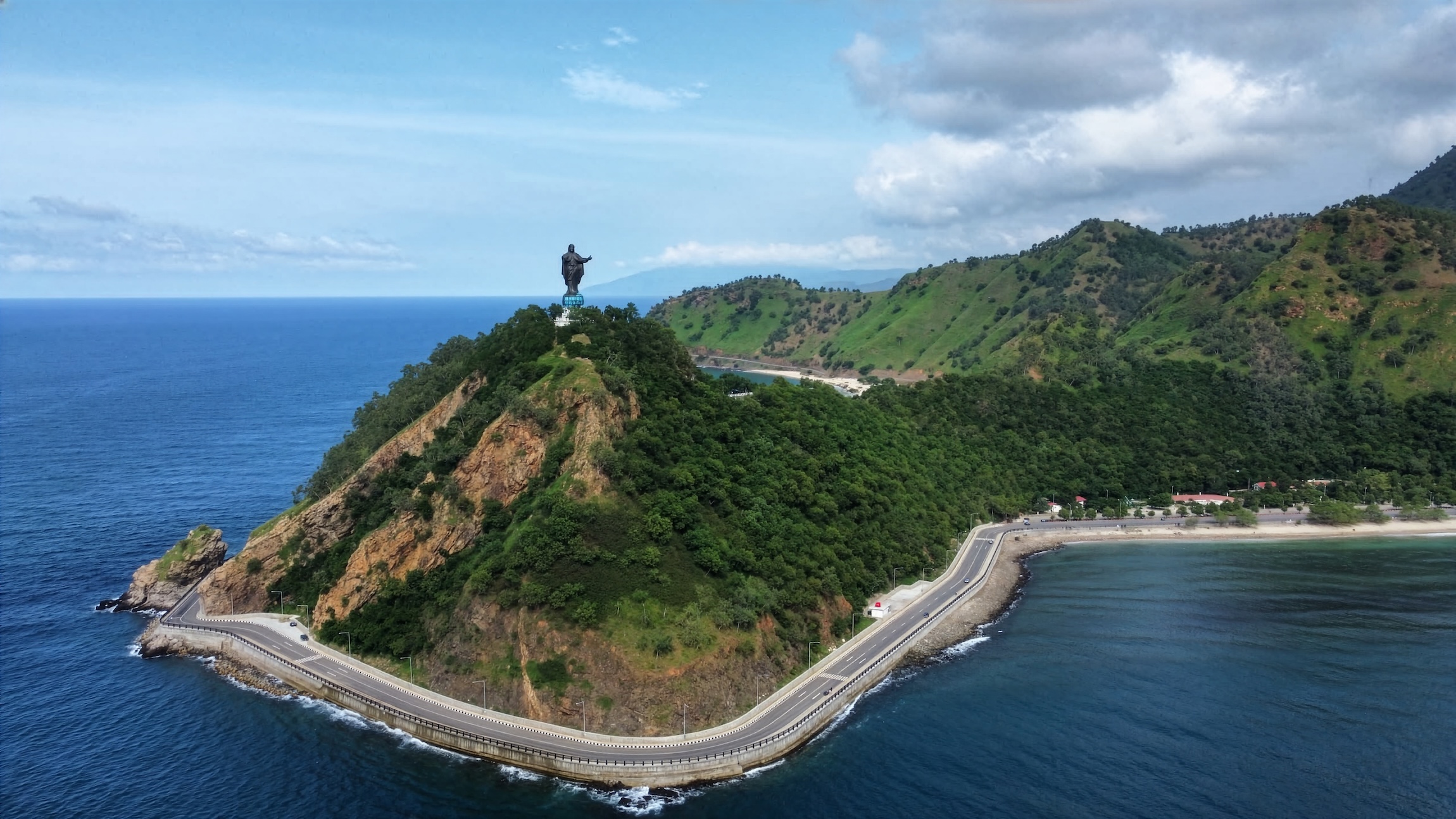
As Timor-Leste formally accedes to ASEAN as the organisation's 11th member, tourism stands as a cornerstone of our nation's economic transformation. Our vision is clear: to develop a sustainable, inclusive, and well-managed tourism sector that leverages our extraordinary natural assets, vibrant cultural heritage, and strategic location in Southeast Asia's most biodiverse region.
Exceptional tourism assets position Timor-Leste uniquely
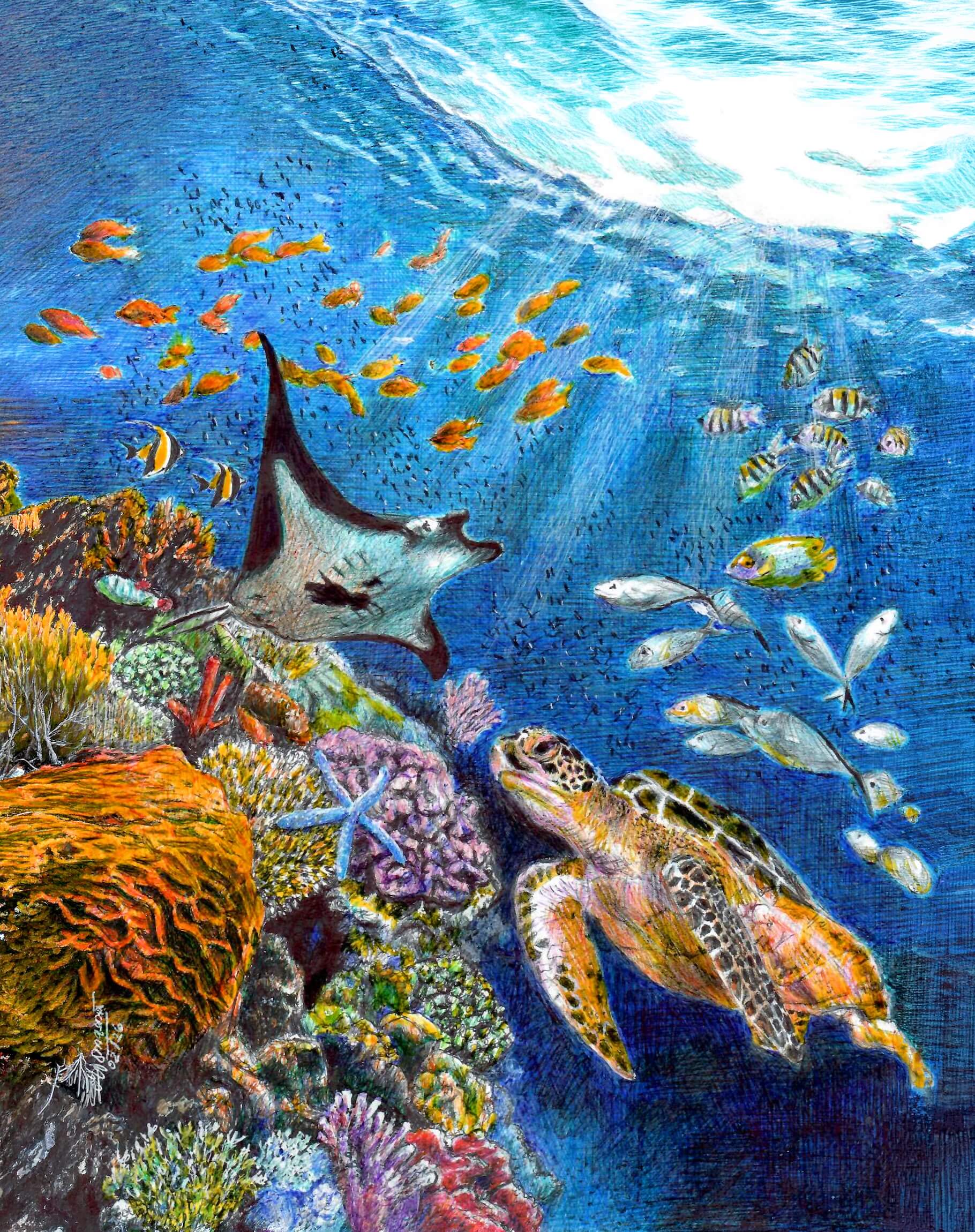
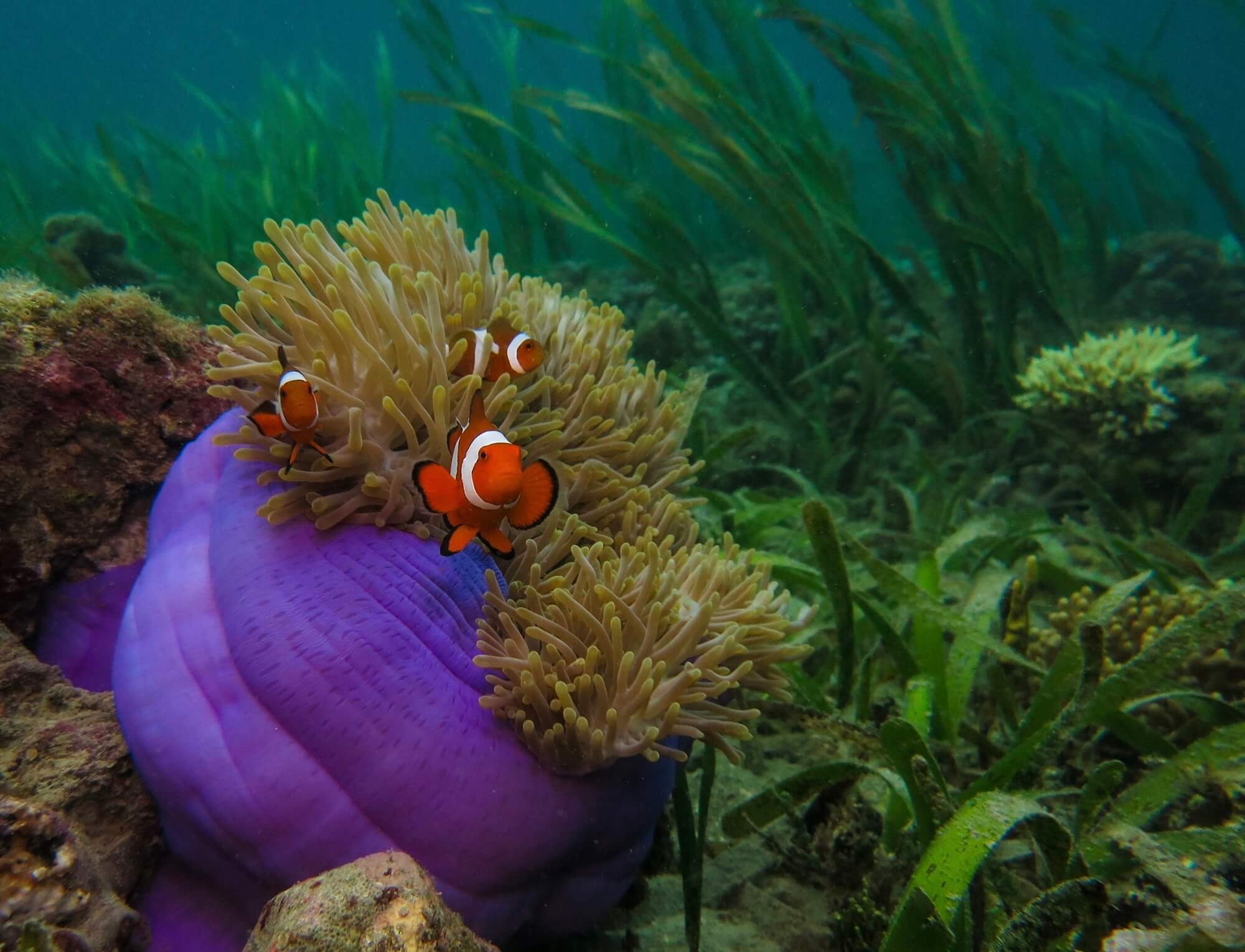
Located in the heart of the Coral Triangle, Timor-Leste has the world’s most biodiverse waters, including over 1,200 species of reef fish, 400 reef-building coral species, one-third of the world’s whale and dolphin species, and six of the seven species of sea turtles. Our marine biodiversity represents our most compelling asset for attracting visitors.
Our terrestrial landscape is equally impressive. We have the grand Nino Konis Santana National Park, established in 2007 as the country’s first national park. Additionally, the entire country features 2,448 identified species of flora and fauna, including 258 bird species, 97 mammal species, and 865 plant species.
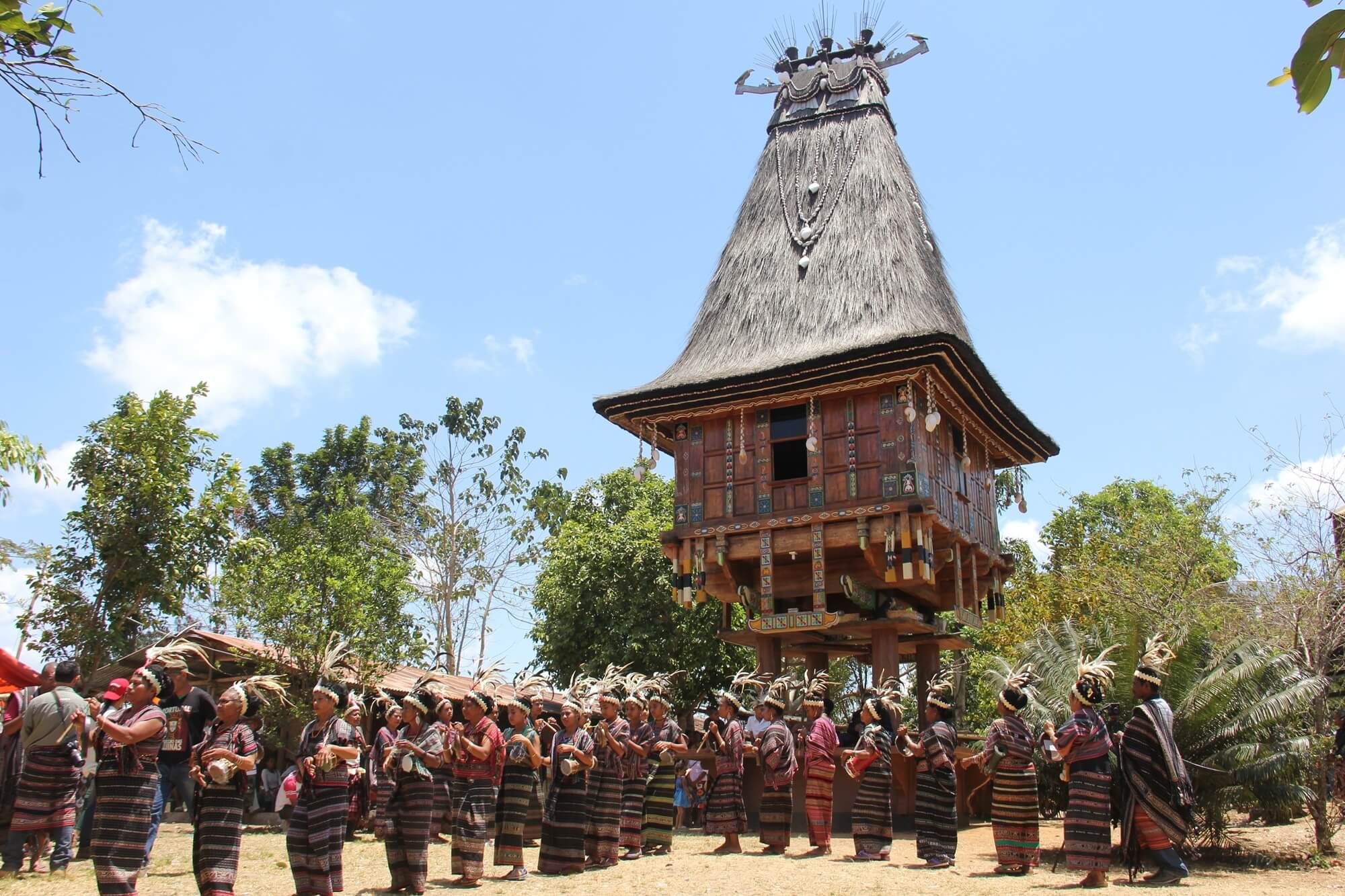
Culturally, Timor-Leste offers visitors an authentic blend of indigenous traditions, Portuguese colonial influences, and Catholic heritage. Our traditional arts encompass distinctive tais textiles, intricate basketry, wood carving, and pottery. Sacred houses (Uma Lulik) and Portuguese-style architecture provide unique visual experiences, while traditional music, dance, and oral storytelling traditions offer immersive cultural encounters.
Robust policy framework drives strategic development
Our tourism development is anchored by comprehensive policy frameworks. The Timor-Leste Strategic Development Plan 2011-2030 identifies tourism as a priority growth sector, while the National Tourism Policy 2017-2030 establishes our overarching vision built on five pillars: Priority, Prosperity, Protection, Partnership, and People. Most recently, our National Strategic Plan for Tourism Development 2023-2030 translates these robust frameworks into actionable strategies.
Growing performance demonstrates sector potential
Visitor arrivals increased by 26 per cent in 2024, welcoming nearly 27,000 stayover visitors and over 1,000 cruise passengers. Our visitor profile reveals balanced market segments, with approximately 50 per cent arriving for business purposes, 30-35 per cent for leisure, and the remainder visiting friends and relatives. Among leisure travellers, Australia represents our largest source market at 50 per cent, followed by Malaysia, Indonesia, and Singapore, with smaller contributions from China, Portugal, New Zealand, the UK, and the US.
Our airlift has been improving over the past few years, and we currently have five airlines providing 29 direct weekly international flights with over 4,000 seats per week from Australia, China, Bali, Singapore, and Malaysia. In the coming months, Batik Air plans to increase its frequency from Kuala Lumpur, and Aero Dili plans to start flights from Darwin and Melbourne.
Our tourist accommodation product is also improving. We currently have over 2,400 rooms, including more than 500 high-quality hotel rooms, in the Dili corridor. The recent openings of the luxurious Palm Springs and JL World hotels have added close to 200 more rooms to our accommodation stock.
Challenges and strategic priorities
To realise our tourism vision, the government recognises that several challenges face the sector which need to be addressed. In this regard, the government has identifi ed six tourism priority areas to focus attention and resources on, all while ensuring close alignment to ASEAN tourism standards and best practices.
1. Marketing and promotions – Initiatives centre on upgrading and establishing our destination website www.timorleste.tl as our primary promotional asset, supported by robust social media strategies, international travel trade show participation, high-quality content production, and campaigns promoting Timor-Leste as part of the ASEAN destination.
2. Infrastructure – Key improvements include the Dili airport upgrade project, scheduled for completion in 2028, and the groundbreaking ceremony for the new convention centre at Dili Port. Other work includes establishing Tibar Bay Port as a cruise port of call, the continued renovation and opening of pousadas (historic Portuguese tourism accommodations), and the upgrade and maintenance of infrastructure, sites and attractions that support community-based tourism.
3. Tourism product development – Implementing the recommendations in the recently approved Blue Economy Policy and Action Plan is a priority, particularly developing and positioning Atauro Island as an eco- marine tourism hub. Other initiatives include collaborating with tour operators to enhance the variety and quality of tours, packages, and events offered to visitors, creating special ASEAN packages, and improving the standards and quality of CBT offerings.
4. Human capital development – Strengthening the quality and professionalisation of the tourism workforce through an ongoing Service Ambassador Programme, offering specialised training courses, revising and improving the tourism and hospitality curricula, and implementing an ongoing tourism awareness and education campaign.
5. Data and monitoring – Enhancing systems to provide reliable tourism statistics through improved online entry forms, visitor surveys, and coordination with development partners to establish Tourism Satellite Accounting eventually. 6. Policy and governance improvements focus on developing tourism legislation that is compliant with ASEAN requirements, while streamlining public sector coordination and building institutional capacity.
Investment opportunities abound
As ASEAN’s newest member, Timor- Leste presents compelling investment opportunities in the tourism sector. Our unique position as Asia’s newest country, combined with attractive tax incentives, a large and competitive labour force, rich natural assets, and a peaceful, stable environment committed to environmental protection, makes Timor-Leste an ideal tourism investment destination. Specifi c opportunities span marine tourism infrastructure, accommodation development, including eco-lodges and business hotels, vocational training institutes, transportation services, and digital payment gateways.