In the wake of the COVID-19 pandemic and other global disruptions, Brunei Darussalam responded by realigning its tourism strategy toward sustainable practices including regenerative tourism that emphasises environmental sustainability, cultural preservation, and community- based experiences. The pandemic signifi cantly altered tourists’ expectations, with growing demand and tourist preferences for nature-based, community-based, cultural, and niche experiences.
Product development has become central to Brunei Darussalam’s tourism recovery strategy. Focused efforts were made to identify niche products and services that could be developed into creative and tailored tourism packages. This involved close collaborations with local communities to offer authentic and immersive experiences, cultural tours, nature excursions and off-the-beaten-path adventures.
A key lesson learned during the pandemic was the importance of creating a diversified range of tourism products. It also underscored the need to strengthen domestic tourism, encouraging locals to discover and enjoy their own country’s attractions. The outlook for Brunei Darussalam’s tourism industry in 2025 is projected to grow steadily, with a target of 400,000 tourist air arrivals. It represents an expected growth of around 8.8 per cent. In comparison, cruise ship arrivals are projected to increase by 10.8 per cent annually, signalling a recovery and renewed interest in Brunei Darussalam as a tourist destination. In terms of data, as of July 2025, Brunei recorded a total of over 438,000 tourist arrivals, reflecting a 21 per cent increase compared to the same period in 2024. Growth was seen across all entry points—air arrivals rose to 157,896 (+8%), sea arrivals more than doubled to 27,587 (+92%), and land arrivals reached 252,861 (+26%). This upward trend underscores Brunei Darussalam’s growing appeal as a destination and the positive momentum of its tourism sector.
Brunei Darussalam aims to position itself as an oasis of peace and tranquility in Southeast Asia, known for its culture, nature, and adventure-based activities. This enhances its appeal as a multi-diverse destination for wellness, health and Islamic tourism. The country is working to be recognised internationally as an ecotourism destination known for sustainable tourism practices. Additionally, the Brunei Darussalam Tourism Industry Roadmap 2024-2035 emphasises becoming a regionally accessible destination with seamless travel experiences, alongside continued efforts to diversify tourism offerings and as a high-quality, eco-friendly destination. The strategic roadmap is to align with Brunei Vision 2035, with tourism as one of the key drivers of sustainable economic growth to support a dynamic and sustainable economy.
Recognising the increasing importance of the digital space, Brunei Darussalam has significantly enhanced its digital marketing initiatives. Data-driven campaigns are being deployed to reach new audiences more effectively. Social media influencers, online travel agencies (OTAs), and travel bloggers now play a pivotal role in Brunei Darussalam’s visibility strategy, particularly in targeting emerging market segments such as wellness travellers, digital nomads, and eco-conscious tourists. These efforts have raised Brunei Darussalam’s profile, particularly in previously underrepresented markets such as the US and Europe. There are also active efforts to participate in international expos to showcase tourism offerings, host familiarisation trips to enhance business opportunities, and foster long-term industry partnerships.
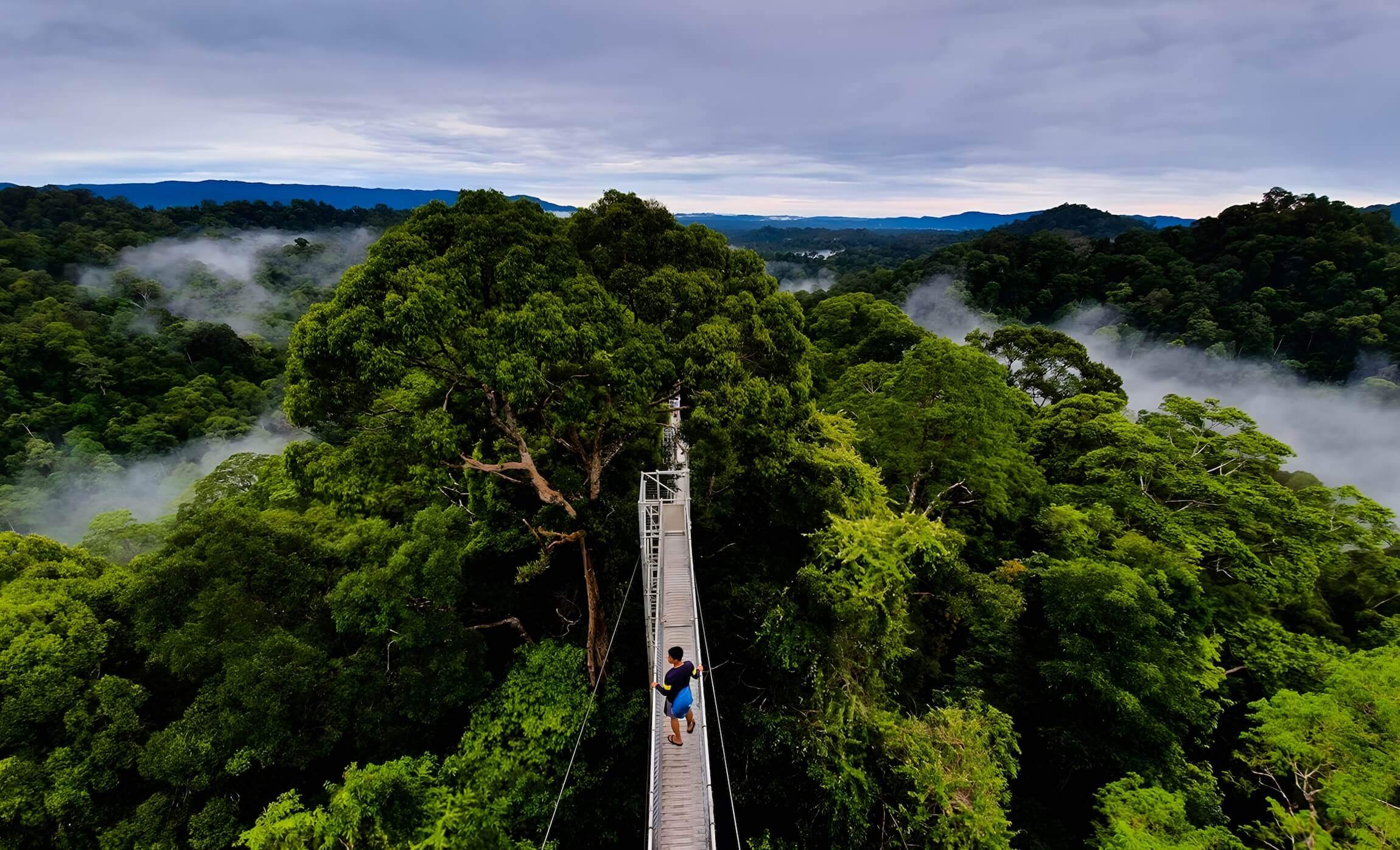
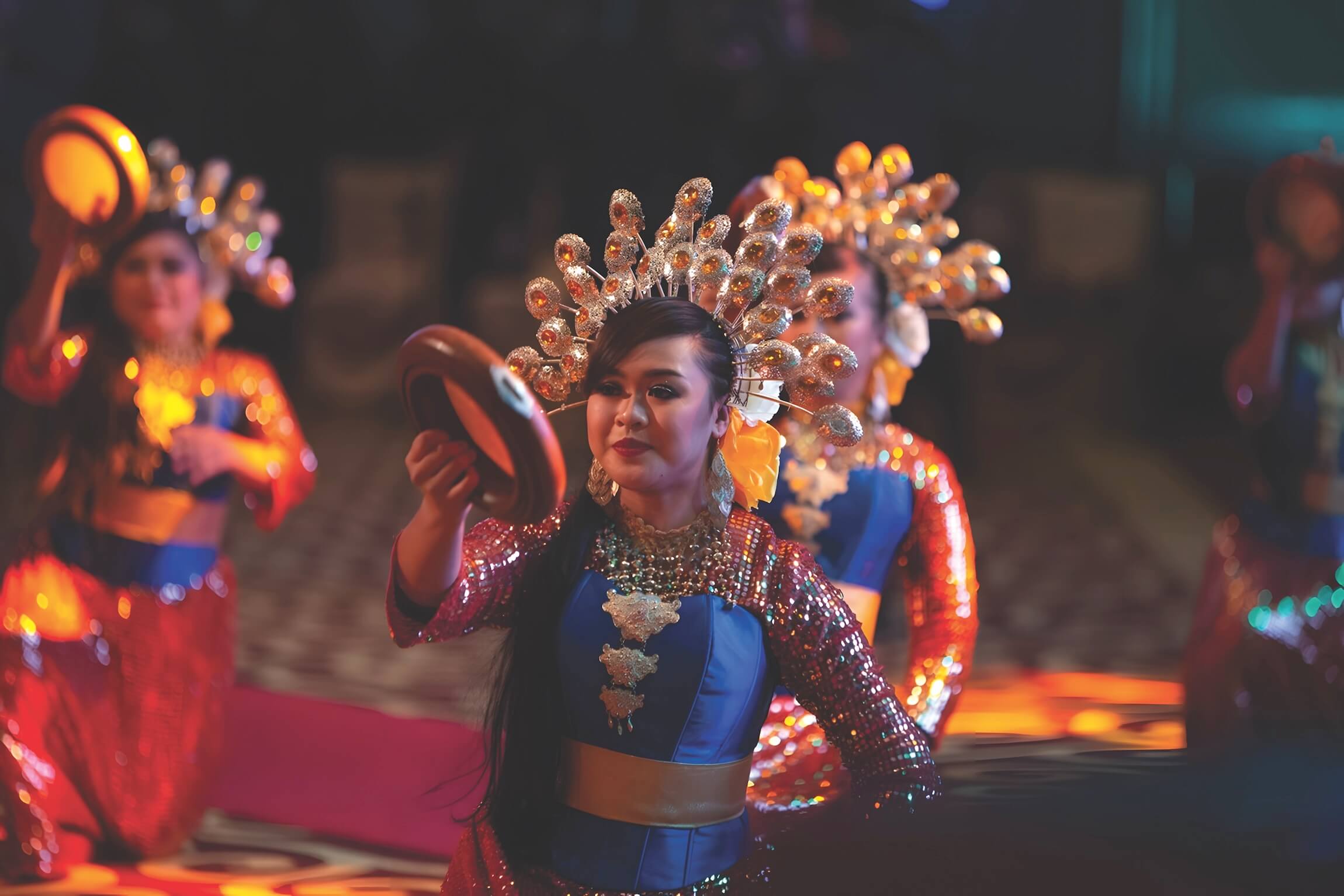
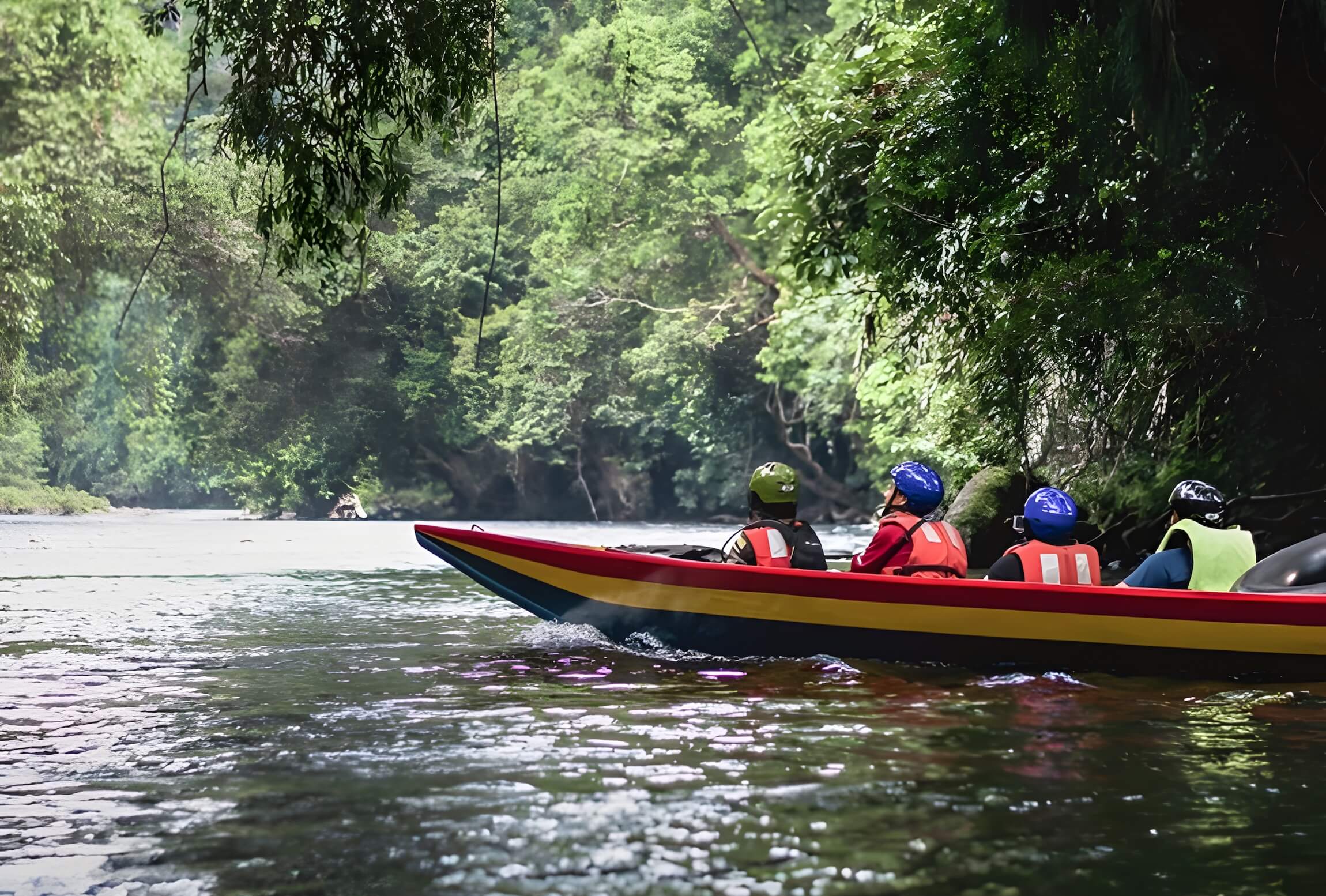
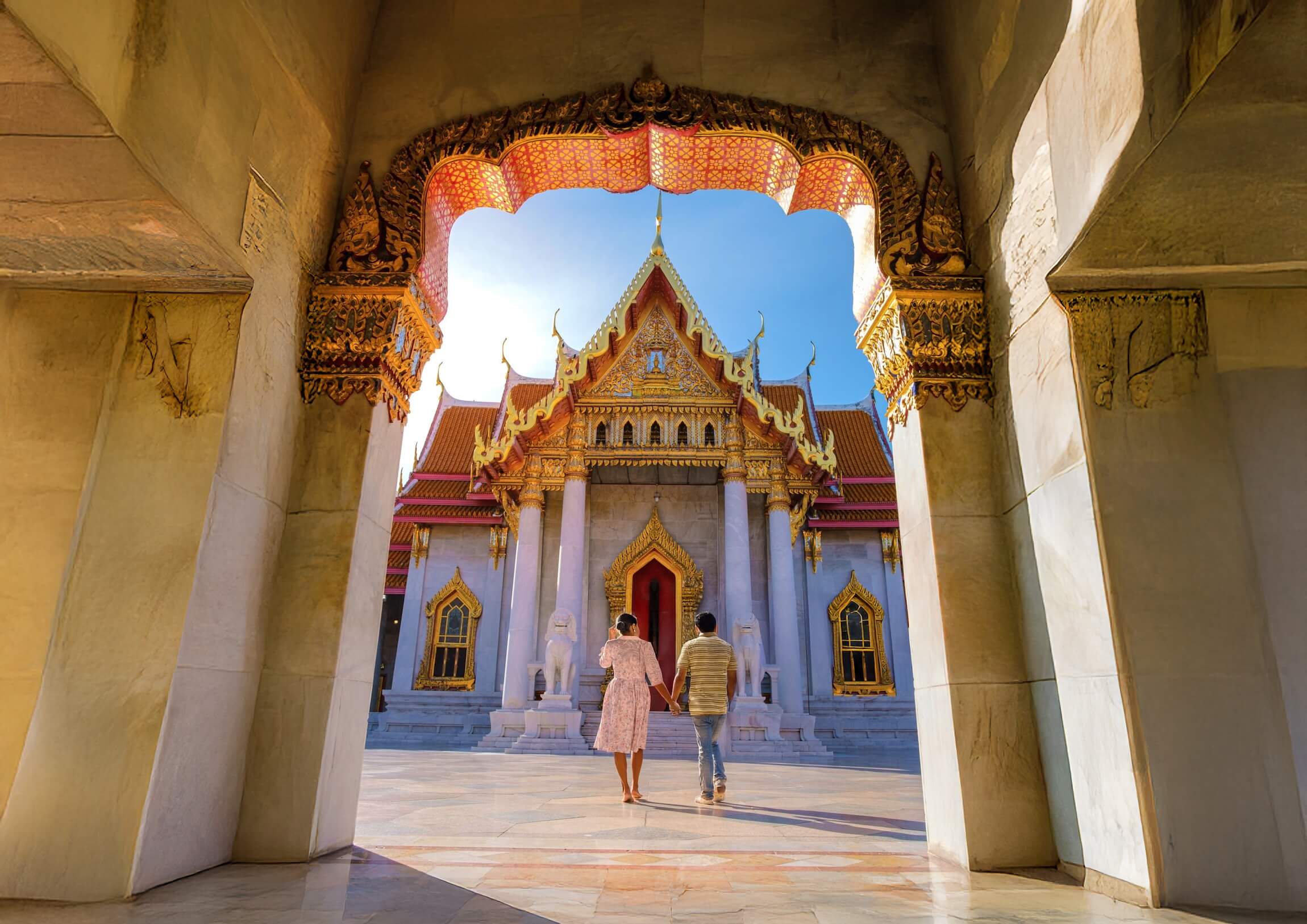
Regenerative Tourism is now becoming more popular. For Brunei Darussalam, it has become the main thrust of tourism development, as it prioritises quality and inclusivity by integrating environmental conservation with community-based tourism that intertwines cultural activities (such as gastronomy tourism) and traditional heritage. We take pride in our pristine ecosystems and vibrant coral reefs, lush green rainforests, undisturbed mangroves, and a rich, diverse culture. Beyond these natural wonders, our rich culture and warm communities invite to experience authentic traditions, hospitality, and memorable adventures. With a well-established healthcare infrastructure supported by qualifi ed professionals and modern facilities, Brunei Darussalam is promoting medical and wellness tourism. The country’s clean, safe, and tranquil environment makes it ideal for rejuvenation therapies and wellness escapes. Brunei Darussalam is expanding its accommodation options from eco- lodges and boutique stays to luxury resorts in natural reserves. It is also upgrading infrastructure, visitor facilities, and public amenities.
The global economic recovery and the resurgence of middle-class travellers from regions like China, India, and Southeast Asia have positively impacted travel demand. As regional economies regain momentum and cross-border travel resumes, Brunei Darussalam is leveraging its geographic location and connectivity to attract regional visitors. This highlights the importance of regional connectivity, including enhanced air access. Direct fl ights to key Southeast Asian cities and expanded routes to destinations in China, Japan and Republic of Korea via Royal Brunei Airlines are vital components of Brunei Darussalam’s connectivity strategy. Furthermore, in a landmark move, Brunei Darussalam introduced a visa- free entry policy for Chinese tourists effective March 2025, demonstrating the commitment to welcoming more Chinese visitors and improving ease of travel. Brunei Darussalam is also welcoming more cruise calls from the region, including from Malaysia, Singapore, Viet Nam and China, further enhancing regional visitor fl ow since 2023 and expecting more cruise calls in the coming years. Brunei Darussalam is also actively involved in joint ASEAN tourism marketing efforts aimed at promoting Southeast Asia as a single destination. As international travellers increasingly seek multi-destination trips, Brunei’s unique offerings in ecotourism, Islamic heritage, and wellness tourism complement regional experiences. There remains much to explore in Brunei Darussalam, including our lesser-known destinations and hidden gems, making the country a valuable part of the broader Southeast Asian tourism circuit. These efforts not only attract new visitors but also encourage repeat travel to the region. We therefore invite everyone to visit our country and experience for yourselves the tranquility and beauty of Brunei Darussalam. Brunei Darussalam’s focus remains clear: to build a tourism industry that delivers high-value cultural, nature, and adventure experiences, supports local communities, and contributes meaningfully to the national economy— while becoming an oasis of peace and tranquility in Southeast Asia.