
And now, the end is here.
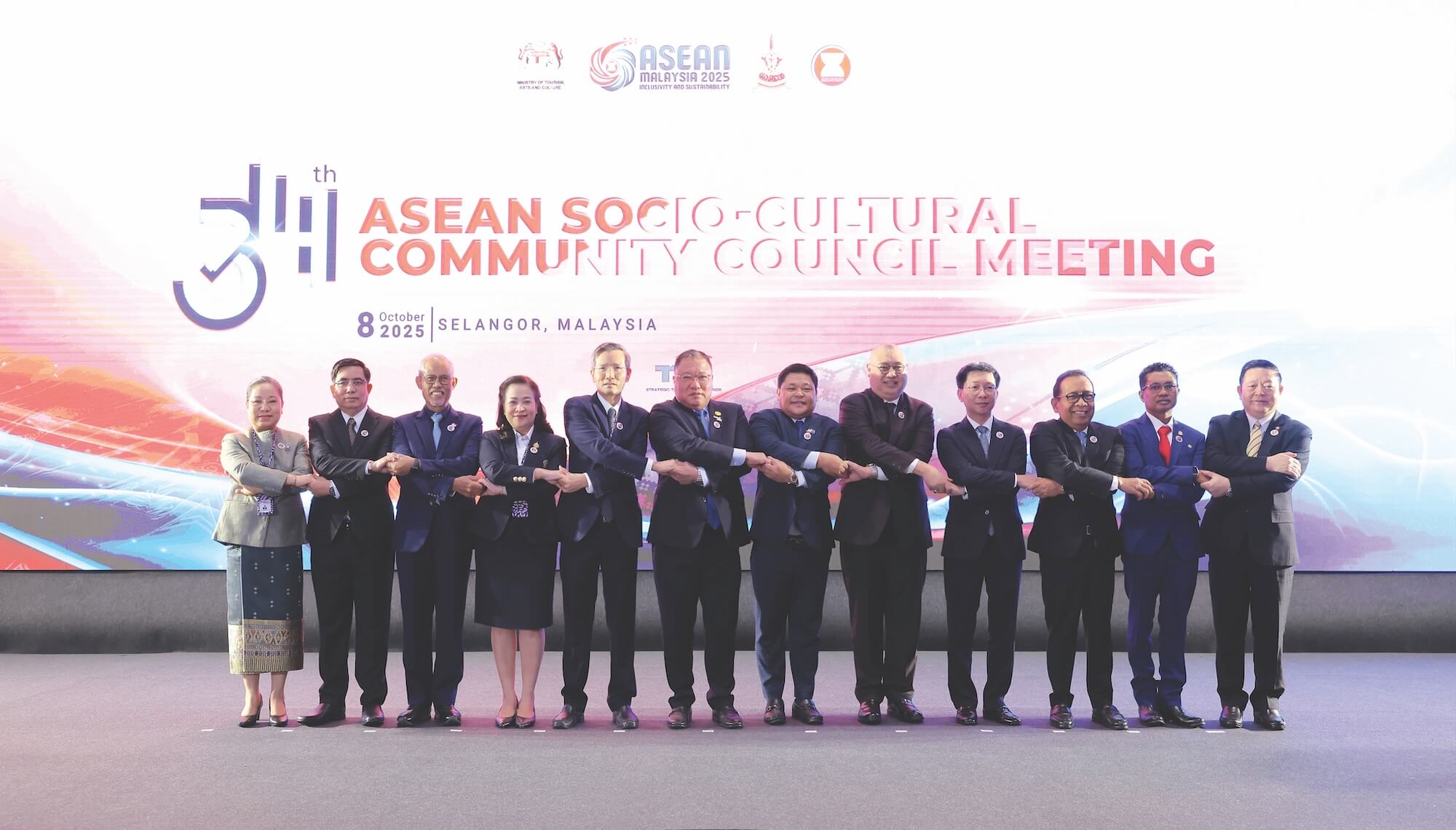
It seems only yesterday we assumed our ASEAN Chairmanship 2025. Malaysia hosted over 20 meetings and events under my ministry, while leading pillar coordination and reporting of more than 140 programs across 15 sectoral bodies. As the 2025 ASEAN Socio-Cultural Community (ASCC) Council Chair for the past year, we have gained many valuable insights. The experience has been phenomenal.
As Malaysia’s Chairmanship enters its final stretch, I wish to take a moment to reflect on our shared journey this past year. Together, we have advanced important regional initiatives across our Sectoral Bodies. We emphasised “quality over quantity” in our deliverables and outcomes, aligned with the collective spirit of ASEAN in strengthening regional cooperation and enhancing the well-being of our peoples. The Chairmanship is a national agenda; hence the need to adopt a “whole-of-government” and “whole-of-society” approach in which government, the private sector, civil society, communities, and individuals have a role to play in achieving the shared goals, fostering collective action for the country. It is also an opportunity to showcase Malaysia’s rich diversity, increase local communities’ awareness of ASEAN and benefi t from business and tourism prospects.
How it started
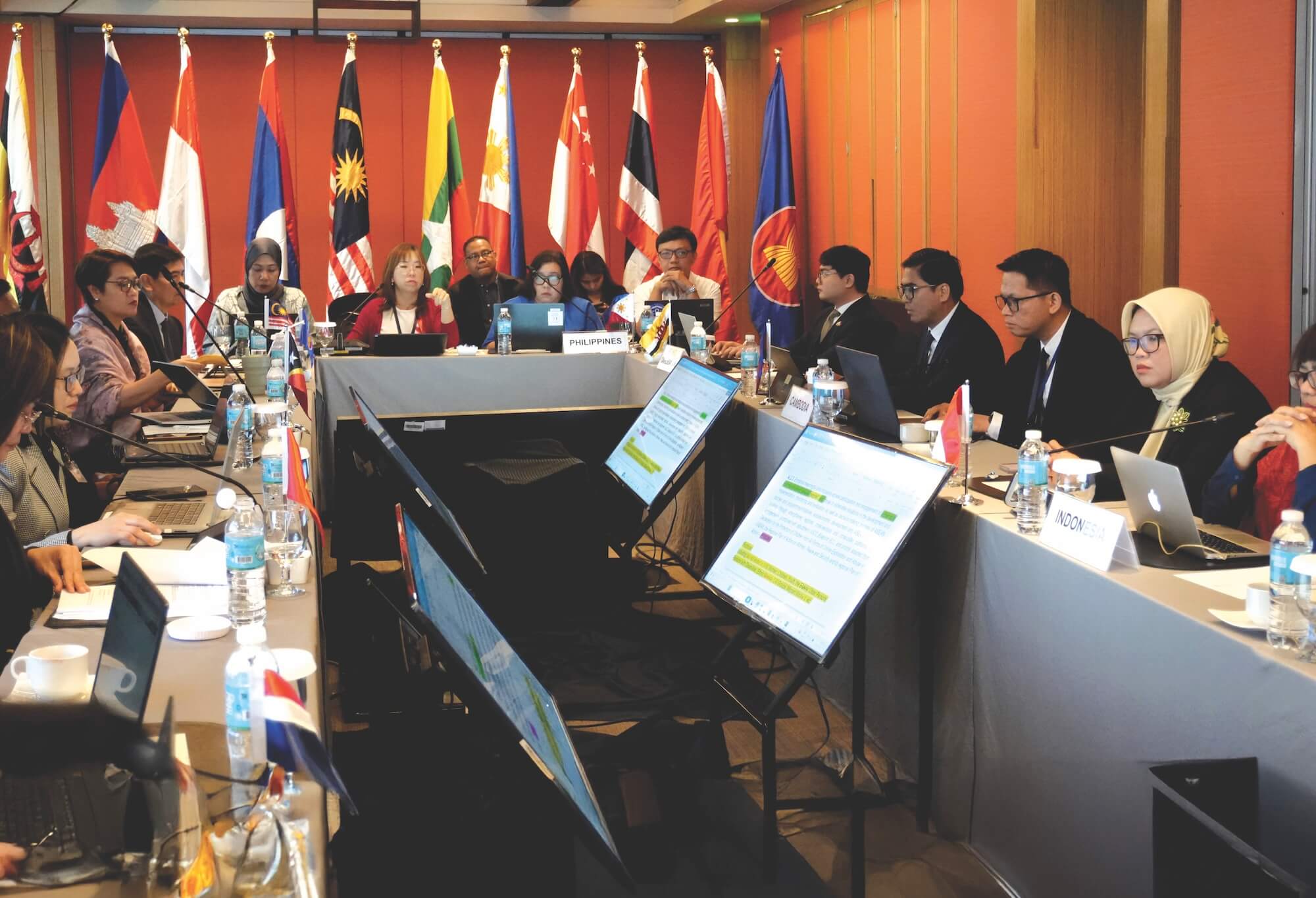
The first national steering committee, chaired by the Malaysian Prime Minister, Anwar Ibrahim, to prepare for Malaysia’s ASEAN Chairmanship, commenced at the beginning of 2024. Each pillar proposed its priority areas and narratives after having preliminary consultations amongst the line ministries. Working in parallel, we engaged the ASEAN Secretariat team to see how Malaysia’s ASCC Chairmanship can best complement the regional trajectory and meet the community’s needs. The ASEAN mechanism hinges on consensus; multiple consultations were held with different groups of stakeholders. Upon the unveiling of the offi cial chairmanship theme and logo in October 2024, when Malaysia accepted the Chairmanship from Lao PDR, the national secretariat was ready to assume the role on 1 January 2025.
Navigating and delivering ASCC 2025
Inclusivity and sustainability—our 2025 Chairmanship theme—have been placed at the heart of our journey. We identified and progressed on five (5) priority areas under the ASCC, namely: (i) Cultural Heritage for Value Creation; (ii) Artificial Intelligence, Digitalisation and Green Jobs towards Future Proofing Skills and Talents for ASEAN; (iii) Healthy ASEAN Initiatives Towards a Prosperous ASEAN; (iv) Youth and Sports Potential for All to Foster Growth, Unity and Excellence; and (v) Climate Action for Stewardship, Partnership and Ownership. These priorities align with broader ASEAN Community-building efforts and are highly relevant to future-proofing ASEAN while reinforcing progress, growth, centrality, and regional integration. The outcome documents that were adopted include, the ASEAN Creative Economy Sustainability Framework, the ASEAN Declaration of Commitment on ASEAN Drug Security and Self-Reliance (ADSSR), the Melaka Declaration on Cultural Heritage Value Creation, and the ASEAN Joint Statement on Climate Change to the 30th Session of the Conference of the Parties to the United Nations Framework Convention on Climate Change (UNFCCC COP 30). I have had the opportunity to host and chair two ASCC Council Meetings in two different states. Responding to the Prime Minister’s call to ensure the Chairmanship is extended beyond high- level meetings, encompassing a range of activities and programmes that are felt by grassroots communities across all states in the nation, we held our meetings and programmes in different states. Since I was also double-hatting as the Chair of the ASEAN Ministers Responsible for Culture and Arts (AMCA), we spearheaded several cultural projects. As the AMCA Chair, we hosted the ASEAN City of Culture in Melaka – a UNESCO World Heritage City, which was held back-to-back with the biennial AMCA meeting. The City of Culture initiative was introduced in 2008 and aims to strengthen ASEAN identity and promote cultural understanding amongst Member States. It encourages people to appreciate and preserve the region’s rich history, arts and traditions while increasing ASEAN awareness. Some of the cultural events held to celebrate the City of Culture include Pesta Gendang Nusantara 2024, the Ponggal Festival Melaka 2024-2025, Wangkang Melaka Festival 2024-2025, the Festival Pendekar Antarabangsa 2024, Melaka Heritage Festival, Malakka Dutch Festival 2024-2025, The World Heritage Culinary Challenge Melaka 2025, Fiesta San Pedro, National Lion Dance Competition 2025, Melaka Heritage Food Festival, Melaka River Festival and Melaka International Kite Festival 2025. MOTAC, in collaboration with the Korea Broadcasting System (KBS), successfully organised the ASEAN– Korea Music Festival (“ROUND 2025”) in June 2025 in Kuala Lumpur. The festival embodied Malaysia’s MADANI values and demonstrated Malaysia’s commitment to inclusive cultural diplomacy during its ASEAN Chairmanship.
MOTAC also worked with the Malaysian Association of Artistic Children (MAAC) and organised the Best of ASEAN Performing Arts (BoAPA) 2025, “ASEAN Cultural Seed: Nurturing Cultural Leaders,” in Kuala Lumpur in October. Aimed to nurture young ASEAN cultural talents, foster creativity, and strengthen appreciation of the region’s diverse heritage, BoAPA 2025 was launched on 25 October at the Auditorium Seri Angkasa and broadcast live on TV2, as well as live feeds on various channels. The programme reached one million total viewership (both physical and online).
Value creation and enhancements
Malaysia’s 2025 ASEAN chairmanship coincides with the expiration of the ASEAN Community Vision 2025. As the ASCC pillar lead, my ministry was tasked with developing the ASCC post-2025 Strategic Plan. We believe in adding value to the process, but not without collaborating with strategic partners. After the adoption of the ASEAN Community Vision (ACV) 2045, along with four Strategic Plans, including the ASCC Strategic Plan, Malaysia envisions a Resilient, Innovative, Dynamic, and People-Centred ASEAN. As the Strategic Plan translates to implementation, it is vital that the goals are well understood, embraced and supported across various levels of the community.
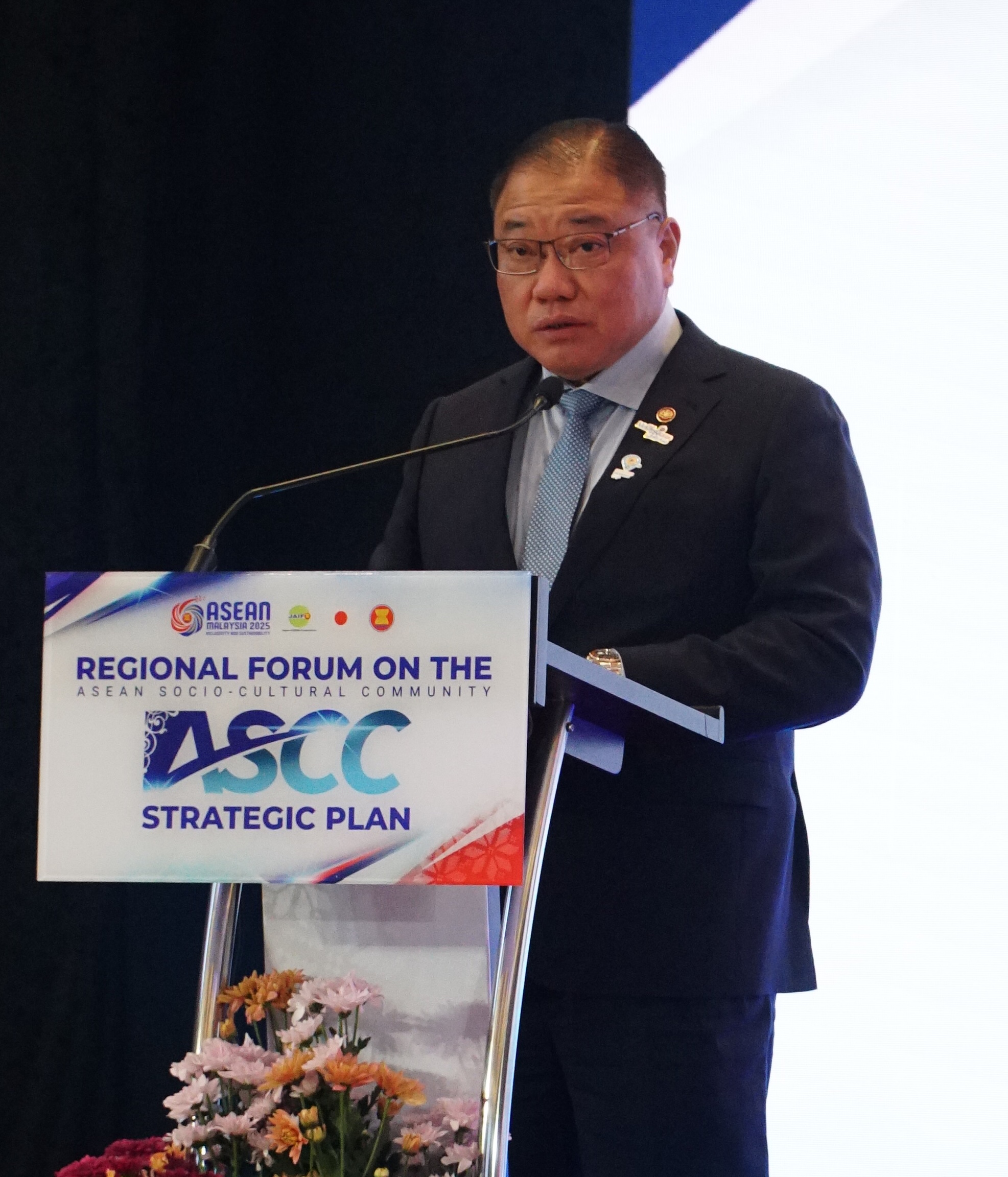
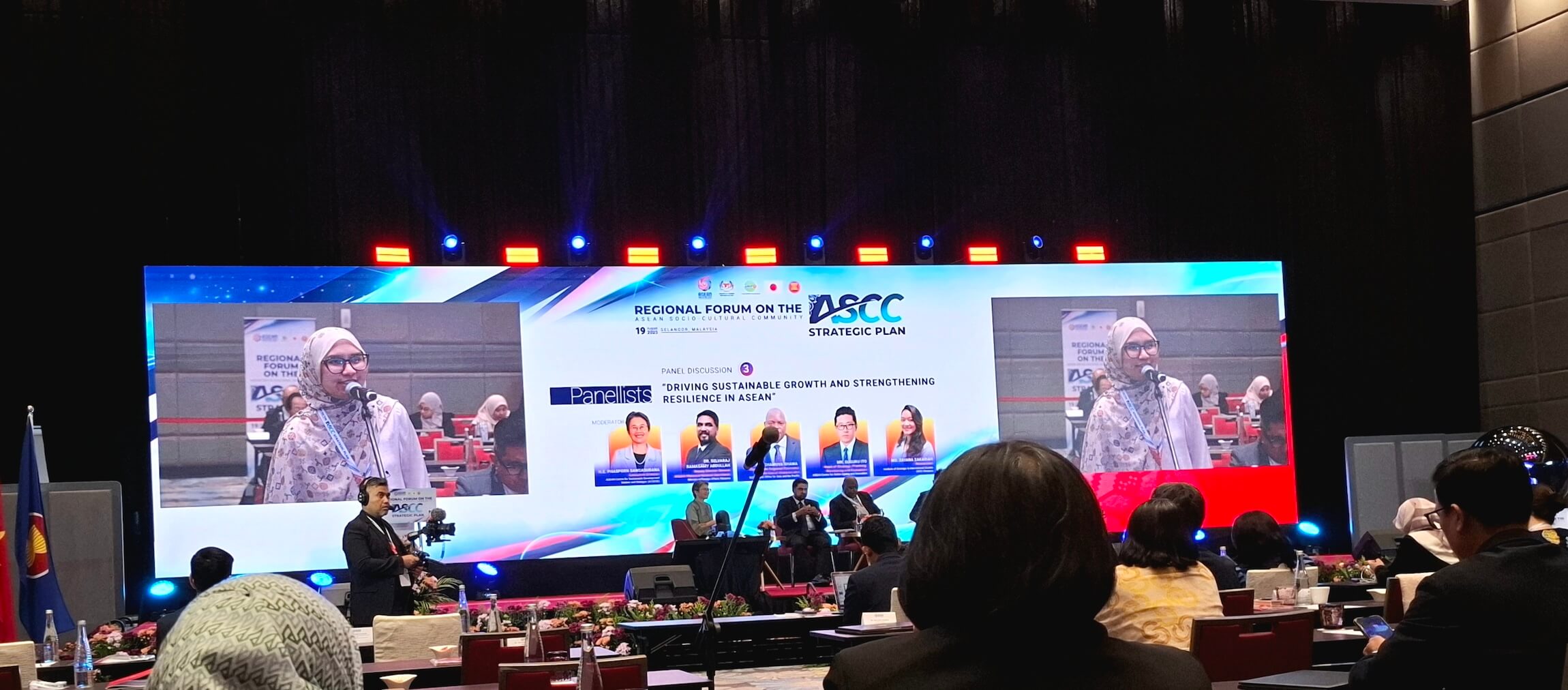
In this regard, the first Regional Forum on the ASCC Strategic Plan, to promote and build awareness of the recently launched ASCC Strategic Plan, which succeeded the ASCC Blueprint 2025, was held. It was part of the initiatives under the “Supporting the Development of the ASCC Strategic Plan” project supported by the Government of Japan through the JAIF 3.0 fund. There were three sessions; the first was titled “Advancing Inclusive Development and Bridging the Development Gap in ASEAN, while the second was “Reinventing Cooperation and Partnership in the Context of ACV 2045.” The third session discussed “Driving Sustainable Growth and Strengthening Resilience in ASEAN.”
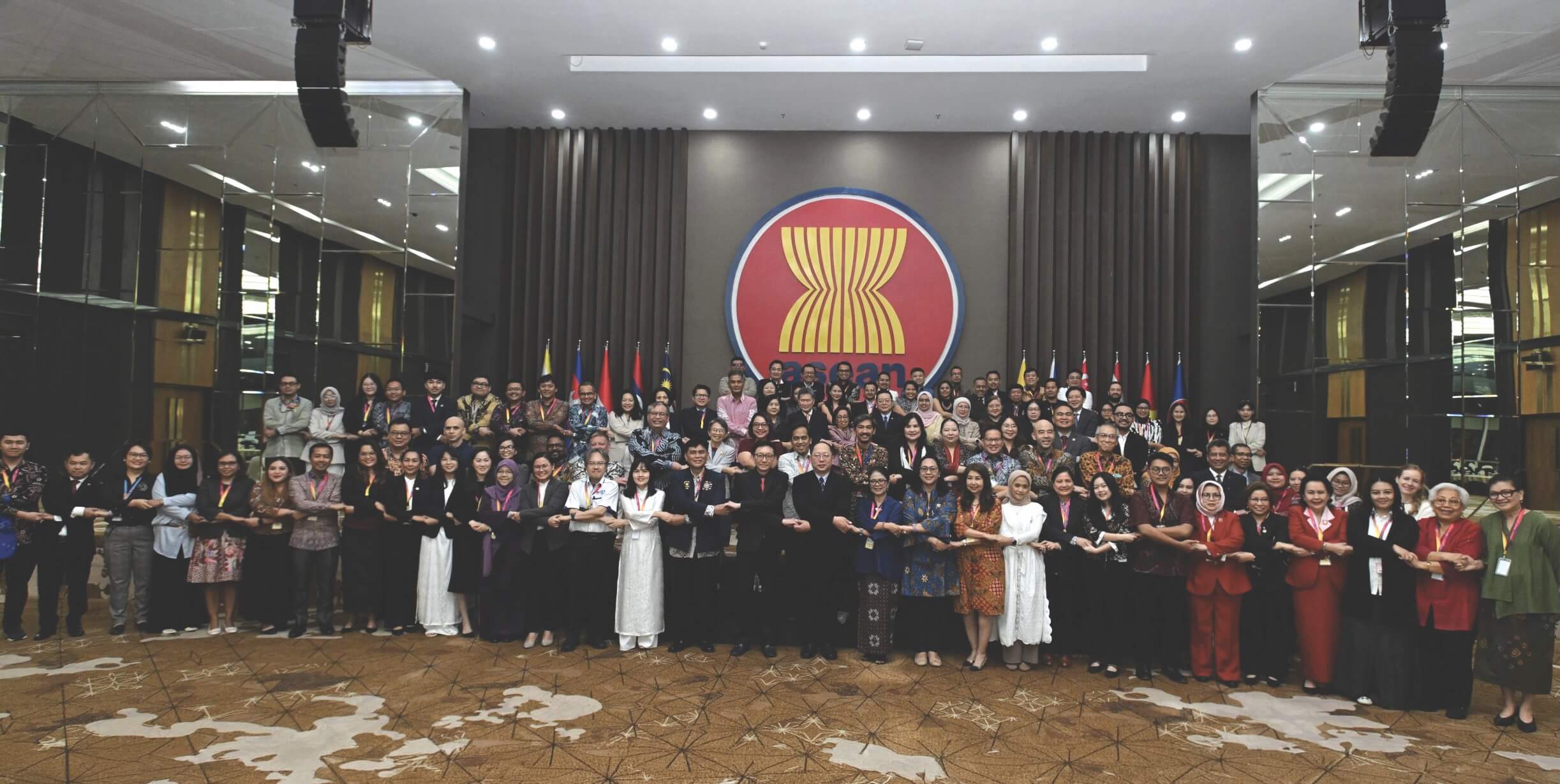
In a similar vein, we initiated the inaugural ASCC High-Level Forum (HLF) 2025, held back-to-back with the 34th ASCC Council Meeting, featuring Ministers and Senior Officials from the ASEAN Socio-Cultural Community (ASCC) Pillar. I am grateful to my fellow Council Ministers for their support and for participating as panellists. The half-day high-impact HLF was attended by Ministers, business leaders, academics, think tanks, youth leaders, and NGOs. The future of the ASCC landscape and cross-cutting challenges were discussed.
Running in parallel, we kick-started the maiden ASEAN Arts & Crafts Bazaar 2025 as one of the side-events during the 34th ASCC Council Meeting. Each Member State has its own booth to showcase its arts and cultural products, such as artefacts or heritage items, as well as artworks like batiks. Cultural performances featured traditional music and dance. We also had craft demonstrations and clinical activities.
All in all, I led the ASCC Pillar, which culminated in seven (7) outcome documents for adoption and another 15 for notation.
ELEVEN and going strong
With Timor-Leste’s admission as the 11th Member State of ASEAN at the 47th Summit, we are confident that Timor-Leste will enrich our cooperation, bring fresh perspectives, and further reinforce ASEAN’s identity as a diverse yet cohesive community. This year is also significant as ASEAN celebrates the tenth anniversary of the ASEAN Community’s establishment.
The baton has been passed. I wish to convey our fullest support to the Philippines as they assume the Chairmanship. We are confident that ASEAN will continue to thrive and prosper in the years ahead.