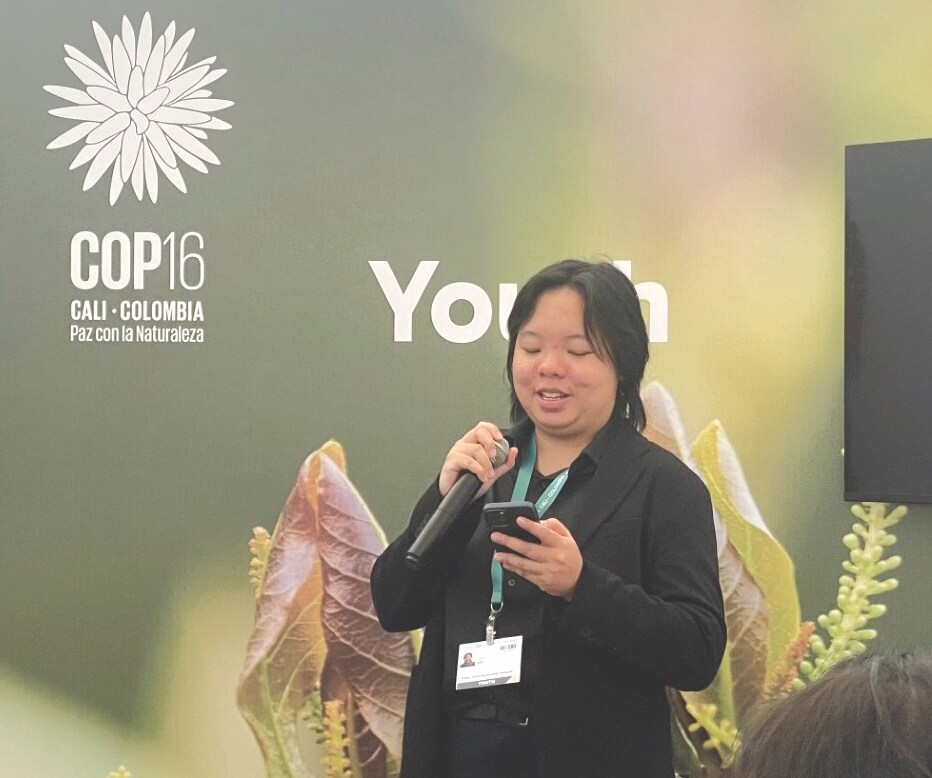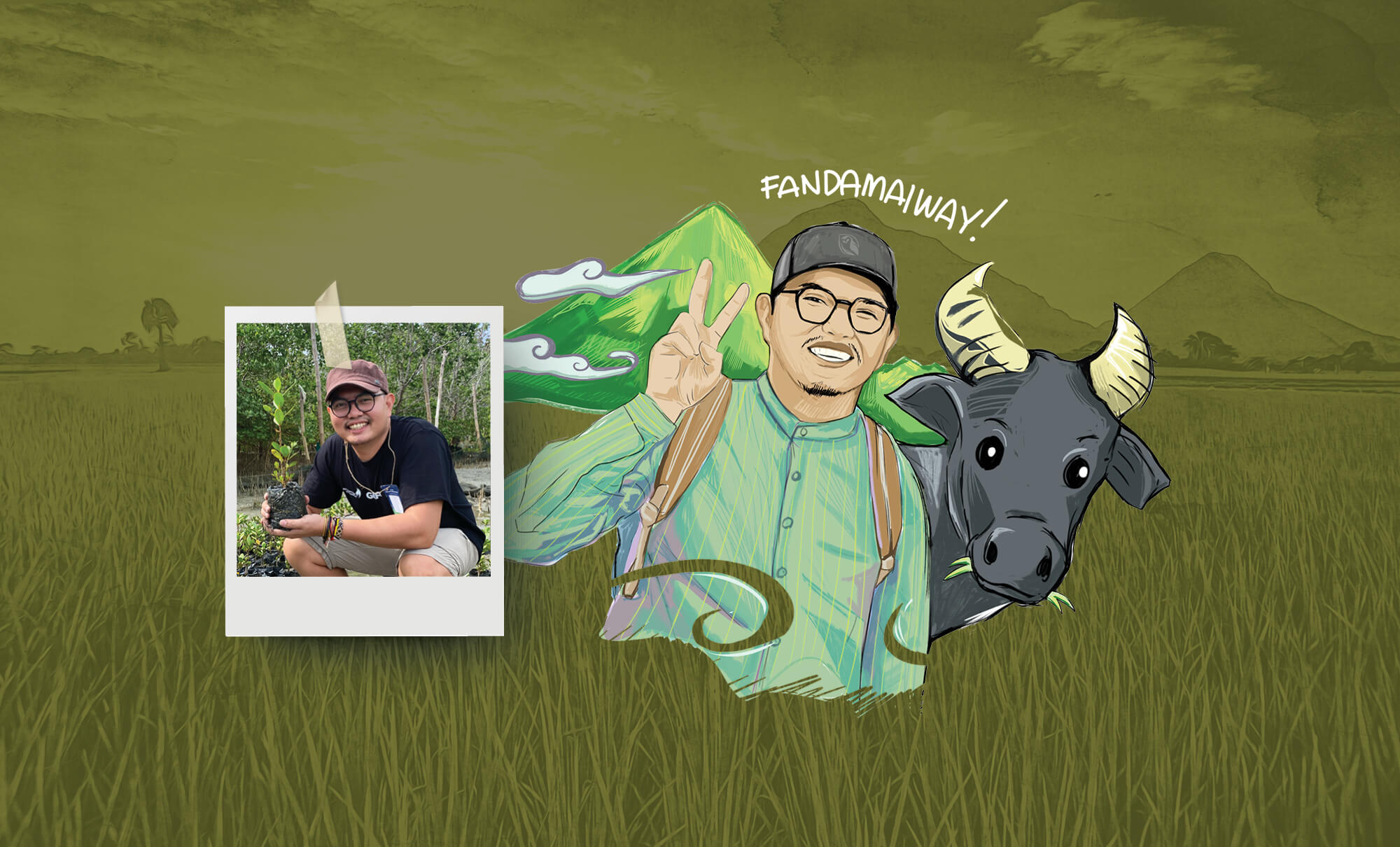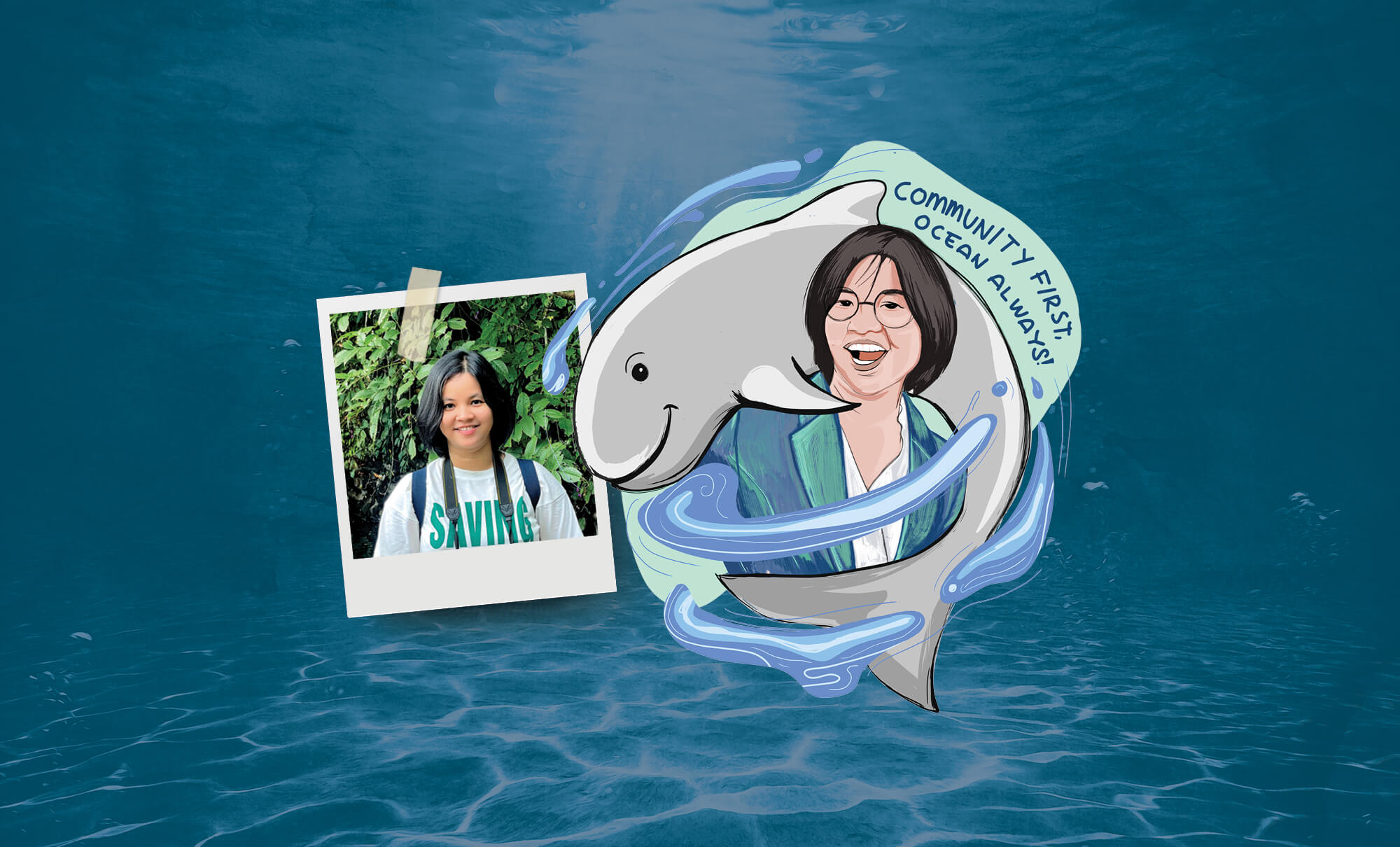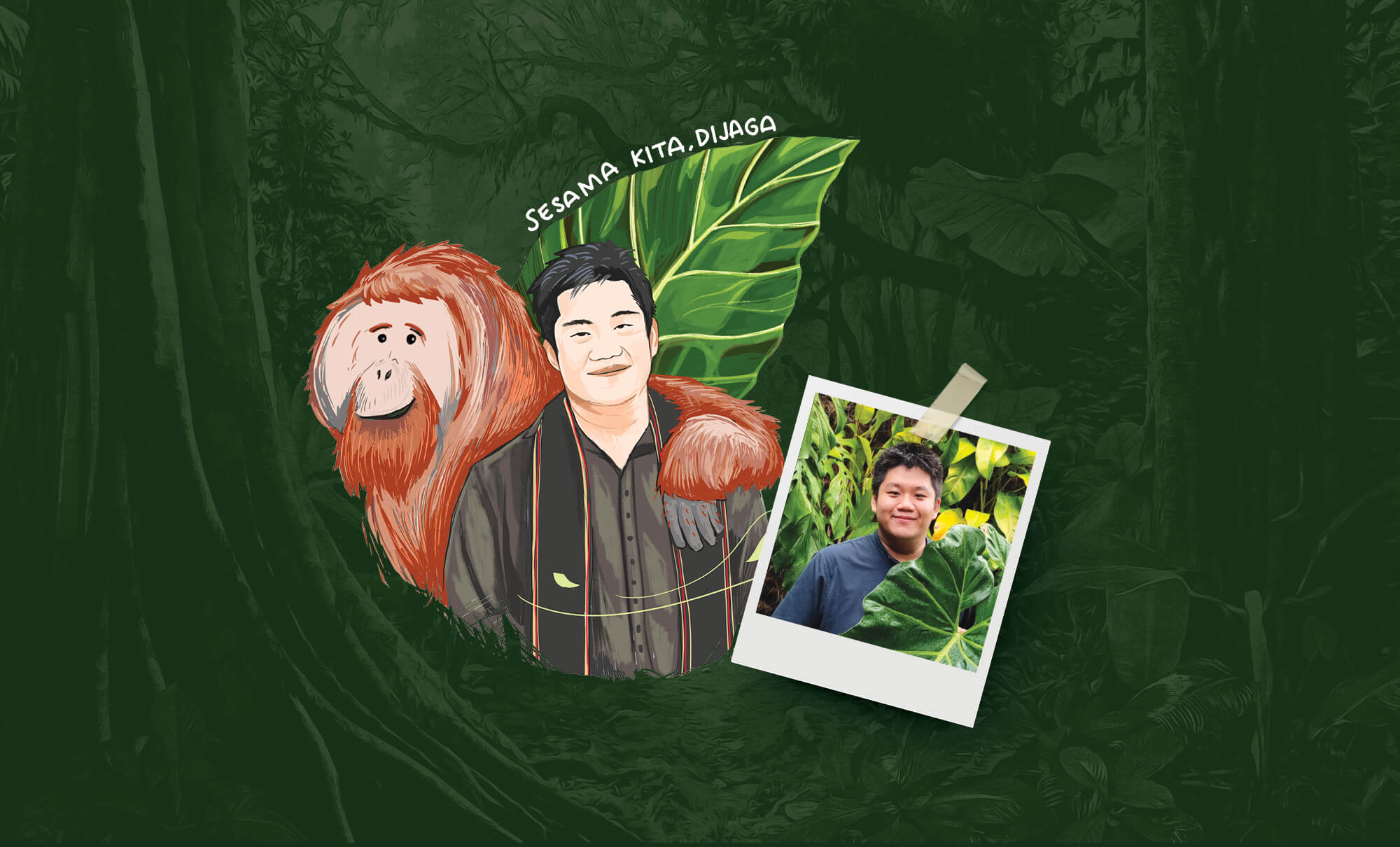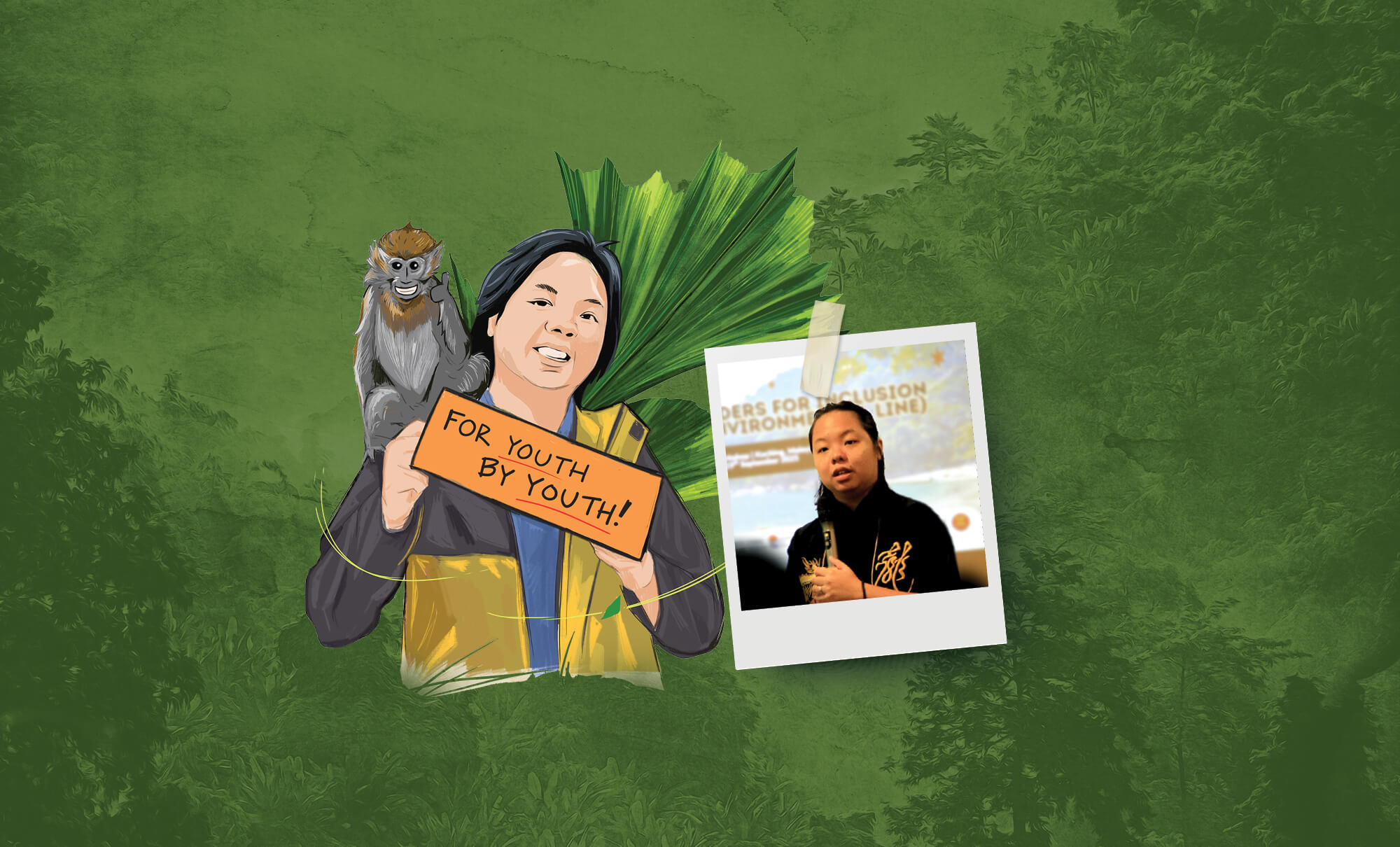

Gretel Seet Jia Xuan (25) is the Coordinator of the Global Youth Biodiversity Network Southeast Asia. Her interest in biodiversity began at the Festival of Biodiversity, organised by the Singapore National Parks Board. There, she discovered that Singapore is not only a concrete jungle but also home to a wide variety of species and habitats.
That curiosity deepened during the COVID-19 pandemic, when online talks made expert knowledge feel closer and more accessible. Watching biodiversity practitioners at work, she thought, “If they can do it, maybe I can too!”
From afar, the field of biodiversity can seem technical or remote, but for Gretel, it brings her real joy. After earning a Bachelor’s degree in Business and Environmental Science, Gretel is eager to keep learning and to advocate for biodiversity across the region.
“I live near a small patch of forest, and over the years, more and more trees are being cut down,” Gretel told The ASEAN when asked about what makes biodiversity loss feel real to her.
Gretel knows there are bigger cases that often dominate public attention. “There are many other typical answers like Clementi Forest and Holland Plains of greater ecological importance and are being developed, but both small and big conservation cases play an equal role in the education of biodiversity. One has ecological significance, while the other tends to have greater sentimental value for those who live near it. It depends from person to person how they resonate with the space.”
Witnessing environmental degradation daily heightened the sense of urgency. “The urgency pertaining to reducing biodiversity loss came from seeing these places being lost over time due to development.” Even with the scale of the problem, individual action still matters, she notes. “Though this is a systemic issue, we can do our part day by day to reduce biodiversity loss.”
“I understand the need to safeguard our national interests, but it’s still sad to see that the spaces near your home get less green and more grey.”
These concerns also matter at the regional level. “Southeast Asia is also home to a variety of biodiversity hotspots, our culture and way of life are linked to it too,” Gretel adds.
On conservation work, Gretel shares that her focus has shifted to spreading knowledge about biodiversity.
“I used to deal with the human-wildlife conflict aspect, but now I mainly focus on mainstreaming biodiversity,” she says, describing it as “helping people from all walks of life understand the importance of reducing biodiversity loss and make talking about biodiversity part of people’s everyday life.”
“It’s a bit unconventional as most people associate working in the field when it comes to working on reducing biodiversity loss,” Gretel says, “but in order for transformative change to happen, biodiversity loss has to be worked on from all sides and angles.”
Her role in the Global Youth Biodiversity Network (GYBN) supports that ambition through coordination across countries.
“The GYBN is the youth constituency for the Convention on Biological Diversity (UNCBD). It is a youth-led organisation with a focus on four aspects: capacity building, policy advocacy, alliance building, and mobilising change.”
Across Southeast Asia, the work centres on supporting chapters in the region, building capacity, and connecting local efforts to regional and global networks. “I mainly focus on assisting in the creation of new chapters and liaising with the global and regional chapters,” Gretel says.
Gretel’s ultimate goal is to make biodiversity more inclusive and accessible for all. Working with young people keeps that goal grounded and gives her a steady sense of optimism.
“Youths are not only the leaders of tomorrow but also the leaders of today,” she says. “We are the ones who would be living the consequences of the decisions made today.”
To young people across ASEAN, Gretel adds, “Though the future seems tough, remember how far you have come, and you deserve to exist in that space.”