Walking on foreign soil, breathing the air, and taking in scents so different from home once felt like an experience only a privileged few could afford. Over the last decade, however, access to information has opened doors and made travel possible for many. Daunting visa applications and gaps in infrastructure still stand in the way, yet the appetite for discovering the colours of the wider world continues to grow among ASEAN citizens. The ASEAN speaks with Chandra and Titik Badudu, an Indonesian couple driving across 27 countries from Southeast Asia to Europe, and with Kach Umandap, a Filipina traveller who has visited all 193 UN Member States. They share their perspectives on the wonder of travelling as ASEAN citizens.
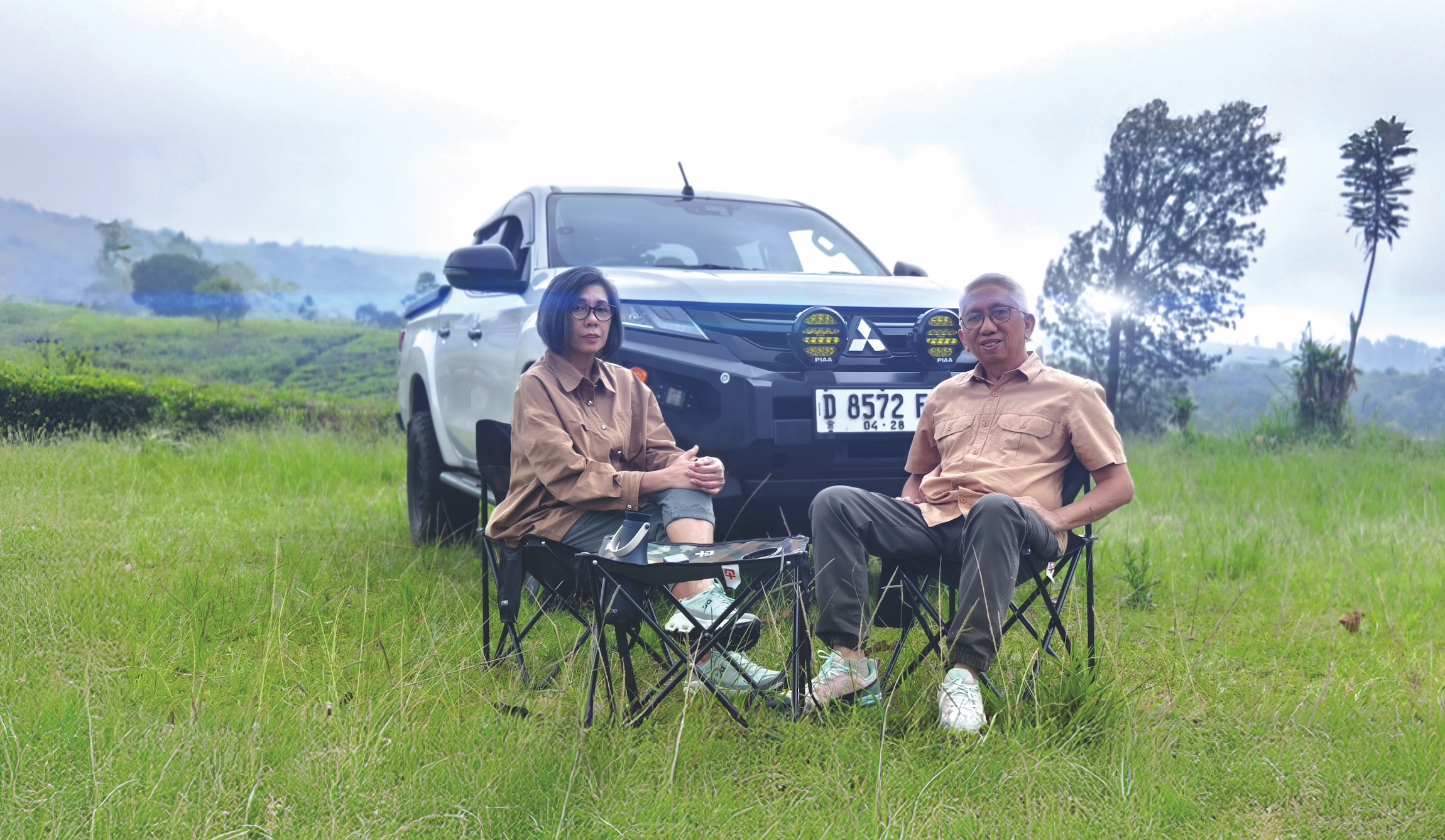
Titik Badudu, 65, says her husband, Chandra Badudu, 68, has never taken time off. His work takes him to remote parts of Indonesia to produce audiobook versions of the Holy Bible in local dialects. His wife and lifelong travel companion, Titik, accompanies him on this long overland trip. “We have travelled by car, sometimes for 30 to 40 days. We have gone around Sulawesi four times, Sumatra four times, and across Java, Bali, Lombok, and Sumbawa,” Chandra says. Travelling along routes rarely taken by mainstream tourists nurtured the Badudus’ adventurous spirit.
At the same time, videos of seasoned overlanders crossing Asia and Europe fed their inspiration. They decided to go further than Indonesia, on a once-in-a-lifetime mission they called “Berjalan Lebih Jauh” [Going Further]. “Have you heard the song ‘Berjalan Lebih Jauh’? It is by our son, Ananda Badudu, and his group, Banda Neira. We borrowed the spirit of that song,” Chandra says. Berjalan lebih jauh [Go further] Menyelam lebih dalam [Dive deeper] Jelajah semua warna [Explore every colour] Bersama, bersama [Together, together] – Banda Neira, Berjalan Lebih Jauh They began researching to chase their dream of overland travel in 2018 and 2019, but COVID-19 halted their plans.
New obstacles emerged in 2022 as borders closed in one of their destinations, leaving them no choice but to postpone their trip. “We needed to go this year. He is 68. In some countries, you are not eligible to apply for a driving permit once you turn 69. So we committed to this year,” Titik says. Their Asia to Europe route began in the neighbouring ASEAN countries of Singapore, Malaysia, Thailand, and Lao PDR. They called these their warm-up countries because the language and the people felt familiar. “Although Thailand felt a little more foreign, it is full of beautiful places and good food,” Chandra adds.
They spent seven days in Thailand, stopped in Krabi and Phuket, and waited four days at the border before entering the Lao PDR. “Driving in Bangkok feels like driving in Jakarta, but we were amazed by the golden shower trees lining the toll road towards Lao PDR. You do not see those in Indonesia,” they wrote on Instagram. In Lao PDR, they drove about six hours from Vientiane to Luang Prabang on their first visit to the country. “Luang Prabang is very beautiful and worth visiting,” Titik says, describing the old town’s cosy, walkable streets, the lively night market, and exceptional scenery. “In ASEAN countries, we felt safe and comfortable with the people. Many spoke English, which allowed us to communicate. Most of those we met were kind and friendly,” she says. Chandra adds, “In terms of safety, all of Asia feels safer than Europe.”
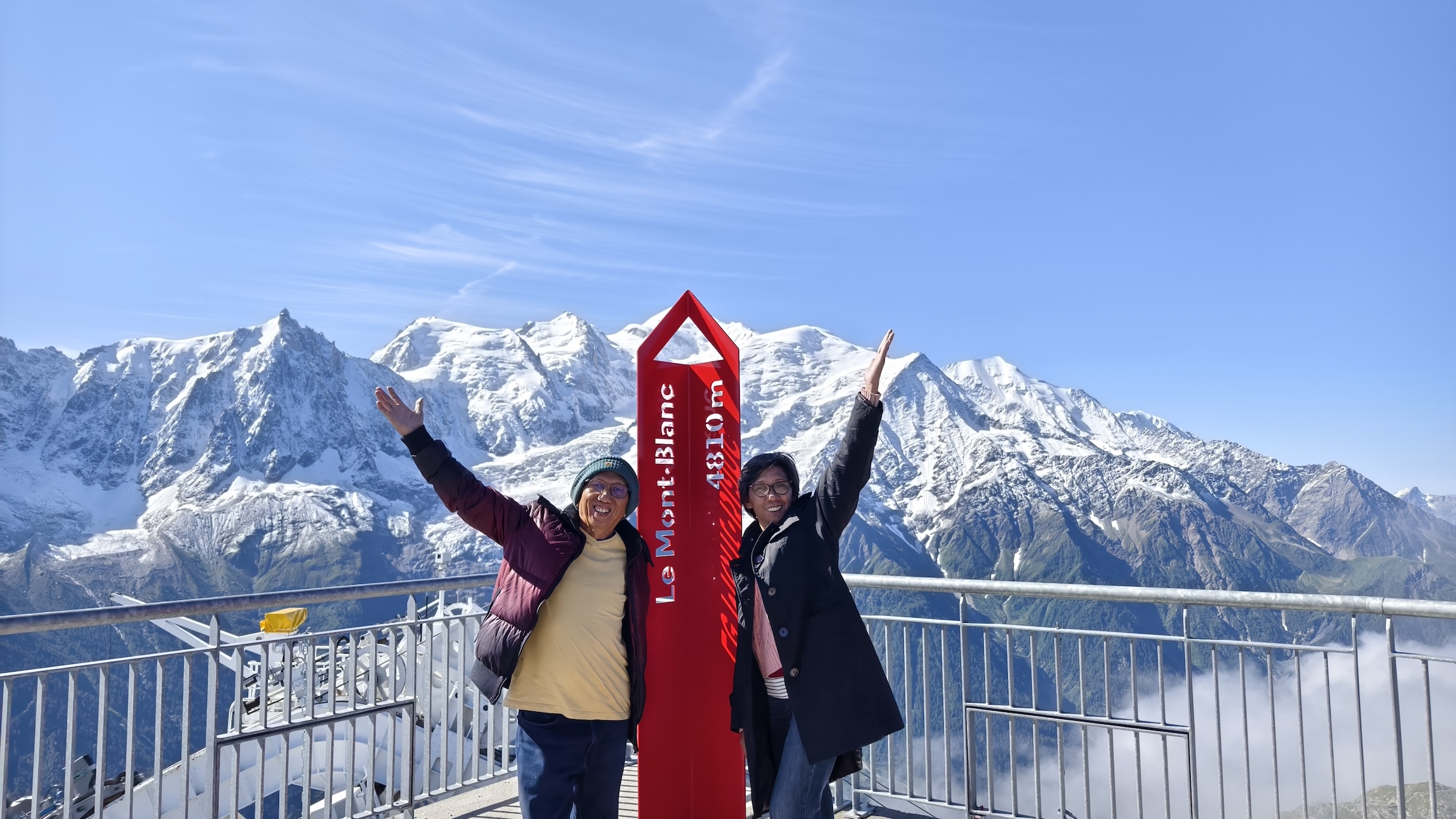
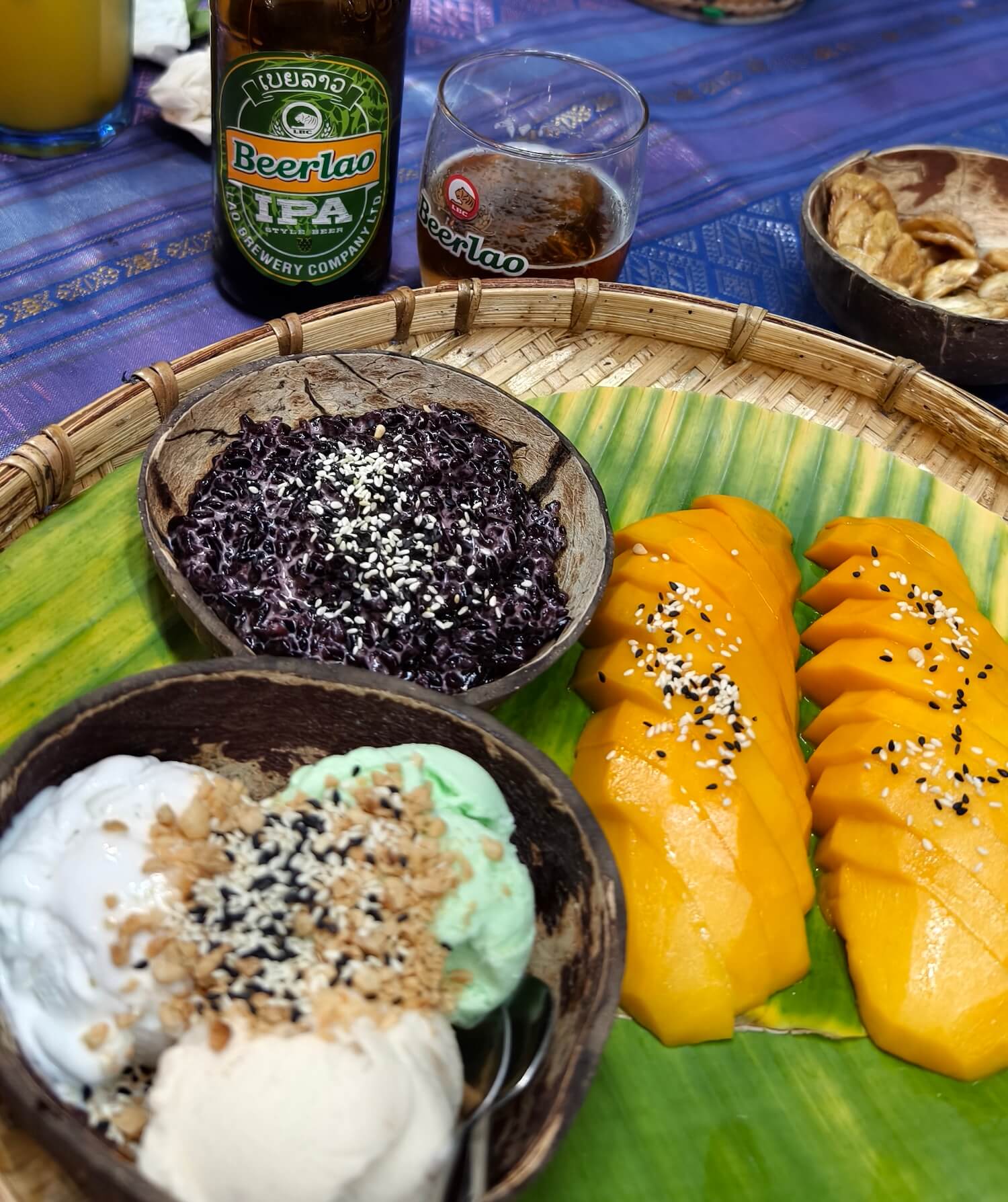
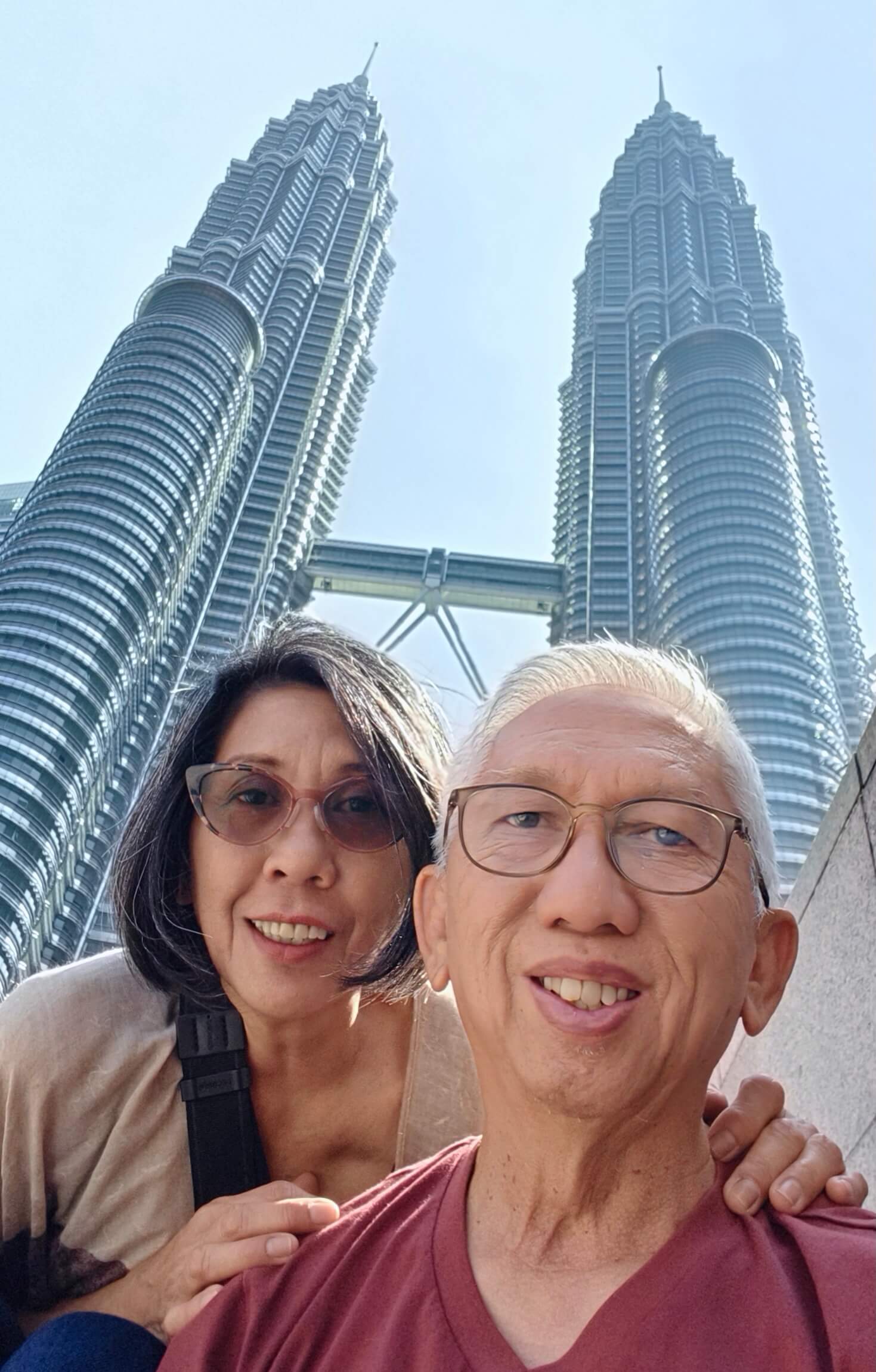
Challenges and joys on the road
Four years of planning led to 132 days and 38,183 kilometres on the road. Even with thorough preparation and years of overlanding in Indonesia, the border routines during a crossing through 27 countries still surprised them. Chandra and Titik took deep breaths every time they approached a border. They had to be ready to be separated. The routine was always the same: hours of waiting, with Titik and the other passengers made to walk while Chandra and the other drivers inched forward. At some checkpoints, he had to unpack and repack all their belongings. “One time, I said out loud, ‘Look at me! I am an old man hauling all this stuff on my own,’” Chandra recalls with a laugh. “But the officers never help. They are used to it, and that is simply how things work.” The couple agreed that border crossings were among the most challenging moments.
Another blow came later, when they lost nearly all their travel videos and photos. “In Paris, my backpack was taken”, says Chandra. “Inside were my laptop, hard drive, and all the documentation. Only the files on our phones and a few stored elsewhere remained.” Titik and Chandra created a YouTube channel, also called “Berjalan Lebih Jauh”, to document their journey. With the laptop gone, their plan to feature every part of the trip was put on hold. “That is one of the hardest losses. But that is life: you experience everything along the way. And this journey is like a miniature of our life.” Despite the setbacks, the Badudus count their blessings. “Our car never broke down, and we were never in an accident. Above all, we must give thanks to God for the blessings we do receive. The losses are there to remind us to appreciate the joys,” Chandra adds.
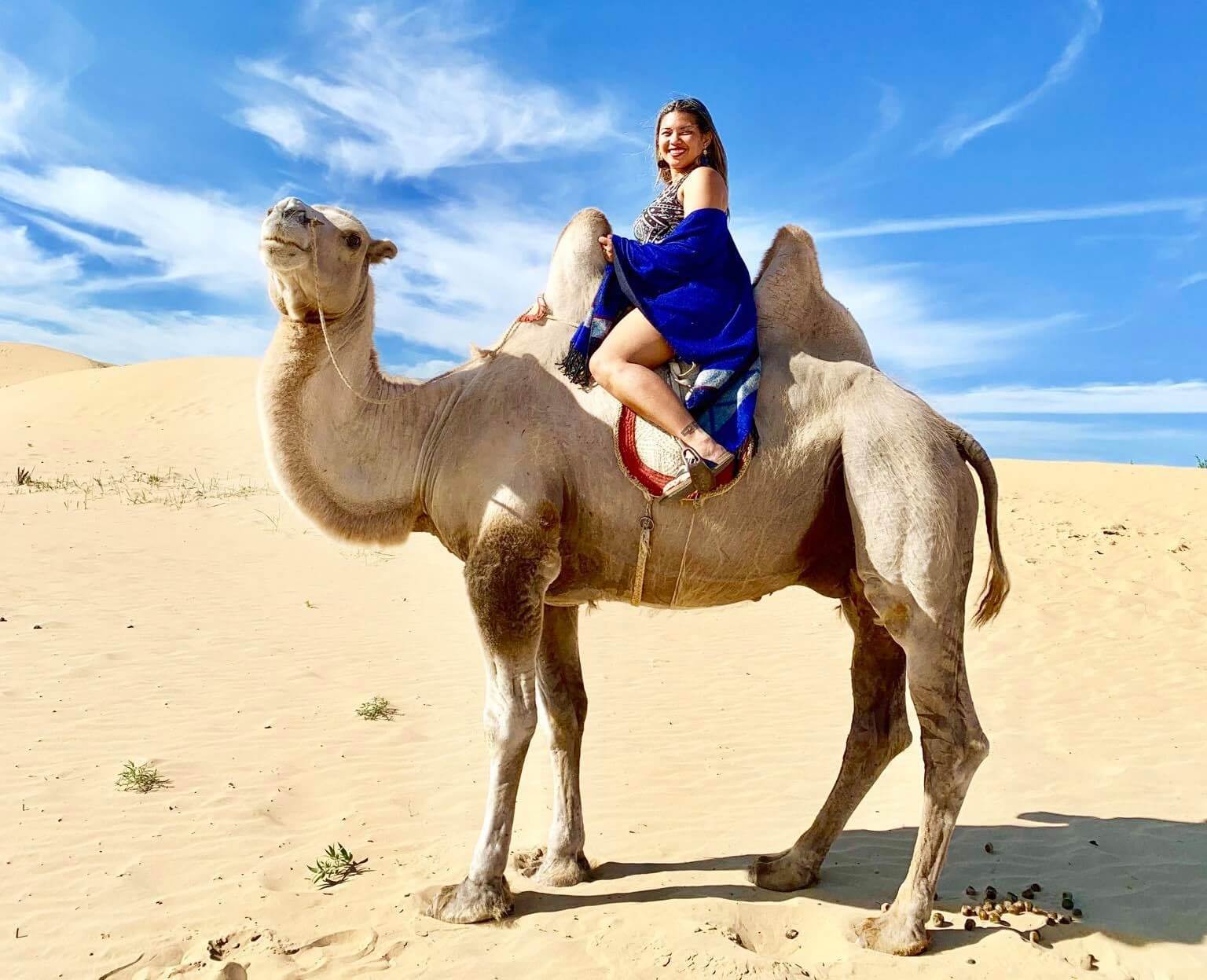
Driven by a love of travel and empowerment
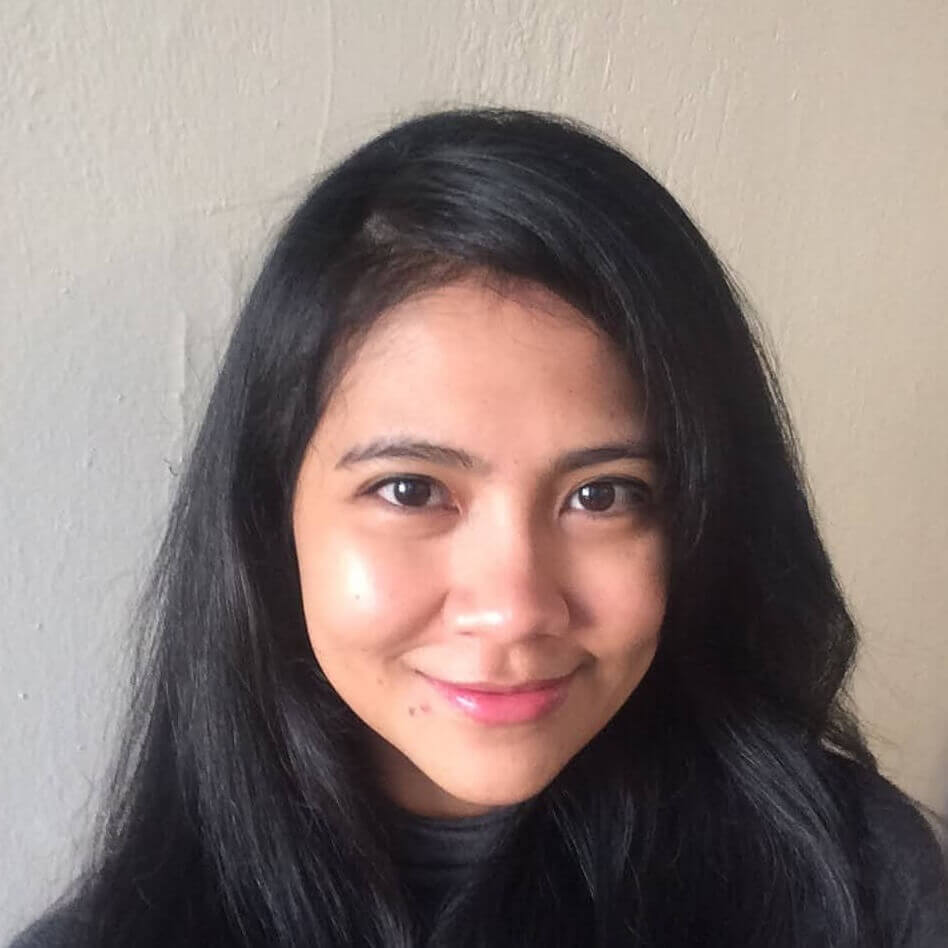
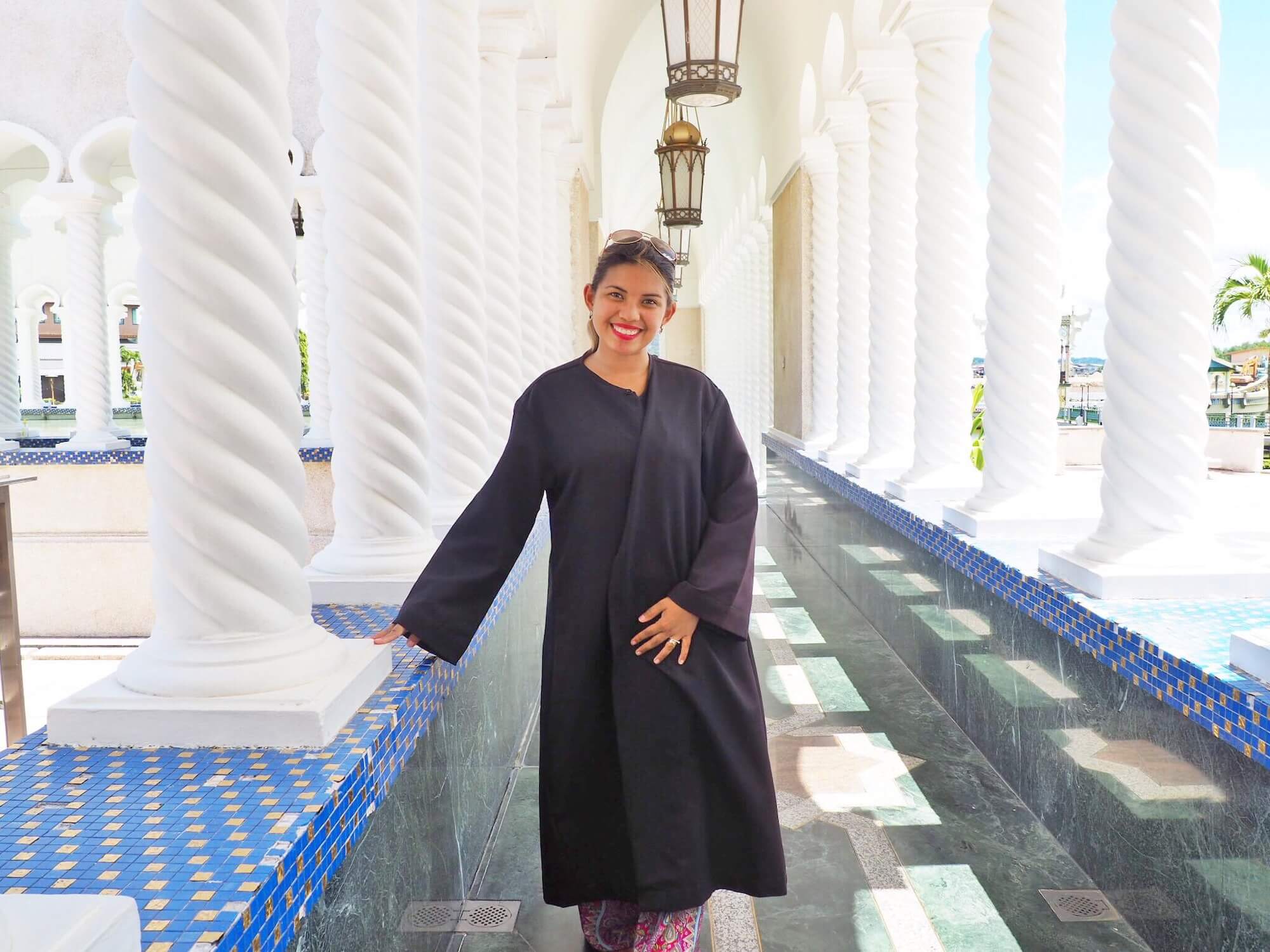
Thirty-seven-year-old Kach Umandap is the first and youngest Filipino to visit all 193 UN Member States using a Philippine passport, a feat verified by NomadMania in January 2025. For Kach, it was not her ultimate goal. The joy of travelling and meeting new people was always her desire, despite the initial hardships. “My first job in Kuwait was documenting the plight of runaway overseas Filipino workers,” she says. “They were abused and beaten by their employers. Many stayed at the Philippine Embassy, asking the government to help them get back home. I interviewed them. I asked, ‘Why did you end up here in Kuwait? Who recruited you? What kind of opportunities were you looking for?” That experience stayed with her. “I thought, maybe one day our people will not be disrespected like this; that they can have opportunities without leaving the country.” Her reflections, along with her love of travel, led her to write a blog. As she travels, she writes about the things she has learned, including the ins and outs of remote work.
In 2014 and 2015, during the early boom of blogs, Instagram, and Facebook, her articles began to go viral. Page views rose from about 100,000 to between 500,000 and 1 million. With that traffic, she earned around 300 to 400 US dollars from advertising and realised her following was growing fast. “I realised I could make money just from the website.”
As her readership grew, her goals shifted. First, she aimed to visit all continents, which she achieved within a few years. She then set her sights on all 193 UN Member States. “I told myself, more people will listen if I achieve something diffi cult, something not many people can do. So I made myself an example.” To stretch her budget, she backpacked and slept on couches. “I visited at least 60 countries where a friend of a friend helped me with accommodation,” she says. She also worked remotely to earn money. “If you want to travel the world, you can apply for visas and get work certifications. You can be a virtual assistant, a research assistant, or do customer service work, as long as you have a computer.” Her blog has grown into a platform that connects her with tourism boards and officials. That network now supports a company she runs that helps people who want to travel and offers curated packages. “It has been 18 years of constant learning, picking up new skills and keeping pace with technology. At the beginning, I was simply trying to save money and solve my own problems. I proactively sought opportunities and was not afraid to hear ‘no’. Now I want to teach others how.” Kach has published a book in Tagalog, “How to Be a Digital Nomad,” for readers who do not have access to her online work. “I want to show that it is possible. There is an alternative career path for us. We can work online, earn an income, and still serve our country.”

Seeing through the ASEAN lens
Chandra and Titik would love to see smoother border experiences closer to home. “In Europe, once you enter the Schengen countries, you can keep driving. There are hardly any border checks,” Chandra says. “We hope someday it can be like that across ASEAN countries.” Kach, on the other hand, enjoys the small perks of being ASEAN citizen when travelling within the region. “In some ASEAN airports, there are special lanes just for us, alongside the lines for locals and foreigners. You feel empowered having that perk,” she says. “And the people, when they know you are from the Philippines, will say ‘Oh, I know someone from the Philippines,’ and you feel the warmth.” No matter what obstacles they face, these travellers still want more.
For Chandra and Titik, however, travel is never about reaching a fi nish line. “If the goal is Germany, we can fl y straight there,” Chandra says. “What we enjoy is the road itself—meeting people, seeing places off the highway.” They prefer guesthouses in villages over hotels in big cities, where they can talk with owners and get a glimpse of local life. “You see the true character of a country, not just its landscapes but also its people,” Titik adds. Kach carries a different lesson. Her guiding principle is reciprocity. “Your network is your net worth. Networking only works if both sides give value.” When strangers offer her a couch, she cooks Filipino adobo. When hotels host her, she writes about them for her readers. She also sees increasing travel to and within ASEAN as a positive sign for the region’s future. “They should never forget that a new generation of remote workers is coming. That will help the tourism of the entire region.” To ASEAN citizens who want to follow suit, this is their message: “Build your dream first,” Chandra urges. “If you are still young, time is plenty. If you are tied down with work or children, that dream can still grow little by little. Save, gather information three or four years in advance, and prepare. We are always ready to share our experience if anyone wants to do the same.” Meanwhile, for Kach, the road ahead is still open. “Now that I am back in the Philippines, I aim to travel to more ASEAN countries, especially the provincial side, and to talk to my fellow ASEAN people,” she says.