
The annual ASEAN Tourism Awards, presented at the ASEAN Tourism Forum, recognise top tourism performers based on standards developed by ASEAN. The recipients of the 2025 ASEAN Tourism Awards were as follows: 30 establishments for the ASEAN Homestay Award; 41 communities for the ASEAN Community-Based Tourism; 41 venues for the ASEAN Public Toilet Award; and 42 establishments for the ASEAN Spa Services Award. Here, we feature some of the 2024 and 2025 recipients of the ASEAN Tourism Awards.
Trueliving Spa & Studio, Brunei Darussalam
Winner, ASEAN Spa Standard Award 2025-2027
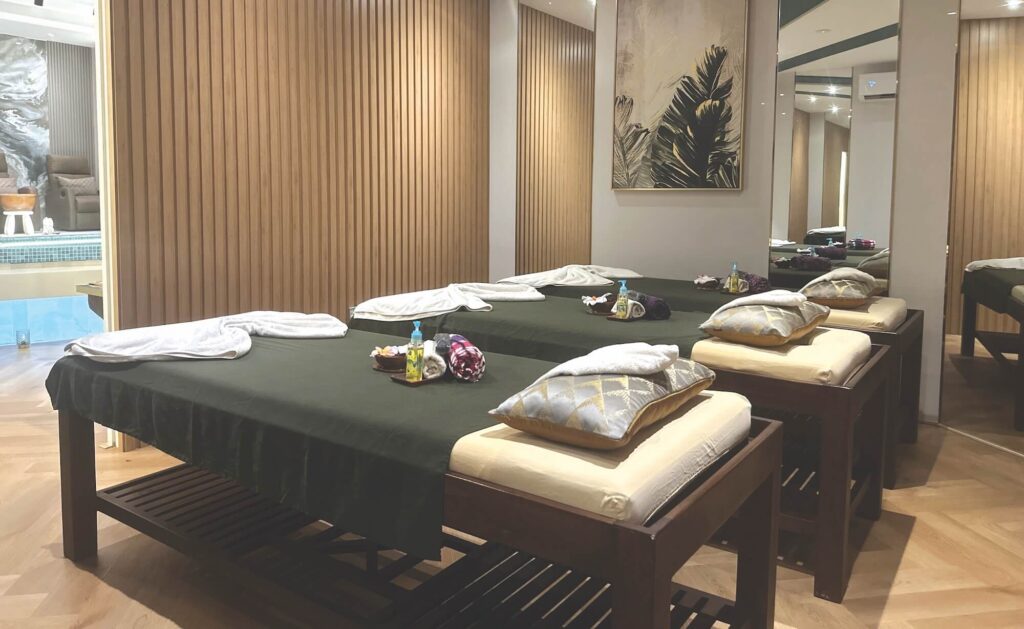
Tucked away in Kampong Sengkurong, Trueliving Spa & Studio has become one of Brunei’s most cherished sanctuaries for women seeking rest, renewal and quiet escape. More than a spa, it is a thoughtfully crafted haven where every detail—from its female-only team to its serene water views—is designed with women in mind. Founded in 2018 by Datin Hjh Zaliha binti Hj Mohiddin, Trueliving began as her personal mission to provide a safe, nurturing space where women could retreat from daily demands and reconnect with themselves. Her vision later expanded with Al.Tru.Est, a wellness wing dedicated to group healing and celebrations—proof that self- care can also be a shared or communal experience.
Guests indulge in Balinese massages, hot stone therapy, steam and hydrotherapy rituals, fl ower baths and more—each tailored to soothe body and spirit. The spa’s consistent excellence has earned it the ASEAN Spa Standard Award across multiple terms, cementing its regional reputation. “It never disappoints—I leave refreshed every time,” shares one regular guest. “Every detail is so thoughtful, right down to the music and room temperature,” says another. At Trueliving, healing is not just offered — it is anticipated.
— Trueliving Spa & Studio
Banteay Chhmar, Cambodia
Winner, ASEAN Community-based Tourism Award 2025-2027
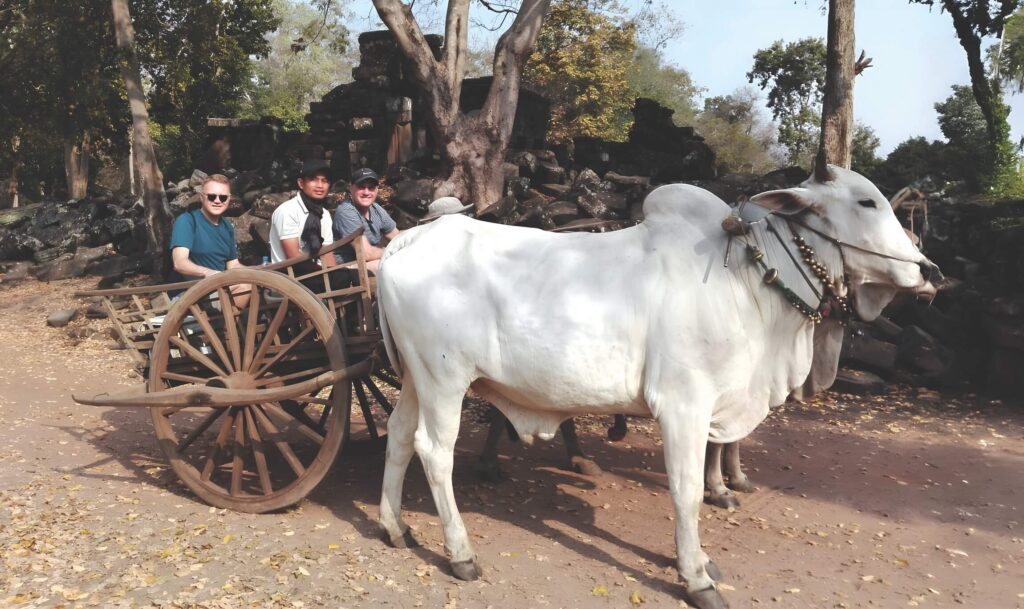
Banteay Chhmar is a rural community located in Banteay Meanchey Province, in northwestern Cambodia. Established on 7 January 2017, the Banteay Chhmar community-based tourism programme aims to promote sustainable tourism while supporting the local community. The initiative has successfully attracted visitors eager to explore the region’s rich cultural heritage and natural beauty. The community management structure includes clear administration and internal regulations. Following the Ministry of Tourism Standards, the programme takes into account the interests of the local community and environmental sanitation; encourages people’s participation in the conservation and development of Banteay Chhmar Temple; and respects the principles of the Royal Government of Cambodia— earning the programme the nation’s standards award.
The community-based initiative has empowered local residents and enhanced their ability to promote sustainable tourism practices. All tourism services, such as accommodation, food, guides, traditional music groups, and transportation, are provided by the local community. The benefi ts are distributed transparently to ensure sustainability and foster a sense of ownership among the residents. By promoting a sense of ownership and responsibility, the community can ensure the long-term preservation of their cultural heritage while benefiting economically from visitors. This collaborative approach enhances the visitor experience and empowers the local population, creating a vibrant cultural exchange that honours the rich heritage of Banteay Chhmar Temple.
— Ministry of Tourism, Cambodia
Osing Kemiren Village, Indonesia
Winner, ASEAN Community- Based Tourism Award 2025
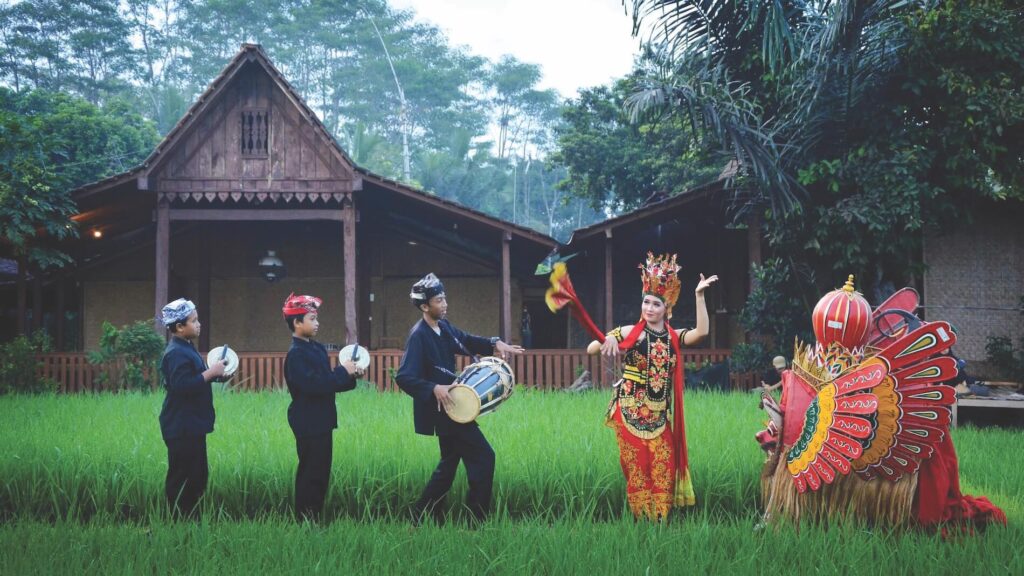
Osing Kemiren Village earned its tourism standards award through a remarkable balance of cultural authenticity, sustainable innovation, and community empowerment. What sets the village apart is its ability to transform traditional heritage into a thriving, living experience. The Osing people’s daily practices—such as the Barong Ider Bumi ritual for spiritual purifi cation and the Tumpeng Sewu communal feast—are not mere performances but heartfelt expressions of faith and unity that attract travellers seeking genuine cultural immersion. Situated within the UNESCO-recognised Ijen Geopark, Kemiren also champions eco-conscious living through renewable energy, biogas utilization, and community-driven waste management. Its seamless blend of green initiatives and digital progress, including QRIS-based cashless payments and online marketplaces, empowers local artisans and boosts the village economy. Governance in Kemiren is participatory, uniting village authorities, local enterprises, and cultural groups to ensure inclusive growth and gender equality. Through these integrated efforts, Osing Kemiren Village exemplifi es the future of responsible tourism—where innovation sustains tradition, and every visitor becomes part of its enduring story.
— Ministry of Tourism, Indonesia
Nam Et-Phou Louey, Lao PDR
Winner, ASEAN Community-Based Ecotourism 2025
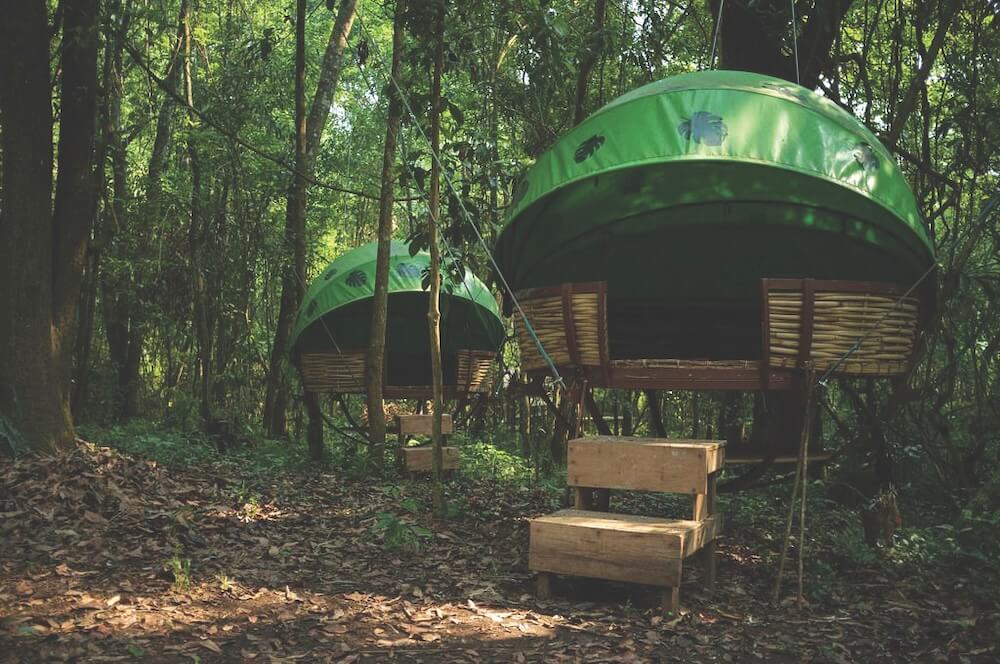
Nestled in the remote mountains of northern Laos, Nam Et-Phou Louey National Park (NEPL NP) stands as the country’s leading example of sustainable, community-based ecotourism that is directly linked to conservation outcomes. Spanning more than 400,000 hectares across three provinces, the park is one of the most biodiverse landscapes in the region, home to rare and endangered species such as the clouded leopard, Asian golden cat, white-cheeked gibbon, and over 300 bird species. The park’s fl agship ecotourism experiences, the Nam Nern Night Safari and the Phou Louey Cloud Forest Trek (The Nests), stand among the most innovative and rewarding wildlife adventures in Southeast Asia. The Nam Nern Night Safari offers a rare nighttime river journey deep into the forest with traditional long-tail boats, where visitors can spot sambar deer, civets, owls, and even elusive wild cats like the Asian golden cat and more, combined with riverside meals, cultural exchanges, and overnight ecolodges run by ethnic communities. The Phou Louey Trek takes travellers on a multiday expedition through cloud forests and salt licks rich in biodiversity, featuring overnight stays in eco- designed “Nests” and opportunities to view wildlife through camera traps, directly spot rare primates and birds, have forest walks among medicinal plants, and share stories and traditions by local guides, enriching the experience with cultural depth. More than 150 households serve as ecotourism service providers (guides, porters, cooks, boat operators, lodge hosts), and 26 villages (over 2,000 households) derive benefi t from the Ecotourism Benefi ts Fund (EBF). Each tour participant contributes to the EBF. Villages receive both fixed fees and bonus payments based on the numbers and rarity of wildlife observed, while infractions of park regulations (e.g., poaching) lead to penalties, such as service contract termination or reduced EBF allocation. The ecotourism programme has signifi cantly contributed to national park conservation outcomes and local compliance with protected- area rules has improved. Awareness, capacity-building (especially among former hunters) and monitoring (direct and indirect wildlife observations, camera traps, visitor feedback) also augment the park’s ability to manage ecological threats adaptively. For those seeking an authentic nature adventure in Laos, seeing rare species in primary forests, participating in village life, and learning from local guides, a visit to NEPL is both meaningful and impactful.
— Nam Et-Phou Louey
Misompuru Homestay, Malaysia
Winner, ASEAN Community-based Tourism Award 2024-2026
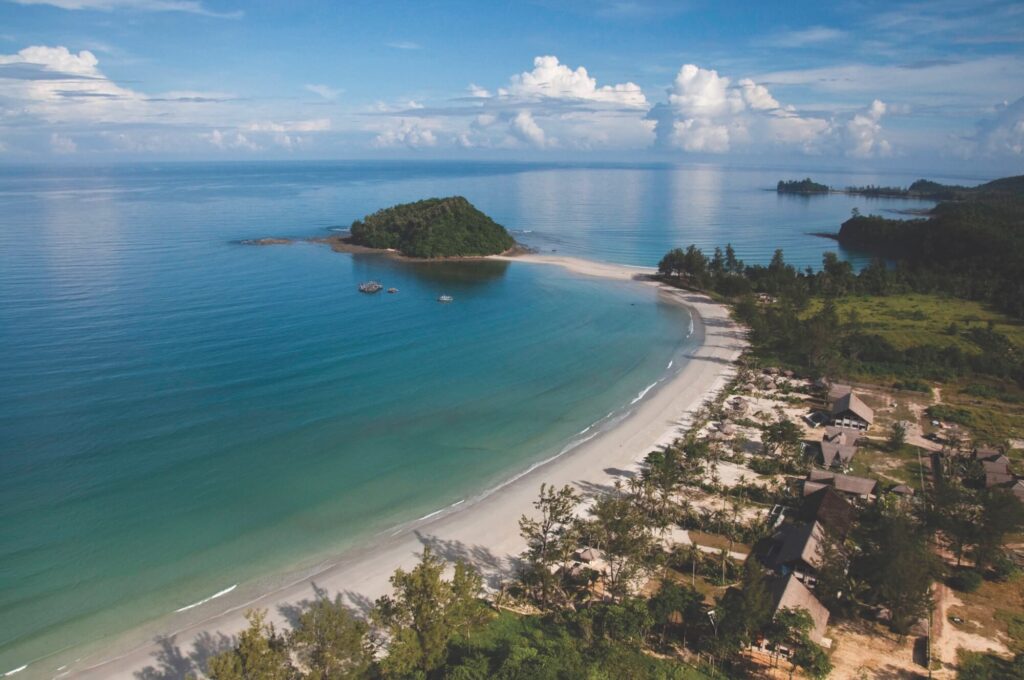
“Misompuru,” meaning gathering in the Dusun language, refl ects the spirit of unity that defi nes this award-winning community-based tourism initiative in Kudat, Sabah. Established in 1999, Misompuru Homestay brings together 15 villages and over 40 host families, offering visitors an authentic window into the daily life, heritage, and traditions of one of Sabah’s prominent indigenous communities. Guests are welcomed to experience a variety of cultural and nature-based activities, from searching for crabs, clams, and other mangrove delicacies to learning traditional gong-making and honey production, and sampling time- honoured Rungus dishes. Evenings often come alive with vibrant traditional dance performances, inviting visitors to join and creating memorable moments of cultural exchange.
Over the years, Misompuru Homestay has garnered numerous local and regional accolades, including the prestigious ASEAN Community- Based Tourism Standard Award. Its success has signifi cantly improved the community’s socio-economic well-being while safeguarding their cultural heritage and strengthening familial ties. The homestay has earned moreinternational recognition includes performing the Rungus traditional dance at the International Cultural Festival in Paris in 2014 and being featured by the Asian Productivity Organization (APO) Japan as a model for homestay development.
— Ministry of Tourism, Arts and Culture, Malaysia
Nadia Spa at Wyndham Grand Yangon Hotel, Myanmar
Winner, ASEAN Spa Standard Award 2025-2026

Nadia Spa at Wyndham Grand Yangon received the ASEAN Spa Standard AwardAward for its exemplary commitment to excellence, professionalism, and adherence to the highest standards of spa and wellness services. This recognition refl ects the spa’s successful integration of internationally recognised service benchmarks with authentic cultural heritage of Myanmar, resulting in a distinct and immersive guest experience. The spa has shown outstanding performance through consistently superior service delivery, supported by well-trained certifi ed therapists, structured operational procedures, and stringent hygiene and safety protocols that exceed industry requirements. Its curated treatment offerings, including traditional Thanaka-based therapies and indigenous herbal wellness rituals, highlight a strong sense of place while preserving local traditions and promoting cultural sustainability.
Nadia Spa has also shown notable leadership in sustainable and responsible tourism practices, using locally sourced natural products like lemongrass, ginger, turmeric, and tamarind leaves; environmentally conscious operational methods; and initiatives that support local communities and suppliers. The spa’s commitment to personalised guest care is refl ected through tailored spa services and bespoke treatment journeys for valued guests. Through its dedication to cultural authenticity, service excellence, sustainable operations, and continuous innovation, Nadia Spa has established itself as a benchmark for quality within the ASEAN wellness and spa sector, contributing significantly to the growth of Yangon as a leading wellness tourism destination.
— Ms. Thuzar Mitchell, Wyndham Grand Yangon
Bohol Beach Club, Philippines
Winner, ASEAN Green Hotel Award 2024
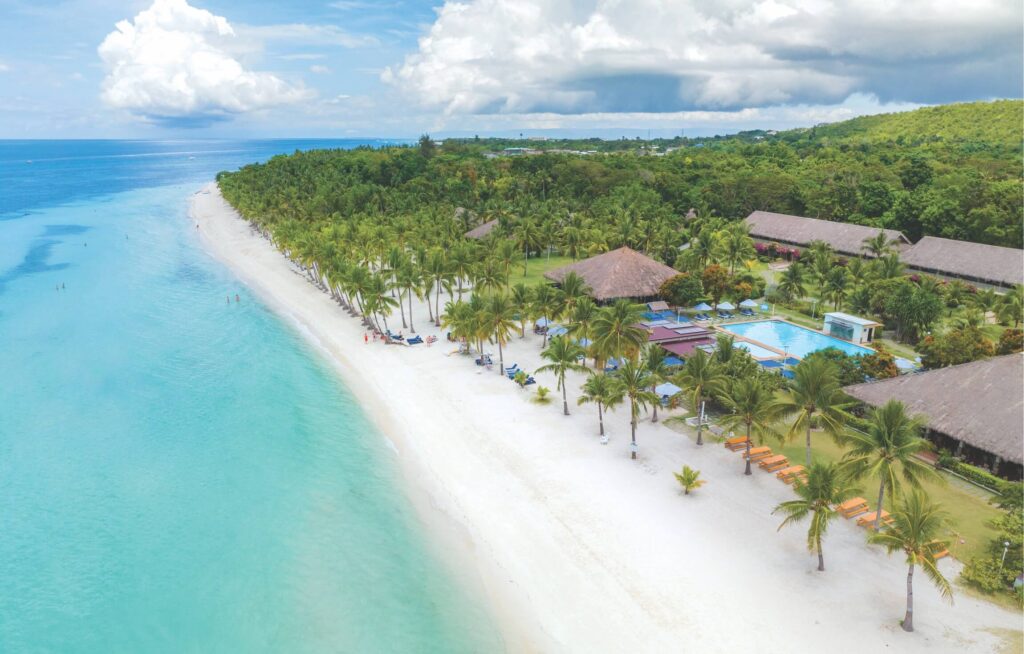
Nestled along the serene coastline of Panglao Island, Bohol Beach Club (BBC) is renowned for its powdery white sands, crystal-clear waters, and heartfelt Filipino hospitality. Beyond its postcard-perfect scenery, BBC is committed to sustainable tourism, environmental stewardship, and genuine care for both the community and nature. Every aspect of BBC’s operations integrates sustainability—not as a trend, but as a way of life—to deliver an exceptional guest experience. BBC operates its own Sewage Treatment Plant to treat and reuse wastewater for landscape irrigation, keeping the resort’s tropical gardens thriving without placing unnecessary strain on local freshwater sources. The resort also collects rainwater for cleaning and irrigation use, enhancing resilience during dry seasons. Friendly signages in guestrooms encourage mindful water and electricity use. BBC practices responsible waste management with Material Recovery Facility. Plastic bottles are sold to accredited local scrap buyers, while hazardous wastes including used oil are securely stored and disposed of through an accredited treater or transporter. Kitchen wastes are fed to BBC’s piggery, creating a closed-loop system that turns food waste into sustainable livestock feed. Energy effi ciency is built into BBC’s design through traditional cogon roofi ng in guest rooms and common areas, helping to reduce the need for air conditioning. Solar panels power parts of the resort’s operations, and a heat pump system provides effi cient cooling for back offi ce areas. Fresh herbs such as mint, basil, and chili are grown on-site in BBC’s organic garden, ensuring freshness while reducing carbon footprint through minimized food transport. Beyond its grounds, BBC is deeply engaged in community-based environmental initiatives. BBC actively supports reforestation, planting over 1,450 trees in 2025, including fruit- bearing trees and native species. The resort also participates in coastal and airport clean-up drives to help protect marine ecosystems.
— Department of Tourism, Philippines
Kreta Ayer-Kim Seng Citizens Consultative Committee, Singapore
Winner, ASEAN Community- Based Tourism Award 2025

When the Kreta Ayer-Kim Seng Citizens Consultative Committee received the 4th Community-Based Tourism Award at ASEAN Tourism Forum 2025, it marked a milestone for grassroots cultural preservation in Singapore. What began as volunteer efforts by local residents has evolved into an award-winning model that other ASEAN destinations seek to emulate. At the heart of their success lies the Chinatown Festival Committee, whose 23-year journey organising Singapore’s beloved Chinatown Chinese New Year and Mid-Autumn festivals has transformed a historic precinct into a vibrant cultural destination. What sets them apart is their innovative approach to bridging tradition with modernity. Their 2024 festivals exemplifi ed this vision through partnerships with the Singapore University of Technology and Design and Raffl es Design Institute. Traditional mooncake celebrations were enhanced by contemporary art installations, whilst lion dances are performed alongside student-designed interactive exhibits. This represents cultural evolution in action. Their commitment extends beyond spectacle to sustainability, introducing initiatives like the Mooncake Box Upcycle Workshop that transforms festival waste into community art. Through festival fairs, performances, and hands-on workshops, these volunteer-driven celebrations now attract thousands of visitors annually, proving that authentic community spirit remains tourism’s most powerful draw.
— Singapore Tourism Board
Aonang Princeville Villa Resort & Spa, Thailand
ASEAN Green Hotel Award 2025
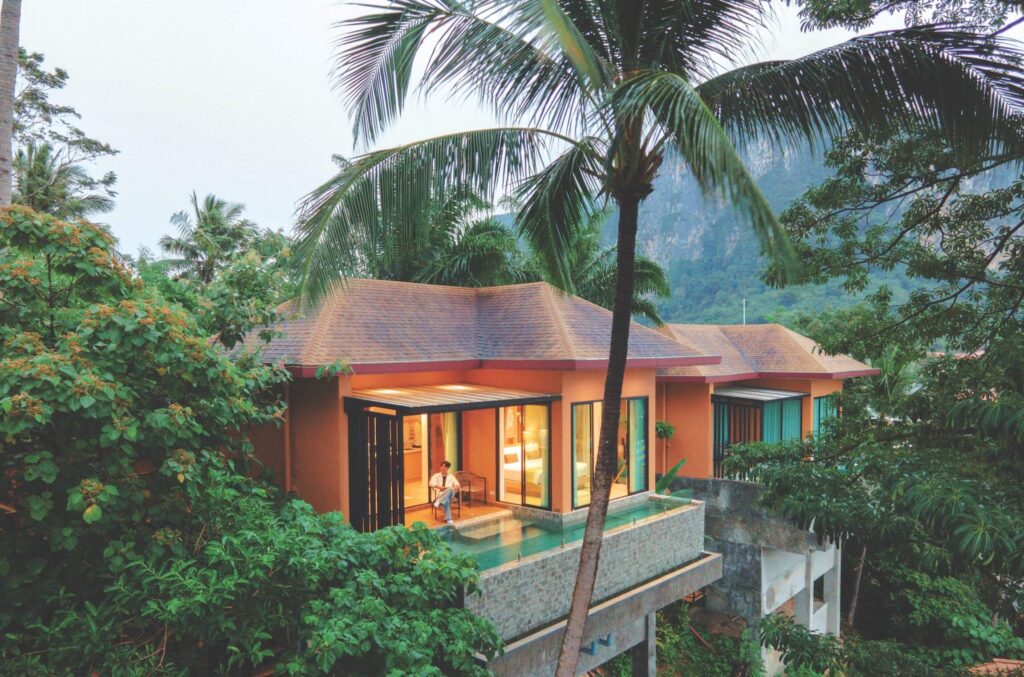
Aonang Princeville Villa Resort & Spa is a distinguished beachfront property in Ao Nang, Krabi, Thailand, uniquely combining sustainability, wellness, and halal- friendly hospitality. The resort has earned numerous sustainability accolades, including the ASEAN Green Hotel Standard and the Thailand Green Hotel Standard (Gold). It was recently honored with the prestigious Kinnaree Green Award at the Thailand Tourism Awards (TTA) for its exceptional commitment to sustainable tourism and social responsibility. Promoting wellness, the resort features traditional Thai massage, herbal aromatherapy, and nutritious local cuisine. Its Princeville Spa received the Gold Level Thailand Tourism Excellence Award for Health and Wellness Tourism. Globally, the resort holds certifi cations like GBAC (Global Biorisk Advisory Council) for outbreak prevention and GHA WellHotel for health, safety, and quality experience. Furthermore, Aonang Princeville is a premier halal tourism destination, featuring a restaurant certifi ed by the Islamic Committee of Krabi and ensuring all facilities and services align with Islamic principles. This commitment to excellence is reinforced by its active participation in standardised greenhouse gas emission assessments.
— Ministry of Tourism and Sports, Thailand and Aonang Princeville Villa Resort & Spa
Thai Hai Village, Viet Nam
Winner, ASEAN Homestay Award 2025
Winner, ASEAN Sustainable Tourism Standard Award 2018
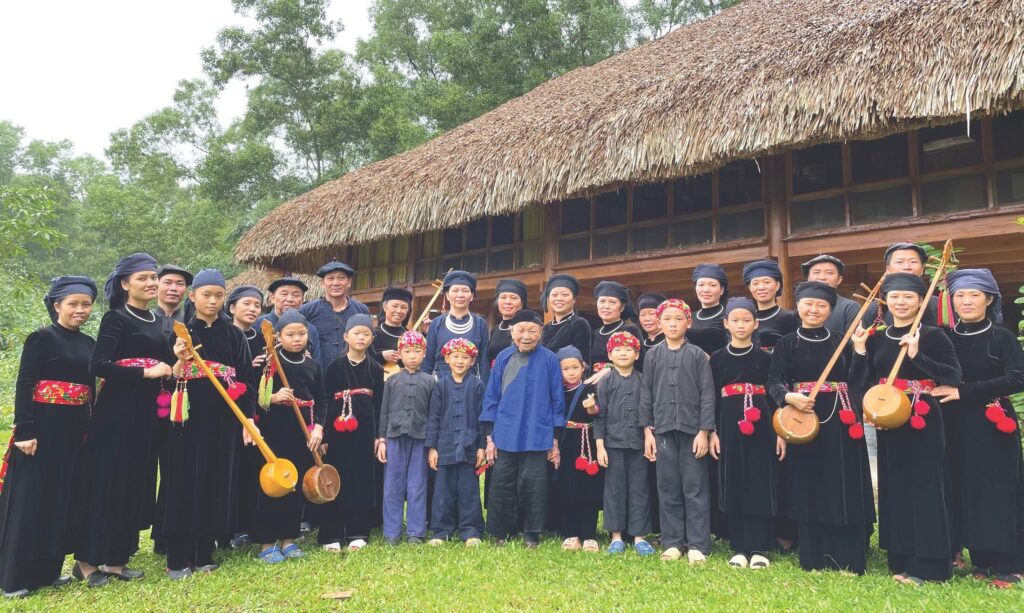
The uniqueness of Thai Hai Village lies in its philosophy of placing people at the heart of all conservation efforts. The community lives by the spirit of “living, working, and sharing together” and embraces the lifestyle of “One meal we share, one purse we bear,” refl ecting deep solidarity and compassion. This strong human connection creates a lasting impression and fosters a meaningful bond between visitors and the local culture. Moreover, tourism in Thai Hai Village embodies a harmonious and sustainable balance between cultural preservation, environmental protection, and community livelihood development. From everyday life to tourism activities, all practices seek to minimise ecological impact and uphold harmony among people, culture, and nature.
Through its community-based and sustainable tourism model, residents actively organise cultural experiences, traditional crafts, folk performances, and authentic Tày cuisine, enabling visitors to immerse themselves in the everyday life of the Tày people. The project has created stable livelihoods for the community while preserving living heritage values, establishing Thai Hai Village as a model of sustainable cultural tourism in Vietnam and across ASEAN.
— Thai Hai Village