Tourism has always been more than leisure—it is about discovery, cultural exchange, and building connections that endure long after the journey ends. This spirit lies at the heart of the ASEAN–India Year of Tourism 2025, an initiative designed to strengthen people-to-people ties, deepen cultural appreciation, and enhance economic collaboration between ASEAN and India.
For ASEAN, India is not just a neighbour but one of its most valued tourism partners. Between 2022 and 2024, India consistently ranked among the top fi ve source markets, contributing millions of travellers to the region, clearly a reflection of the deep cultural and historical connections that unite the two sides. For Indian travellers, ASEAN represents a diverse collection of dream destinations, from world- renowned wedding and honeymoon spots such as Bali (Indonesia), Cebu (the Philippines), and Da Nang (Viet Nam) to the rich heritage landscapes of Angkor Wat (Cambodia) and Bagan (Myanmar). The declaration of 2025 as the ASEAN– India Year of Tourism marks more than a milestone—it refl ects a shared resolve to revitalise travel, foster sustainability, and celebrate cultural diversity. With ASEAN emerging as the world’s fi fth-largest economic bloc in 2024, valued at 4.13 trillion US dollars and India sustaining 6.5 per cent GDP growth (Press Information Bureau, India, 2025) in 2025 with stable inflation, both regions demonstrate strong, balanced momentum. Tourism naturally connects these strengths by linking economies, cultures, and communities to stand as a powerful dynamic for deepening ASEAN–India cooperation in the years ahead.
Turning dreams into action
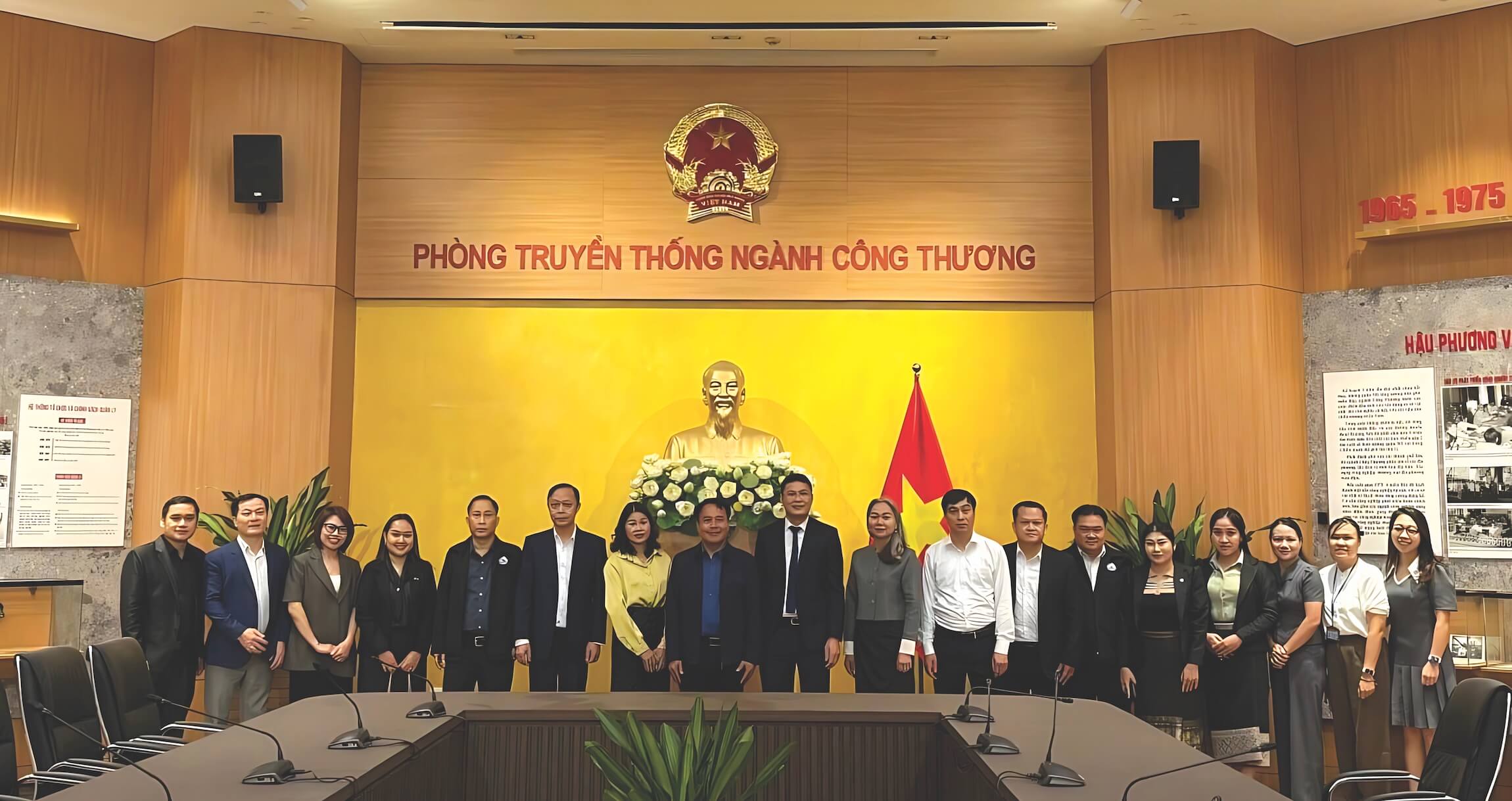
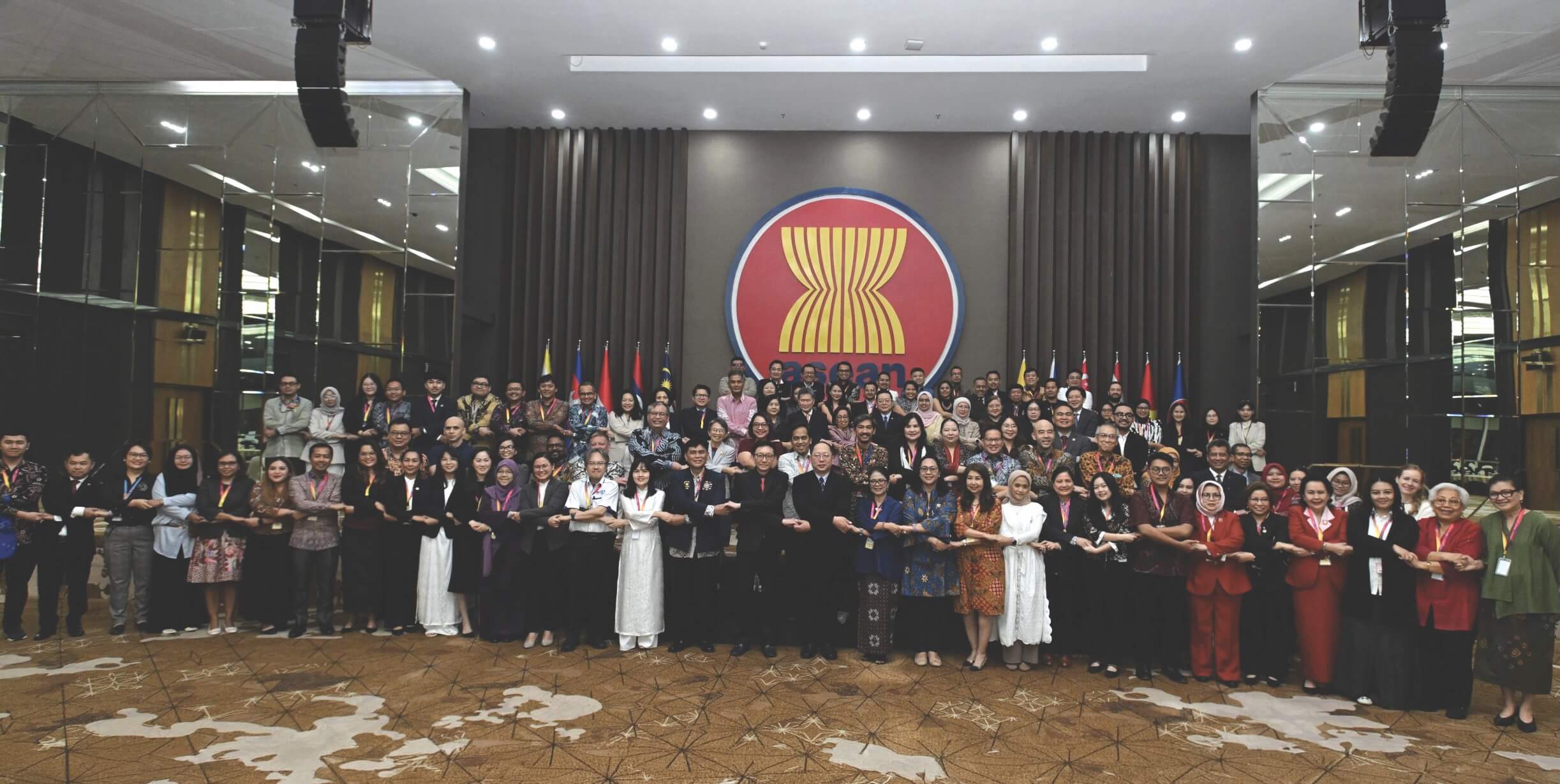
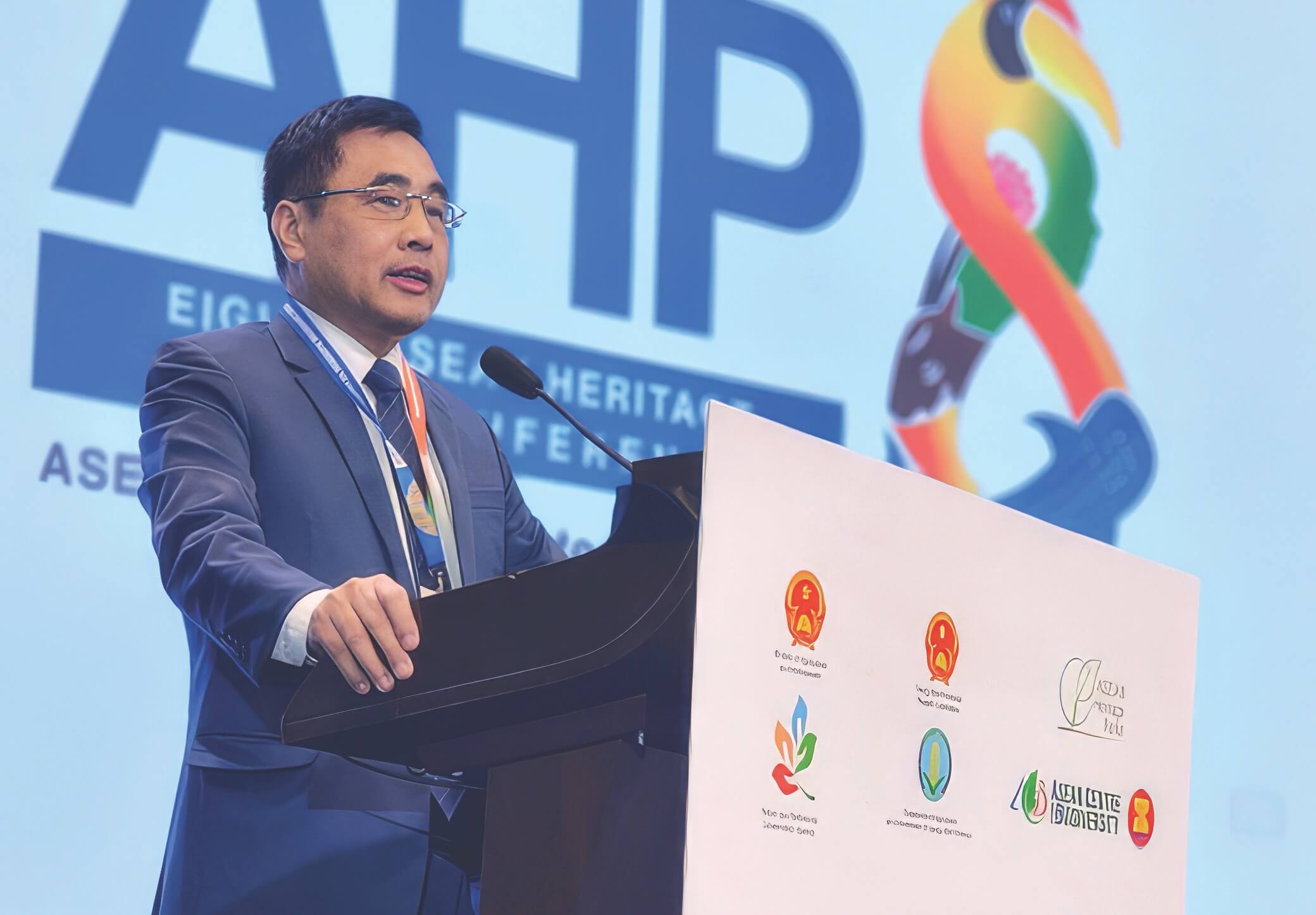
From dialogue to destination showcases, both sides have translated ambition into action. The ASEAN–India Tourism Professionals Exchange Programme has emerged as a fl agship activity, engaging tourism stakeholders, tour operators, and offi cials from both regions. In 2025 alone, ASEAN and India jointly participated in major travel events, including the MATTA (Malaysian Association of Tour & Travel Agents) Fair in Malaysia in April, the PATA (Pacific Asia Travel Association) Travel Mart in August, and the International Travel Expo held in September, and showcased destination packages and deepening tourism partnerships across the two regions. Another milestone was the successful ASEAN–India Cruise Dialogue, hosted by India from 30 June to 1 July 21 2025, which advanced discussions on enhancing cruise connectivity, maritime cooperation, and sustainable tourism. In June, ASEAN NTOs also launched a joint marketing campaign, featuring curated travel experiences across ASEAN destinations for Indian couples and families. The campaign invites travellers to explore Southeast Asia’s romantic landscapes and family-friendly attractions, reinforcing the regional tourism identity as “A Destination for Every Dream.” Collaboration continued through the ASEAN–India Forum, led by Thailand on 23–24 July 2025, which brought together public and private stakeholders to exchange insights on tourism recovery, marketing trends, and sustainability. The ASEAN-India Joint Leaders’ Statement on Sustainable Tourism issued at the 22nd ASEAN-India Summit on 26 October 2025 highlighted mutual commitment to sustainable tourism principles and practices. Looking ahead, ASEAN and India are preparing for another Tourism Professionals Exchange Programme in India, the ASEAN–India Logo Competition—all key milestones marking the successful culmination of this year’s celebration. Together, these efforts refl ect a shared commitment to strengthen ASEAN–India tourism cooperation, promote meaningful people-to-people exchanges, and foster enduring partnerships that will extend well beyond 2025.
Bridging gaps and strengthening cooperation
Yet, as with any ambitious journey, challenges remain. Limited direct air connectivity between secondary cities continues to restrict travel fl ows, making some destinations less accessible for travellers. Visa facilitation, although improving, can still be streamlined to support smoother cross-border movement. Both regions also face the ongoing task of balancing travel facilitation and security, ensuring that growth does not compromise safety. Promoting sustainable and inclusive tourism is another vital task. As visitor numbers rise, protecting natural and cultural assets becomes critical. The growing demand for eco-friendly travel experiences necessitates greater collaboration on sustainable tourism standards, green certifi cation, and community-based tourism initiatives that empower local residents.
Looking ahead: Beyond 2025
The ASEAN–India Year of Tourism 2025 is not an endpoint but a beginning. The foundation built through this year’s activities will support future cooperation in areas such as digital tourism, cruise connectivity, and sustainable destination development. Expanding joint marketing campaigns, enhancing data-sharing mechanisms, and promoting responsible travel practices can also help sustain the momentum achieved in 2025. Looking forward, ASEAN and India share a clear goal: to build a seamless, secure, and sustainable tourism corridor that benefi ts businesses, travellers, and local communities alike. Together, ASEAN and India are transforming travel into a bridge of dreams, where every journey inspires understanding, every exchange deepens friendship, and every destination celebrates our shared future, reaffi rming ASEAN and India as “A Destination for Every Dream.”
References: Economic Research Institute for ASEAN and East Asia (ERIA). (n.d.). ASEAN in the Global Economy: A Half-Century Journey. Retrieved from https://www.eria.org/news-and-views/asean-in-the-global-economy–a-half-century-journey
Press Information Bureau, Government of India. (2025, July 6). With 6.5% GDP growth, India stands as the fastest-growing major economy [Press release]. India’s Economic Surge. With 6.5% GDP growth, India stands as the fastest growing major economy.
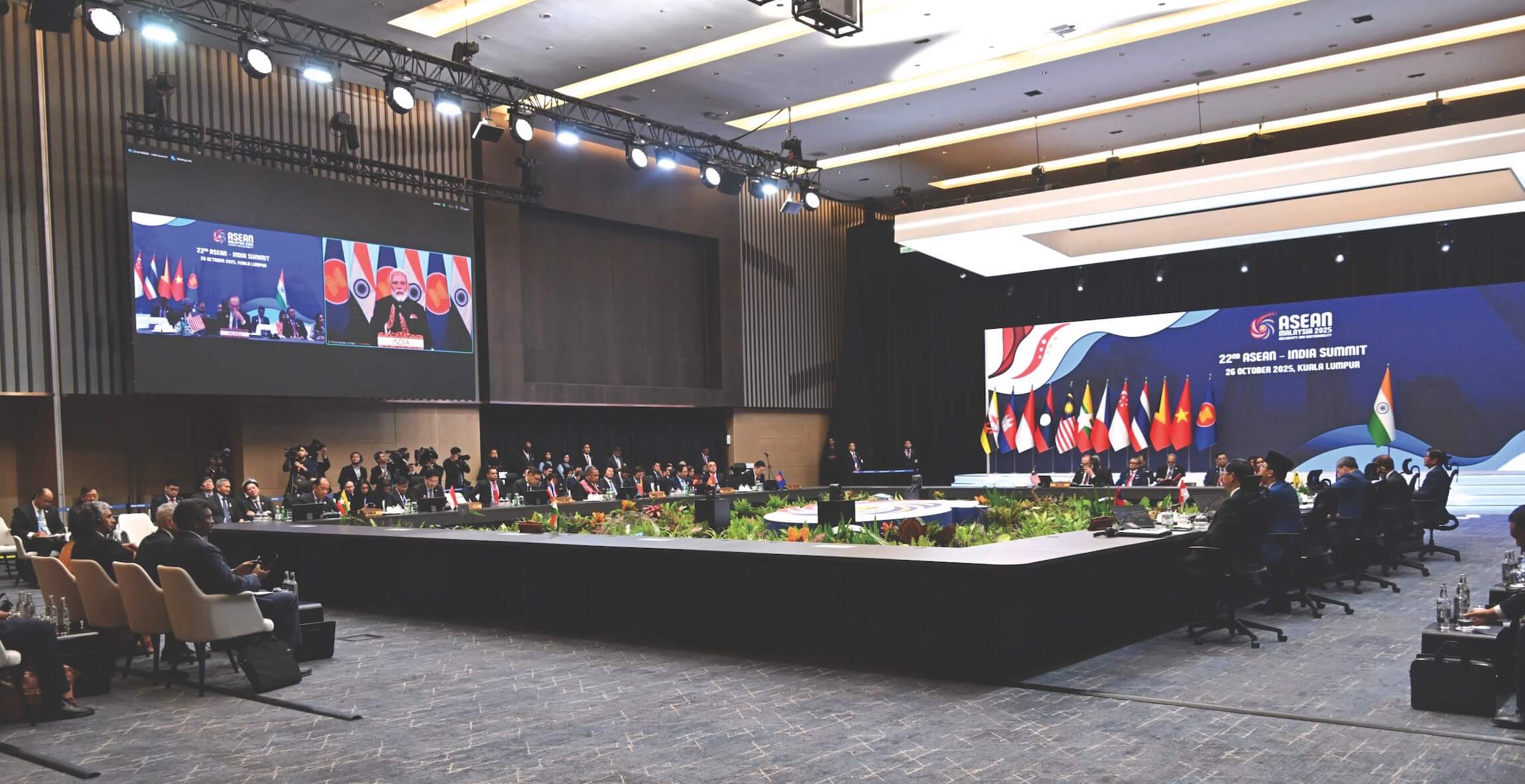
At the 22nd ASEAN-India Summit in Kuala Lumpur held on 26 October 2025, ASEAN Member States and the Republic of India issued a Joint Leaders’ Statement on Sustainable Tourism. The Leaders pledged to “promote sustainable tourism guided by green, blue and circular economy principles that are pro-planet and nature-positive and address local communities and eco-system needs, while ensuring a high-quality tourist experience and industry growth.”
Read the full statement here: https://asean.org/wp-content/uploads/2025/10/4.-Final-ASEAN-India-Joint-Leaders-Statement-on-Sustainable-Tourism.pdf