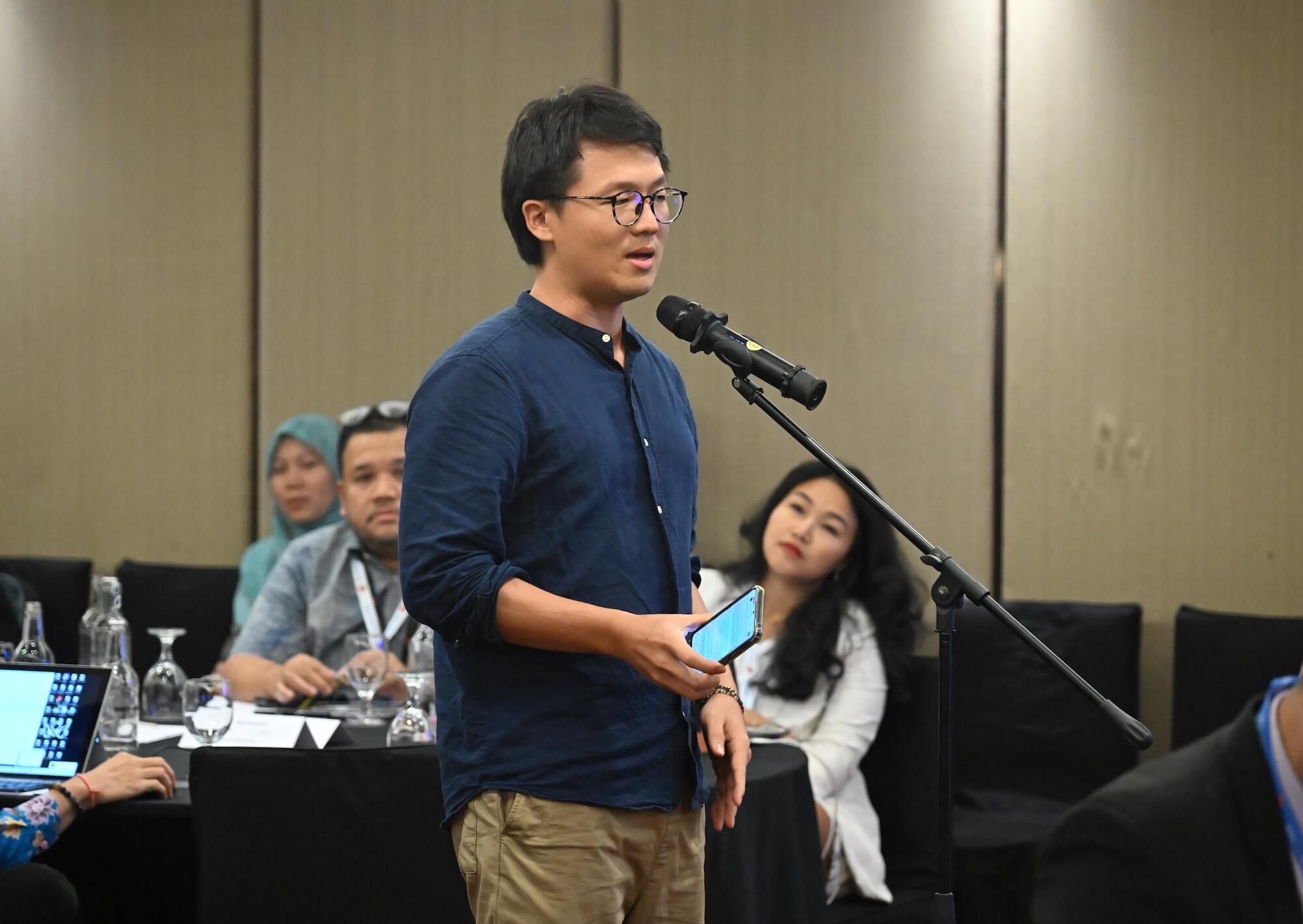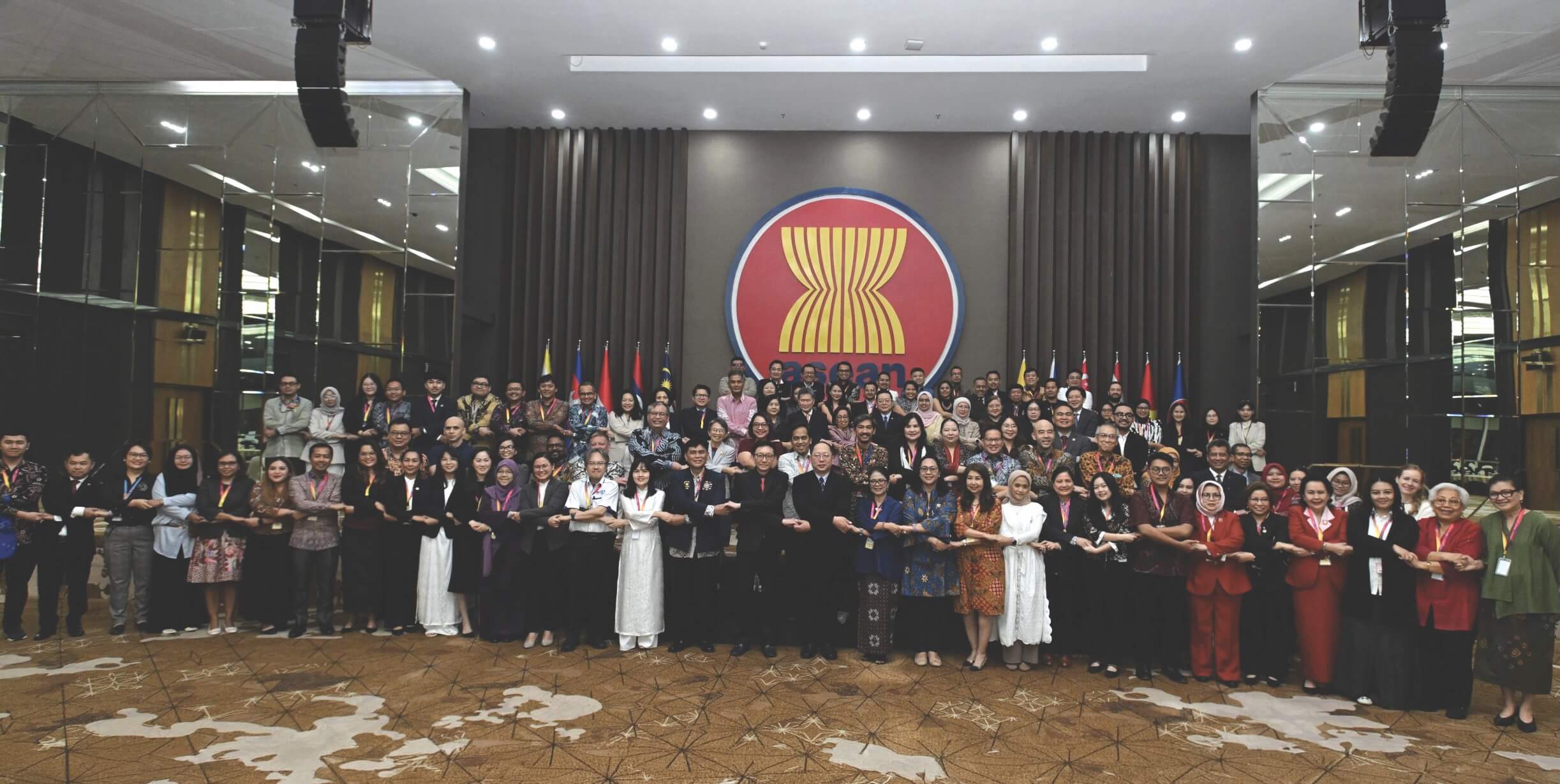
The ASEAN Media Forum (AMF) was initially convened on 4 August 2017 in Manila, Philippines, to commemorate the 50th anniversary of ASEAN. Since that inaugural meeting, the AMF has evolved into a well-established regional platform that fosters connections among journalists, media leaders, and policymakers. Its mission is clearly defi ned: to facilitate the exchange of critical insights, enhance collaboration, and articulate the ongoing development of the ASEAN Community. The organisation of the AMF is undertaken by the Community Affairs Directorate of the Jakarta-based ASEAN Secretariat with support from the Federal Government of Germany via GIZ.
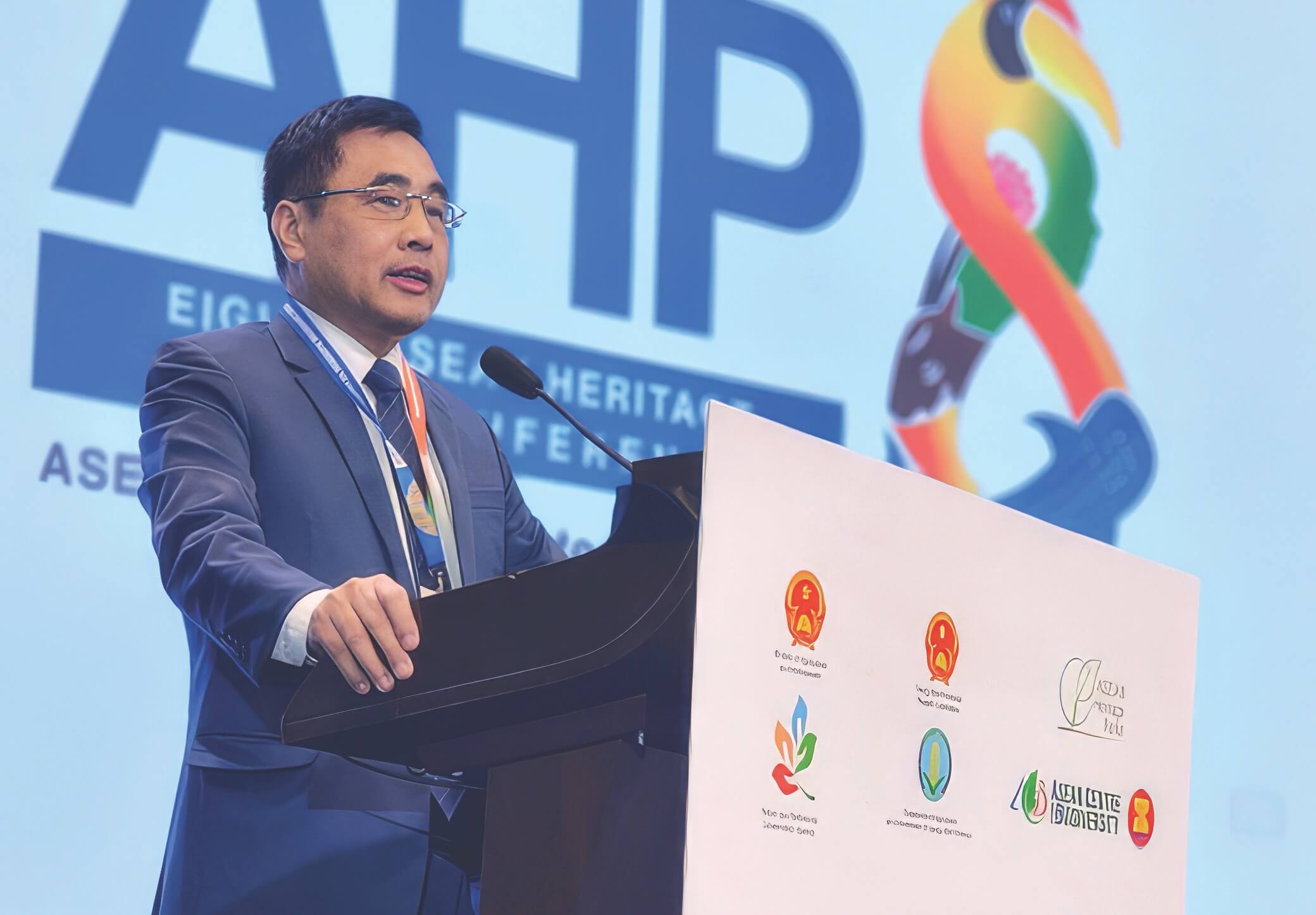
Following the conclusion of the 47th ASEAN Summit, which took place from 26 to 28 October 2025, the 9th AMF convened in Kuala Lumpur, Malaysia, on 6 November 2025. The forum served as a crucial platform for media representatives from all 11 ASEAN Member States to engage directly with ASEAN officials, policymakers, academics, and business leaders regarding the Summit’s outcomes and other pertinent developments. The 9th AMF commenced with an inaugural address from the Secretary- General of ASEAN, Dr. Kao Kim Hourn. He highlighted a year marked by significant transformational milestones under Malaysia’s leadership and emphasised the theme “Inclusivity and Sustainability.” SG Dr. Kao acknowledged the accession of Timor-Leste as the region’s 11th member and celebrated the diplomatic achievements of ASEAN, notably the Kuala Lumpur Peace Accord, which resulted in a ceasefire between Cambodia and Thailand. From an economic perspective, key accomplishments such as the upgrading of the ASEAN-China Free Trade Agreement (FTA) to version 3.0 and the establishment of the ASEAN Digital Economy Framework Agreement (DEFA) reinforce the organisation’s vision of a community prepared for the future. As ASEAN strives towards its 2045 objectives, SG Dr. Kao underscored the crucial role of the media in effectively conveying this aspirational agenda and actively countering misinformation to foster a transparent and resilient regional bloc. As ASEAN advances its community development efforts, fostering a sense of shared belonging among our populations remains crucial. Furthermore, it is vital that the significance and effects of regional integration are conveyed in a clear, direct, and precise manner to our citizens,” SG Dr. Kao stated in his remarks. SG Dr. Kao also stressed the importance of storytelling in facilitating audiences’ understanding and appreciation of ASEAN’s initiatives to enhance the quality of life for its citizens across the region. “Over the years, the ASEAN Media Forum has developed into a vital platform for ASEAN, through the ASEAN Chair, to communicate our region’s priorities, progress, and the challenges we encounter to the media. It is evident that our focus extends beyond merely celebrating our achievements and successes; we also acknowledge the potential challenges that the region might face.” Delivering her keynote address, YBhg. Dato’ Zanariah Zainal Abidin, Director- General of the ASEAN-Malaysia National Secretariat, reiterated the successes of the Malaysian Chairmanship in terms of “Inclusivity and Sustainability.” The most significant achievement was the adoption of the ASEAN Community Vision 2045, which provides a strategic framework for a resilient and people-centred future. In alignment with SG Dr. Kao’s remarks, she also underscored other major accomplishments, such as the increased engagement in Myanmar, the Kuala Lumpur Peace Accord, which resolved the Cambodia-Thailand border dispute, and economic advancements facilitated by the enactment of RCEP and the enhancement of the ASEAN-China Free Trade Agreement 3.0. Additionally, she highlighted progress on the ASEAN Power Grid and emphasised the media’s essential role in addressing misinformation and fostering digital inclusivity.
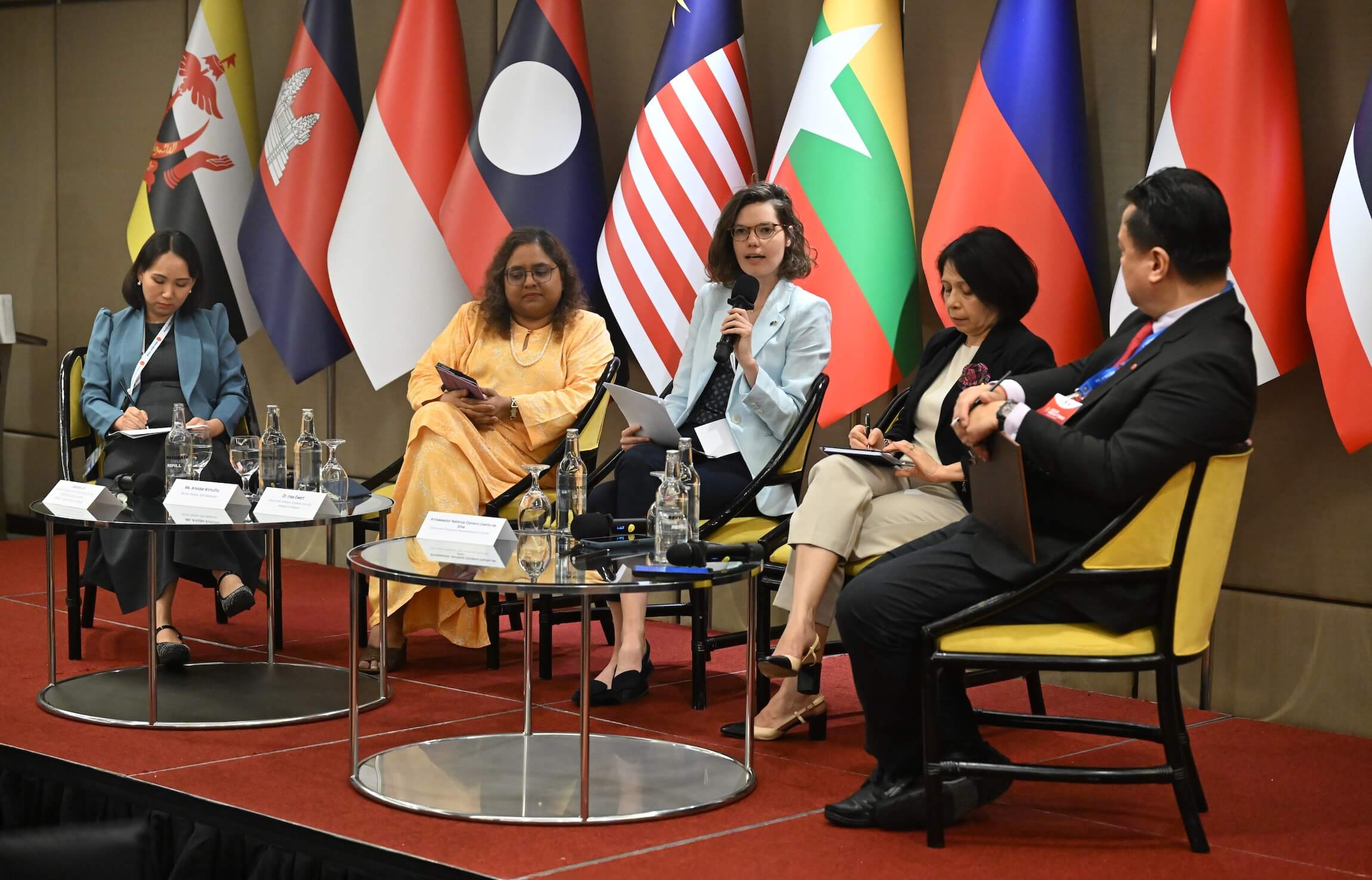
The Director-General observed: “While these accomplishments exemplify ASEAN’s capacity to achieve tangible progress, they also serve as a reminder that our region exists within a broader global context. The international environment is evolving rapidly, becoming increasingly complex and unpredictable. ASEAN must confront this challenging reality with clarity of purpose and vision. As it navigates an uncertain strategic landscape, it must foster a stronger and more unified ASEAN. The organisation should continue to serve as a voice of reason, a guiding light for dialogue and cooperation, and a resilient community dedicated to peace and shared prosperity.” The 9th AMF highlighted the importance of open dialogue, effective communication, and trust-building in formulating policy as ASEAN navigates the prevailing landscape of global political, economic, and social fluctuations and uncertainties. Ambassador Silke Riecken-Daerr of the Federal Republic of Germany in Malaysia underlined that disinformation constitutes a significant global challenge that erodes trust and weakens democratic institutions. The rapid advancement of these threats through Artificial Intelligence (AI) underscored the media’s role in meticulous fact- checking and responsible reporting more than ever. “The AMF exemplifies the importance of communication in unifying individuals. It serves as a reminder that facts, dialogue, and truth are essential. By encouraging responsible journalism, transparent communication, and informed debate, ASEAN and its partners foster trust both domestically and internationally. Disinformation aims to create division; effective communication fosters understanding. Disinformation proliferates in secrecy, whereas dialogue advances through transparency,” she said. As has been customary in previous AMFs, members of the media were afforded the opportunity to engage with the current ASEAN Chair for an in-depth discussion on the milestones achieved throughout the year. The Special Session with the ASEAN Chair reflected on Malaysia’s 2025 priorities, emphasising the preservation of peace, security, and economic resilience through strategic trust. The ASEAN Community Vision 2045 was highlighted as the roadmap for deepening regional centrality and inclusive growth. Malaysia’s Chairmanship successfully positioned the country as a regional hub, spearheading economic initiatives such as the ASEAN Geoeconomic Task Force, the ASEAN Power Grid, and a new Semiconductor Strategy to ensure technological neutrality. Speakers stressed the need to create quality jobs, manage ageing demographics, and strengthen the ASEAN Secretariat and collective identity for a cohesive, people- centric future. During a panel discussion featuring regional business leaders and economic experts, it was reiterated that ASEAN is currently the world’s fastest-growing trade hub. However, the primary challenge faced by the region is effective implementation rather than planning. Experts advocated accelerating initiatives such as the Digital Economy Framework Agreement (DEFA) and underscored the importance of comprehensive, impact-focused monitoring of regional accords. Additionally, they proposed considering a standardised external tariff for key sectors. Geopolitical tensions are catalysing a fundamental shift, compelling multinational corporations to adopt strategies to diversify risk. To capitalise on this trend, proposals have been made to augment intra-ASEAN trade and facilitate continuous investment by stressing human capital development and policy predictability, thereby ensuring the generation of quality employment. Despite prevailing challenges and geopolitical uncertainties, ASEAN continues to prioritise opportunities for sustainable growth. The 9th AMF concluded with a panel discussion centred on ASEAN’s expansion, particularly the admission of Timor-Leste as its 11th member. The discussion affirmed that Timor-Leste’s accession represents a historic political milestone, completing the geographical map of Southeast Asia and reaffirming ASEAN’s dedication to inclusiveness. Nonetheless, the atmosphere rapidly transitioned from celebration to the essential and demanding task of full integration. The membership of Timor-Leste is not solely symbolic; it is founded upon shared responsibility and partnership, necessitating substantial institutional and economic efforts.
Inside The ASEAN Media Forum
Participant Perspectives