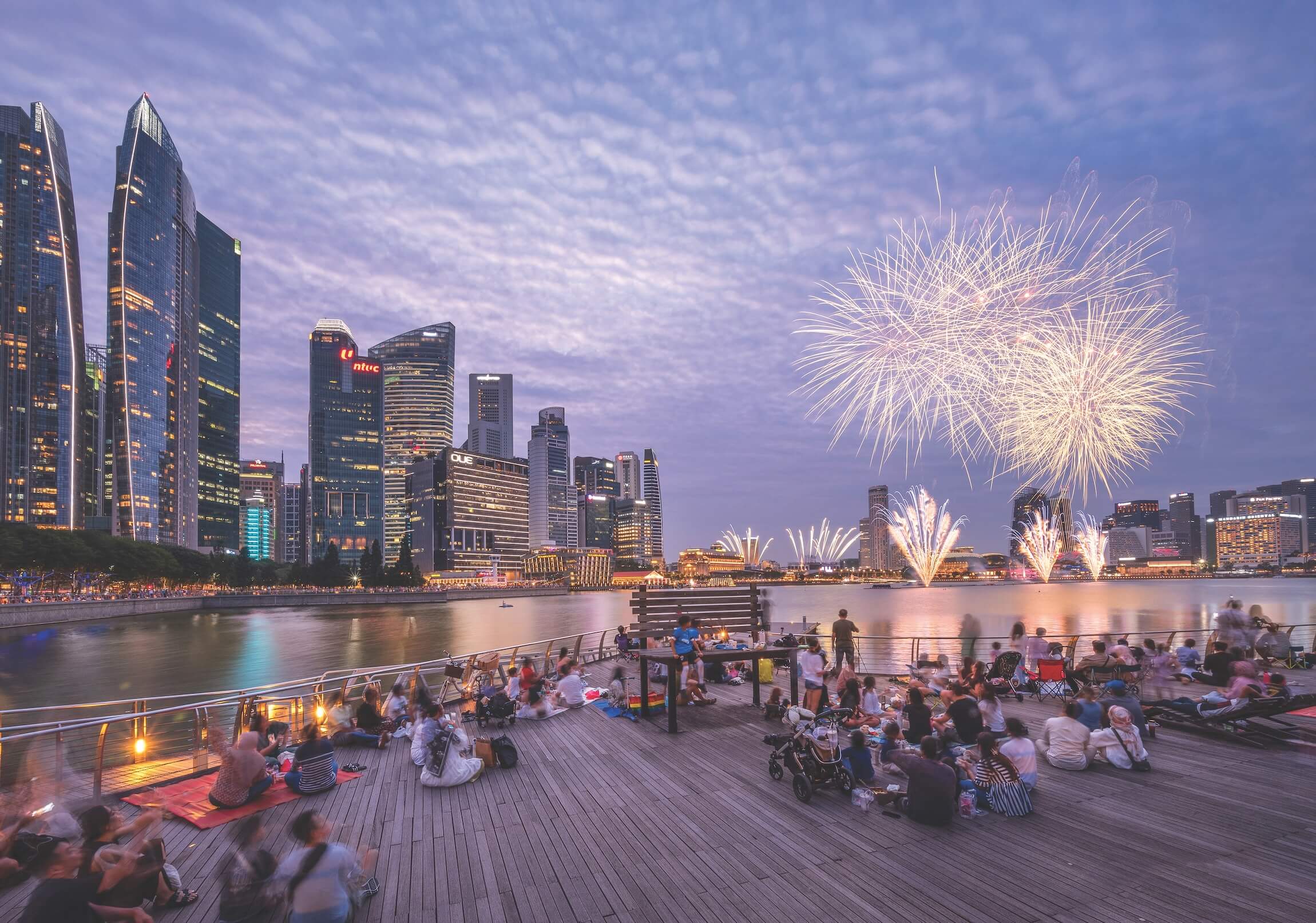

Singapore has unveiled tourism 2040, a bold vision for its tourism sector to become a global hub for innovation and sustainable tourism growth. as part of this vision, the city-state projects tourism receipts to reach between 47 billion and 50 billion Singapore dollars by 2040— 1.7 times the amount achieved in 2024.
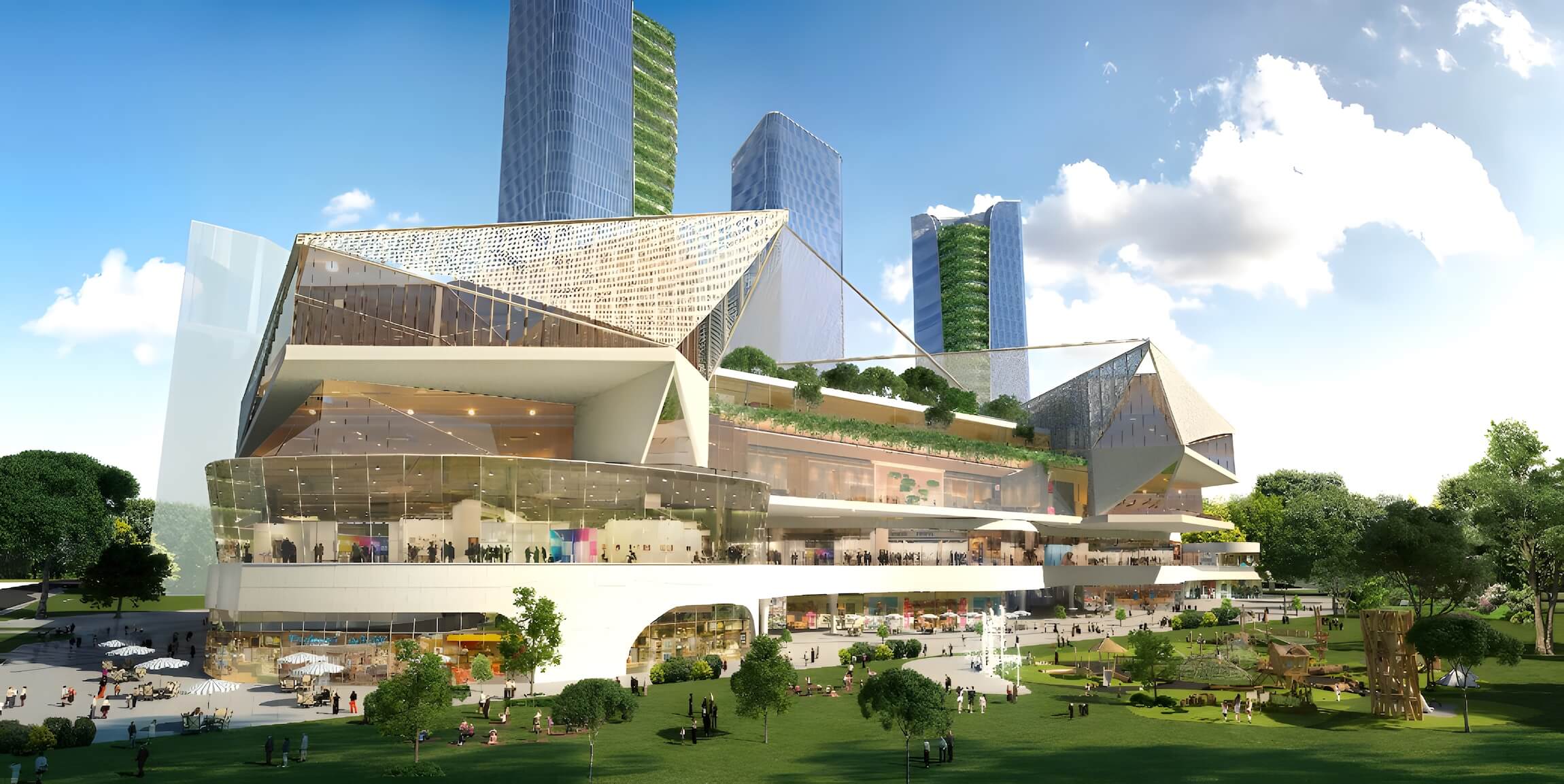
Singapore’s road to Tourism 2040 is built on three key pillars: cultivating future visitor demand, strengthening destination attractiveness, and developing a future-ready tourism sector. At the heart of this approach is Quality Tourism, which is about driving sustainable growth that benefits the economy and local communities while staying responsive to emerging trends and evolving traveller needs. To cultivate future demand, the Meetings, Incentives, Conventions and Exhibitions (MICE) industry has been identified as a key driver of growth. Singapore thus aims to triple MICE tourism receipts by 2040, supported by infrastructure investments that include plans for a new MICE hub to enhance the city’s existing MICE experiences while enriching visitor experience. Singapore’s MICE event pipeline includes significant wins such as a three-year commitment from the Milken Institute Asia Summit to be anchored in Singapore from 2026. Additionally, InnoTrans Asia, the Asian edition of the world’s leading transport technology trade fair, will launch in Singapore in 2027, creating new opportunities for ASEAN’s transport sector stakeholders to collaborate. Singapore continues to develop new tourism products and experiences that meet evolving visitor expectations. New attractions at Mandai, including the Boardwalk, Rainforest Wild Asia, and Mandai Rainforest Resort, which opened in 2025, offer fresh experiences for families and nature lovers, with more developments planned. The expansion of the integrated resorts, Resorts World Sentosa and Marina Bay Sands, will broaden the suite of attractions, dining and entertainment experiences, benefi ting both leisure and business visitors. Prime examples of these are the new Singapore Oceanarium at Resorts World Sentosa, which opens in July this year, three times larger than its predecessor S.E.A. Aquarium, as well as the new luxury tower and entertainment arena at Marina Bay Sands, expected to be completed in 2029. Singapore also aims to attract more world-class sports, lifestyle and music events, to meet growing demand from fans who are keen to travel for sporting and live entertainment events as observed in the American Express 2024 Global Travel Trends Report. Sustainability is woven into the Tourism 2040 roadmap, refl ecting Singapore’s commitment to responsible tourism growth. Singapore’s leadership in sustainable tourism is evidenced by its ranking as 1st in Asia Pacifi c and 7th globally in the 2024 Global Destination Sustainability Index (GDS-Index). Meanwhile, Singapore’s Made in Singapore destination brand campaign continues to evolve in response to changing traveller needs. Anchored on the Passion Made Possible destination brand, Made in Singapore puts a fresh lens on how Singapore transforms everyday ordinary moments into extraordinary experiences. Building on this, Singapore has launched targeted campaigns positioning the city-state as the “World’s Best MICE City” for impactful business events and highlighting its status as a global “Culinary Capital” through its vibrant, diverse, and innovative food scene. Beyond Singapore’s borders, ASEAN nations continue to work together to showcase Southeast Asia’s unique appeal. The region captivates visitors with its distinctive tourism experiences, from pristine beaches and ancient cultural sites to historic landmarks, dynamic urban centres and rich culinary traditions—all of which cater to a wide spectrum of traveller preferences. Southeast Asia holds substantial growth potential to attract both new and returning visitors from within and beyond the region. The expanding middle class across ASEAN nations, with their increasing disposable income, has fuelled a surge in both domestic tourism and intra-regional travel. Singapore’s Changi Airport Terminal 5 will increase passenger capacity by around 50 million annually by the mid-2030s, bringing more travellers to and through the city. This presents an opportunity to support increased travel within Southeast Asia.
Cruise tourism, projected to see steady growth in the decades ahead, presents significant opportunities for regional travel, enabling visitors to explore multiple Southeast Asian destinations in a single cruise sailing. Singapore continues to deepen collaborations with ASEAN Member States in developing Southeast Asia as an attractive cruising region through a variety of initiatives. These include ASEAN engagement sessions to raise awareness of the value of cruise tourism, as well as cruise lines familiarisation trips to showcase Southeast Asia’s diverse cultures and unique destinations as potential new sailing itineraries. Singapore is investing 40 million Singapore dollars to expand the Marina Bay Cruise Centre Singapore, boosting terminal capacity from 7,000 to 11,700 passengers to capture the growing demand for cruise tourism. The industry is also diversifying with compelling cruise concepts such as themed and wellness cruises to meet the ever-changing travel demand. Under the new ASEAN Tourism Sectoral Plan (ATSP) 2026-2030, currently in its finalisation phase, ASEAN countries will intensify efforts to boost intra-regional travel and promote the region as a unified destination for global travellers through digital and social marketing platforms. This strategic approach balances tourism growth with sustainable practices to safeguard the environmental and cultural integrity of Southeast Asia’s tourism assets. To achieve this vision, ASEAN countries are enhancing both physical and digital connectivity throughout Southeast Asia, making regional travel more accessible and appealing. The liberalisation of air travel policies within ASEAN is expected to stimulate tourism growth by reducing barriers and fostering airline competition. Moreover, the implementation of electronic visas and streamlined visa procedures across Member States will facilitate seamless movement for both leisure and business travellers throughout the region. Singapore is confi dent that Southeast Asian tourism will maintain its upward trajectory, with projected increases in tourism revenue set to contribute significantly to ASEAN’s economic growth.