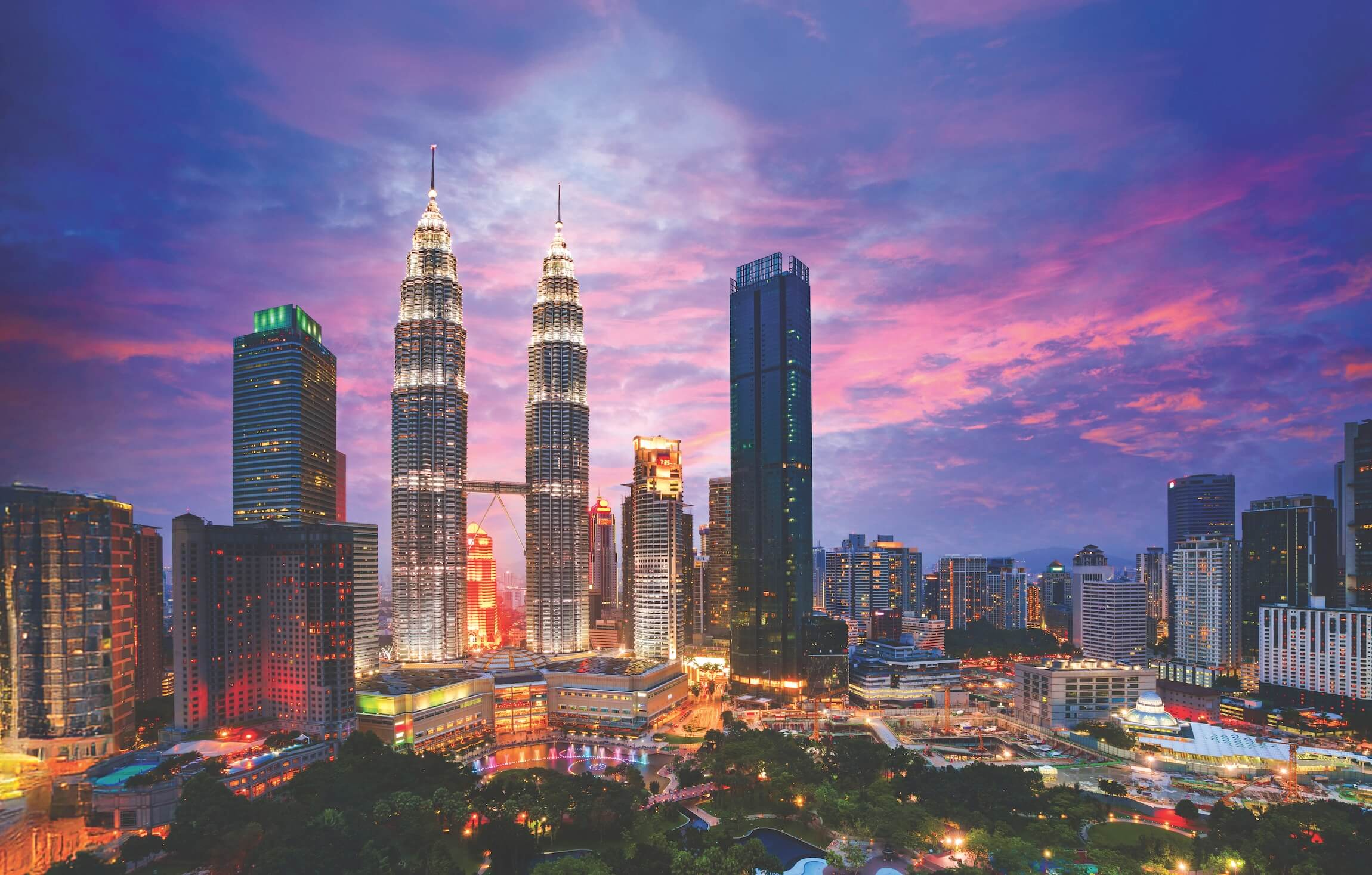

Malaysia stands out as a beacon of resilience and transformation in the evolving global tourism landscape. With travellers increasingly seeking meaningful, sustainable, and immersive experiences, the country has responded with a bold reimagining of its tourism sector. Emphasising sustainability, inclusivity, and innovation, Malaysia is positioning itself as a premier destination that is culturally rich, environmentally conscious, and attuned to the expectations of today’s global travellers. Strengthened by regional collaboration within ASEAN, the nation is charting a course towards long-term growth that benefi ts both visitors and local communities.
In this new era of travel, tourists are seeking journeys that are more purposeful, safe, and experience-driven. Malaysia has met this demand by diversifying its offerings to include eco-conscious, nature-based, wellness, and cultural tourism. From tranquil rural homestays and immersive heritage trails to wellness retreats and adventure escapes, the country is spotlighting lesser-known destinations to distribute tourist traffic more evenly and enhance visitor satisfaction. This approach supports balanced economic development across states and regions and contributes to Malaysia’s broader socio-economic goals, including poverty alleviation.
Accelerated digital transformation has also played a pivotal role in Malaysia’s tourism resurgence. From immersive virtual tours to integrated booking platforms, the country has embraced smart tourism technologies that elevate the visitor experience while enabling communities and small businesses— particularly in rural and semi-urban areas—to access wider markets. These innovations have enhanced operational efficiency and inclusivity, empowering local operators to compete and thrive in an increasingly digital world.
Malaysia continues to strengthen the governance and ecosystem of its tourism industry through amendments to the Tourism Industry Act 1992, as well as by providing targeted incentives, capacity-building initiatives, and green tourism grants. These measures encourage small businesses to innovate and adopt sustainable practices, cultivating an environment that fosters long-term resilience and economic empowerment at the community level.
Medical and wellness tourism remain key growth areas. Malaysia is a leading destination for medical tourism in ASEAN, offering high-quality, affordable healthcare services to international patients. Wellness tourism, in particular, has seen strong demand, with travellers seeking integrated packages that combine traditional healing, spa therapies, and nature retreats—all aimed at restoring balance and vitality.
At the heart of Malaysia’s tourism recovery and growth is its flagship campaign, Visit Malaysia 2026 (VM2026). Anchored on five strategic pillars—sustainable tourism, cultural and heritage preservation, nature and adventure, digital innovation, and global connectivity—VM2026 reflects Malaysia’s aspiration to build a high-value, inclusive, and future-ready tourism economy. The campaign aims to deliver meaningful experiences for visitors while generating long-term benefits for local communities.
To boost tourist arrivals, Malaysia has extended visa-free travel for citizens of China and India until 2026—a move that has already yielded positive results. Meanwhile, the expansion of international flight routes, improved air connectivity, and upgraded infrastructure—including transport, signage, and green tourism facilities— have enhanced both accessibility and visitor satisfaction. Marketing campaigns for VM2026 are actively targeting key markets, including ASEAN, East Asia, Europe, and the Middle East, positioning Malaysia as a diverse, safe, and enriching destination.
A central pillar of Malaysia’s tourism strategy is community-based tourism, which places local communities at the heart of the visitor experience. The Homestay Programme exemplifies this model by offering guests authentic stays in rural villages, where culture, tradition, lifestyle, and wellness converge into memorable experiences. Travellers engage with host families, participate in local customs, savour traditional cuisine, and take part in everyday activities such as farming, cooking, and artisanal crafts. These culturally immersive experiences deepen understanding and preserve Malaysia’s rich heritage.
Beyond its cultural and experiential value, the Homestay Programme is a catalyst for local economic development. It supports cooperatives and micro, small, and medium enterprises (MSMEs), generating ripple effects throughout rural economies. From food producers and craft makers to transport providers and wellness practitioners, a wide network of local actors benefit from increased tourist demand. Many homestay operators themselves are MSMEs, supported through training, capacity building, and access to markets. By integrating local products and services into the tourism value chain, the programme encourages entrepreneurship, fosters innovation, and strengthens community resilience.

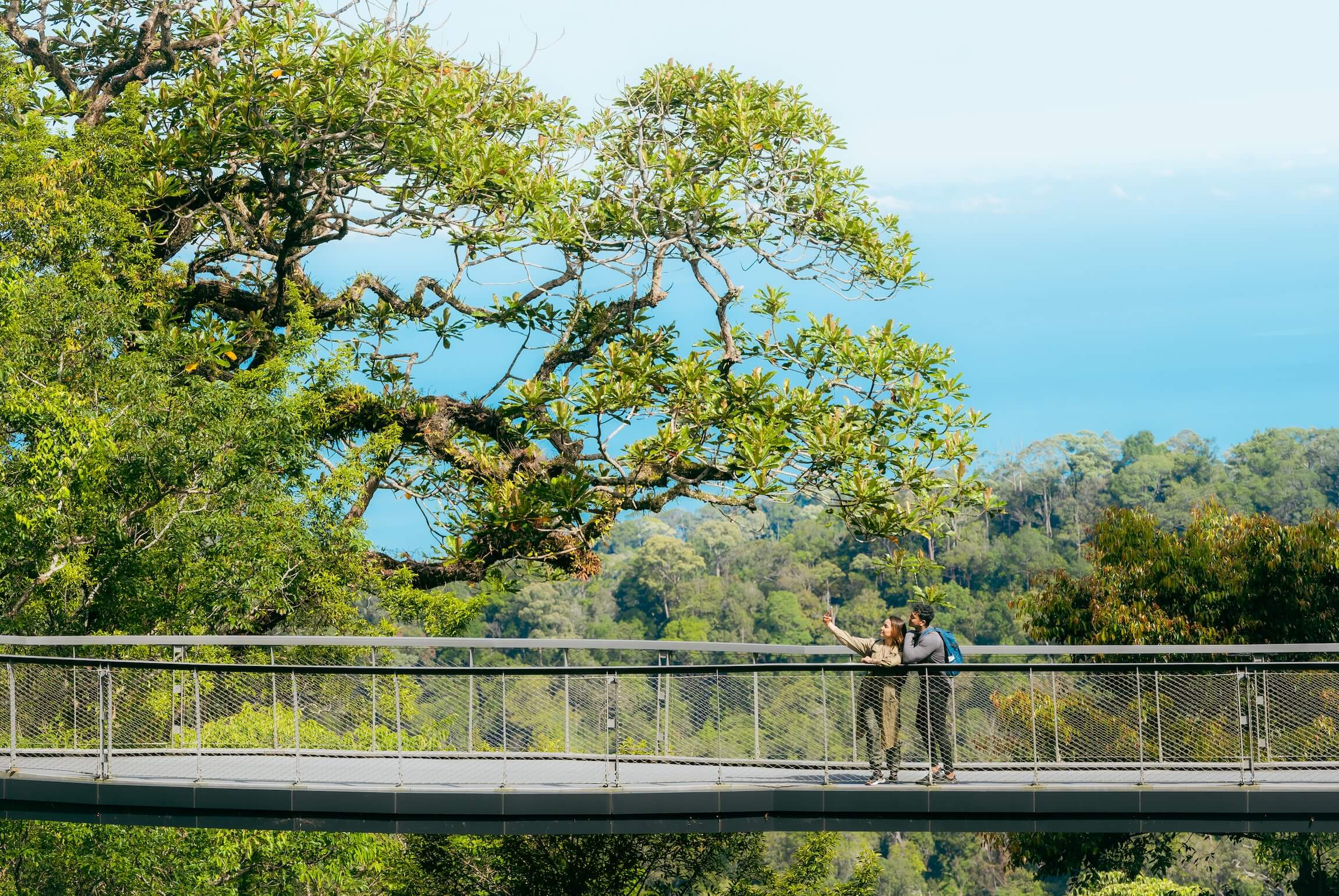

Malaysia is also committed to strengthening intra-ASEAN travel and positioning the region as a unifi ed, attractive tourism destination. As Chair of ASEAN in 2025, Malaysia hosted the ASEAN Tourism Forum (ATF) in Johor Bahru, where member states reaffi rmed their commitment to regional collaboration in tourism recovery and growth. Malaysia actively supports regional initiatives such as the ASEAN Common Visa, the ASEAN Single Aviation Market (ASAM), and cross- border digital integration—all designed to enhance the ease of travel for both international and ASEAN visitors. Malaysia’s engagement in sub-regional frameworks, such as the Indonesia- Malaysia-Thailand Growth Triangle (IMT-GT) and the Brunei-Indonesia-Malaysia-Philippines East ASEAN Growth Area (BIMP-EAGA), further demonstrates its regional leadership. These partnerships focus on cross-border tourism, infrastructure development, and joint marketing campaigns. Multi-country tourism products such as self-drive routes, geopark and eco-tourism trails, and cruise packages are being developed to appeal to a broader international audience. In conclusion, Malaysia’s tourism resurgence is not merely a return to its former strength—it represents a leap forward into a smarter, more inclusive, and sustainable future. By embracing innovation, celebrating cultural authenticity, integrating digital transformation, and fostering regional cooperation, Malaysia is redefining its tourism narrative. As Southeast Asia grows into a cohesive and competitive tourism bloc, Malaysia is ready to lead with confidence, creativity, and a steadfast commitment to shared prosperity.