Interview: Secretary-General of ASEAN, Dr. Kao Kim Hourn, on the ASEAN Commeration of the 20th Anniversary of the Indian Ocean Tsunami

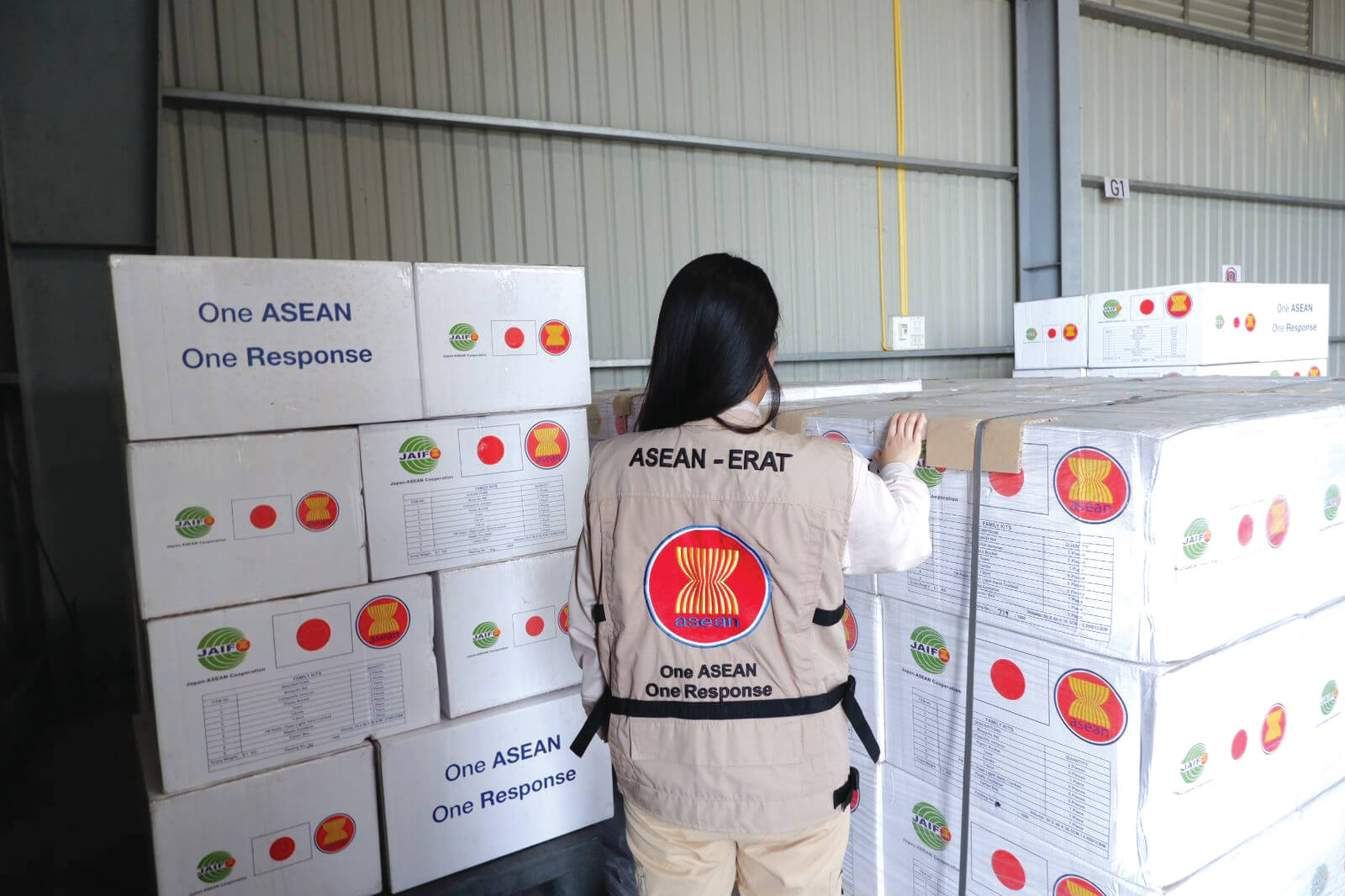
Many disasters may be inevitable as the forces of nature are increasingly becoming unpredictable and destructive. However, their adverse impacts can be reduced through effective collaboration, preparedness, and response. The value of such cooperation cannot be overstated. ASEAN, a region vulnerable to various natural and human-induced disasters, has been working with various partners to enhance … From Response to Resilience: ASEAN-Japan Cooperation in Disaster Management
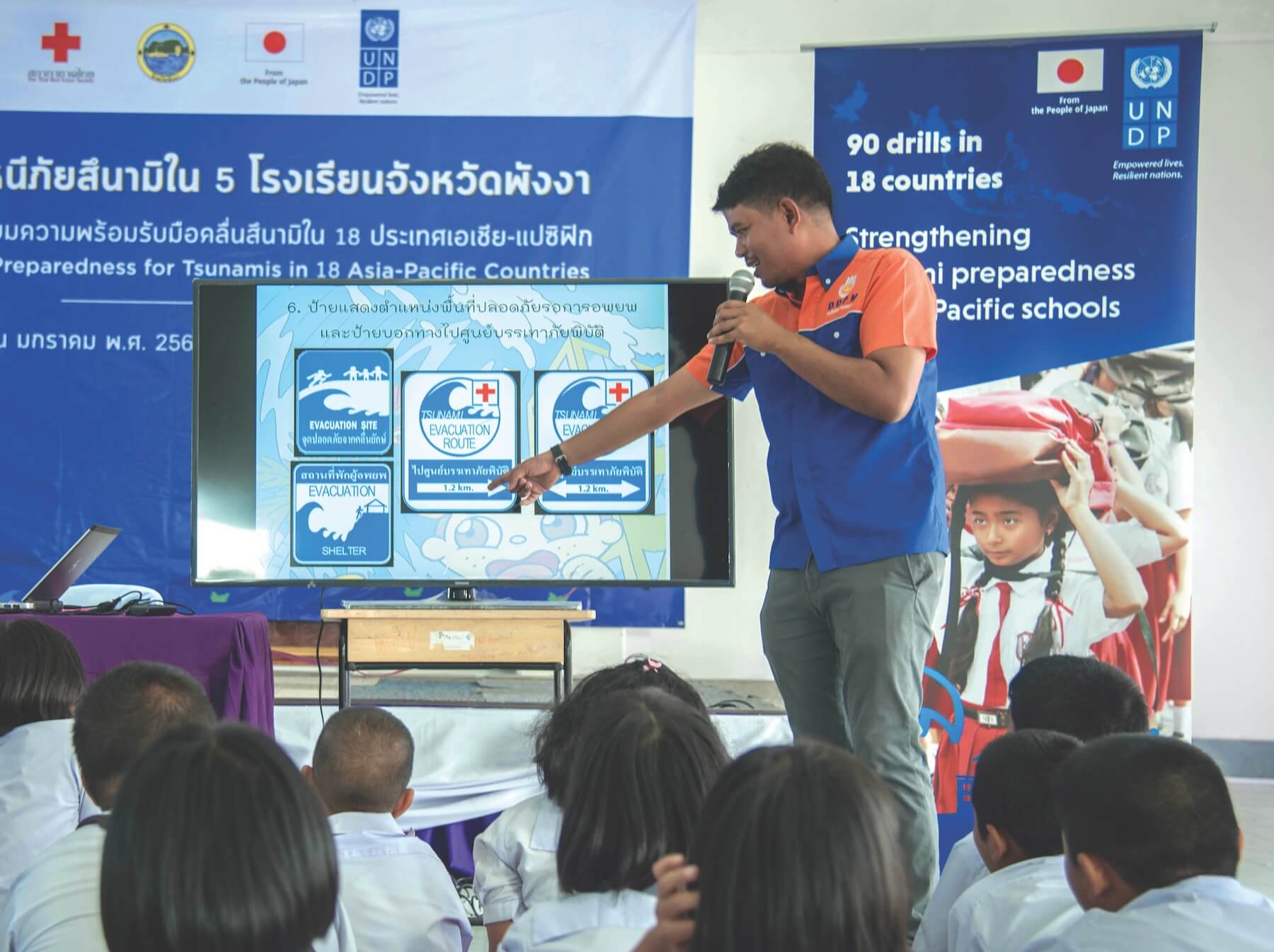
The silent story of global solidarity A Japanese proverb says, “A disaster happens when the last one is forgotten.” No other disaster event in the region has offered as much experience and knowledge as the Indian Ocean Tsunami of 2004.

The ASEAN region is highly vulnerable to the impacts of climate change. According to the ASEAN State of Climate Change Report (2021), the ASEAN region faces escalating consequences of climate change, including rising temperatures, more frequent extreme weather events, and rising sea levels.
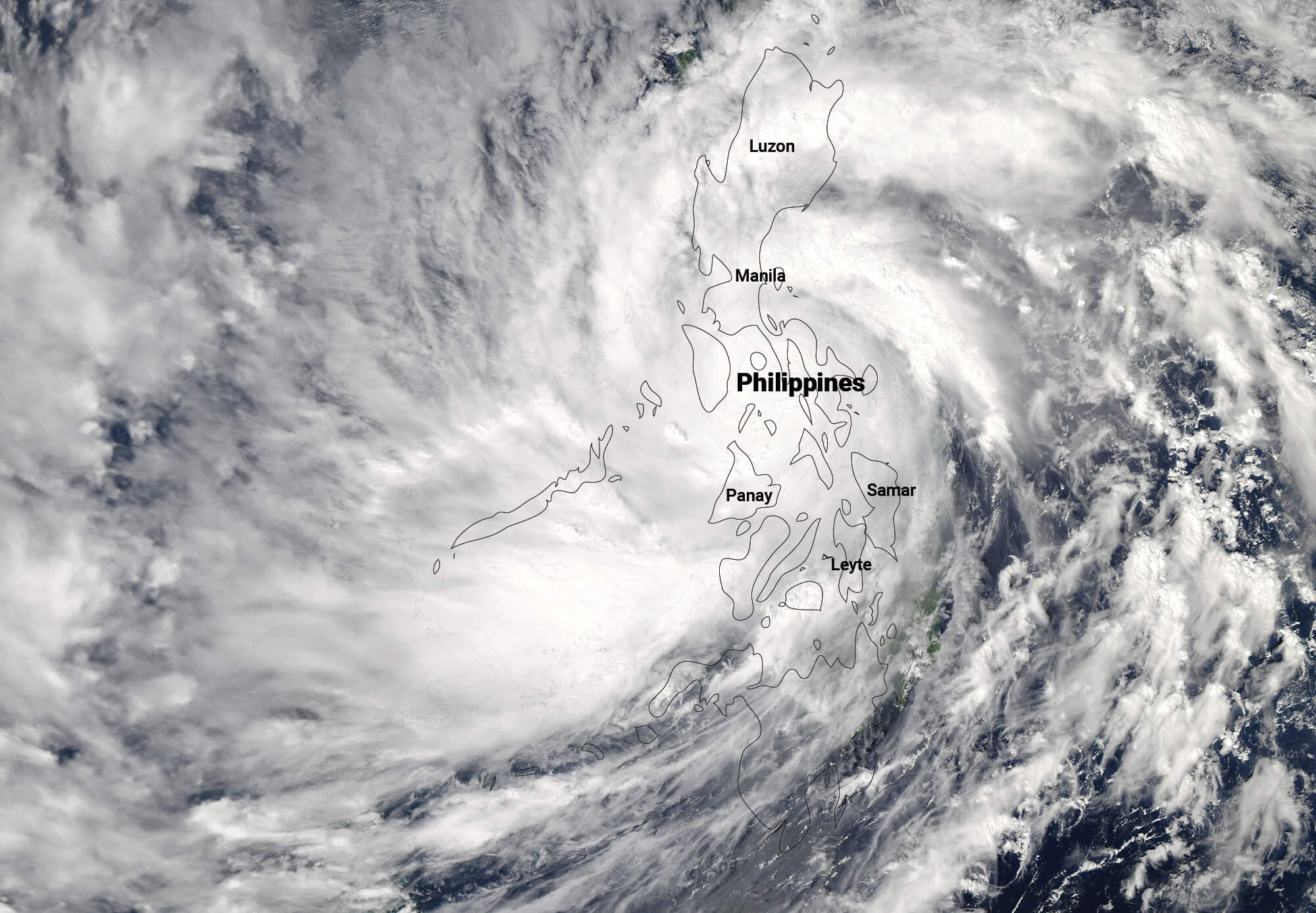
The Haiyan disaster Ten years ago, on 8 November 2013, Supertyphoon Haiyan (local name Yolanda) barreled through the central region of the Philippines. The cyclone was one of the most powerful to make landfall in recorded history, killing thousands and leaving communities in ruins. Storm surges were primarily responsible for the 6,300 dead, 1,062 missing, … Heeding the Lessons of Super Typhoon Haiyan: Why Science Matters
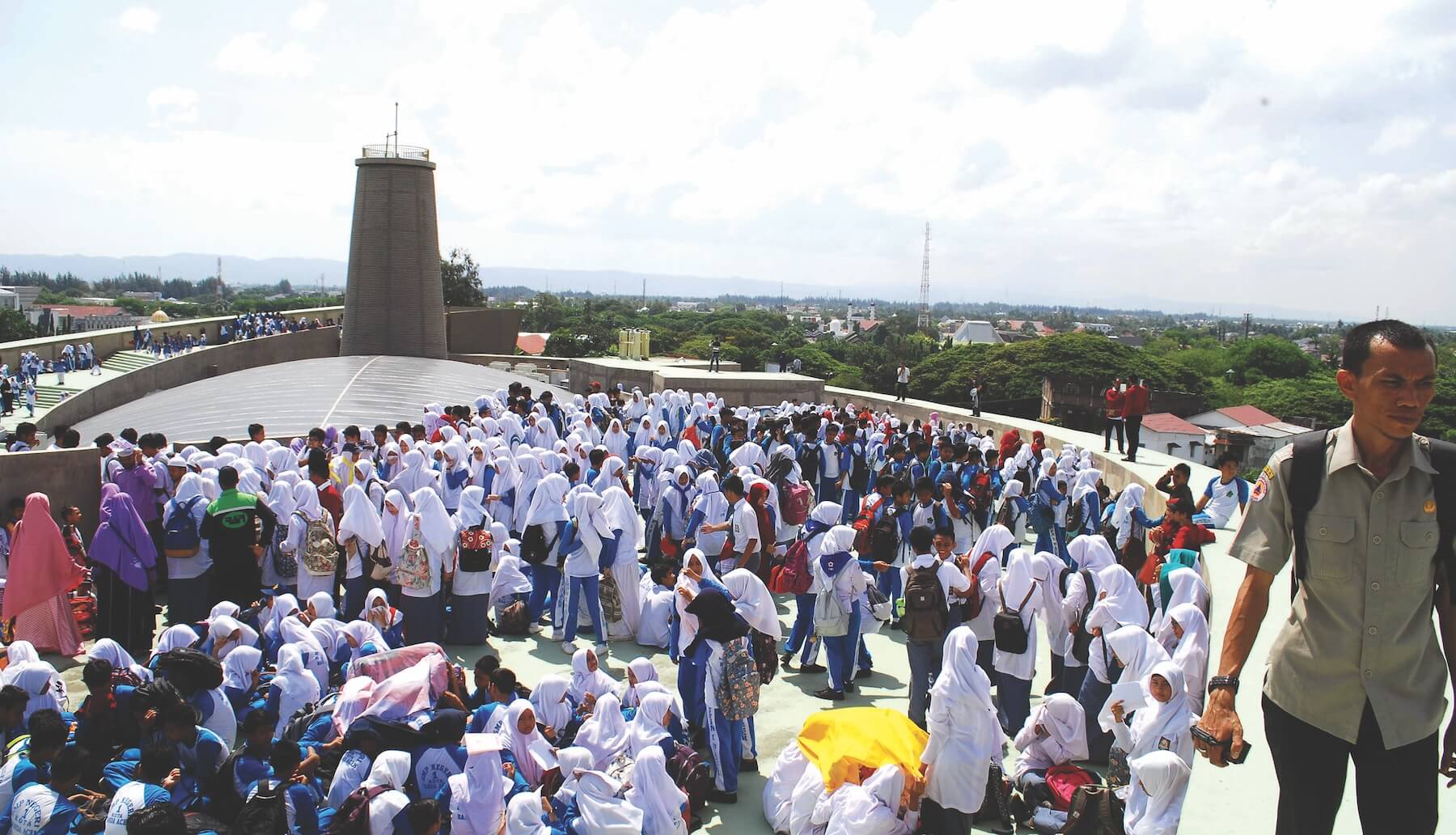
At the 20th anniversary of the Indian Ocean Tsunami commemoration event in Jakarta, Nelly Florida Riama, PhD, presented the remarks from the Head of Indonesia Agency for Meteorology, Climatology, and Geophysics (BMKG), Prof. Dwikorita Karnawati. BMKG highlights the critical lessons from the past two decades, emphasising the importance of systematic observation, innovation, data sharing, and … Indonesia’s Early Warning System

It has been two decades since the Indian Ocean earthquake and tsunami, but the progress made in disaster resilience and the profound lessons learned have endured. The unprecedented disaster led to marked improvements in disaster risk reduction and management systems, policies, and institutions in the most affected countries. It served as a wake-up call to … 2004 Indian Ocean Tsunami: A Turning Point in Disaster Resilience
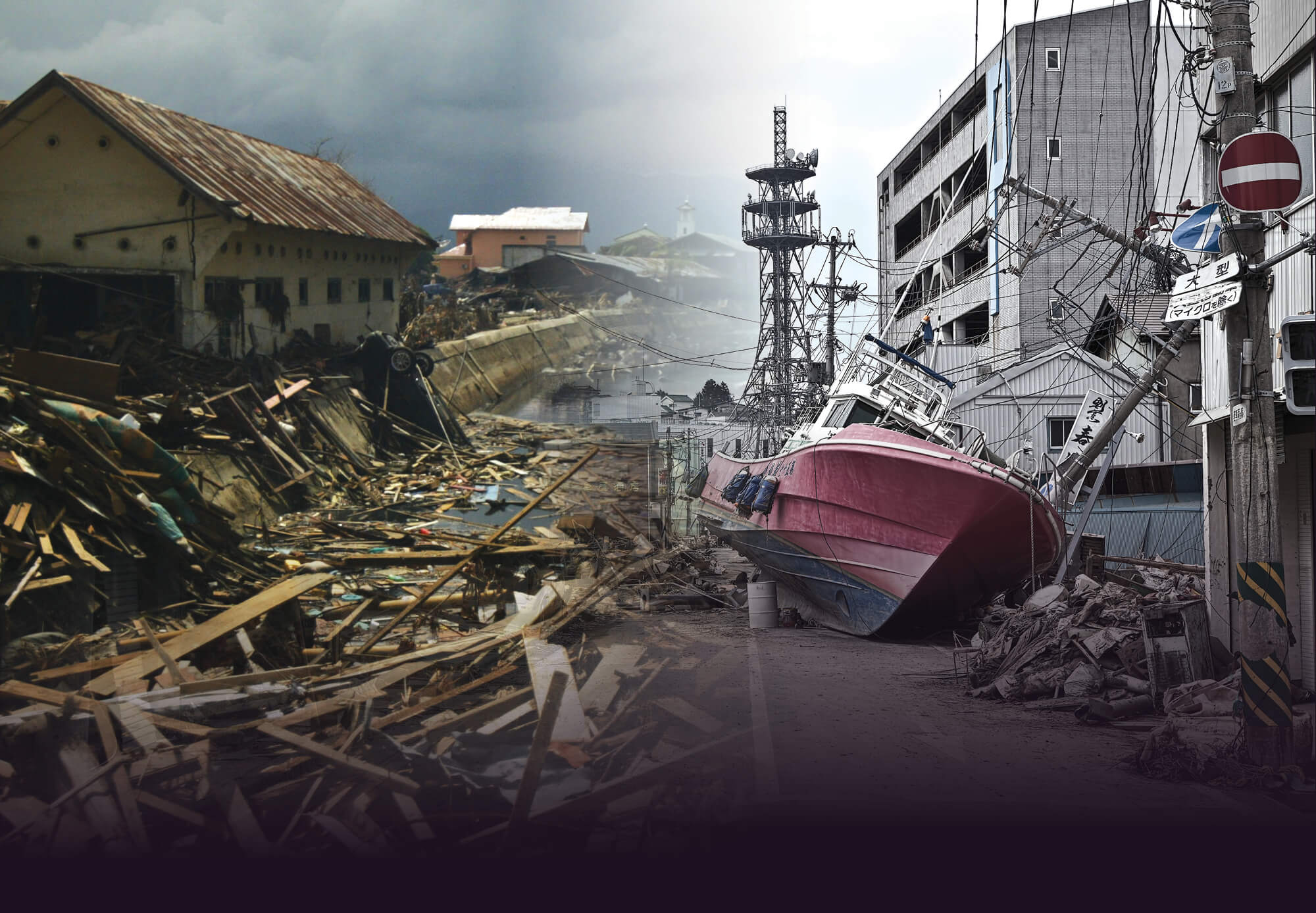
I first visited Aceh in early 2005 while working at the United Nations (UN) Office for the Coordination of Humanitarian Affairs in Kobe. I was shocked by the sight of the entire landscape, buildings, and houses swept away by the tsunami. It was even more heartbreaking to witness the traces of people’s lives, knowing that … Reflections on Two Disasters: The Need for an All-Hazards Approach to Disaster Risk Reduction